Thai Sunrise Philodendron – Rare
Original price was: ₹3,500.00.₹899.00Current price is: ₹899.00.
2 in stock
Size: Single plants | Pot included | FreeShipping
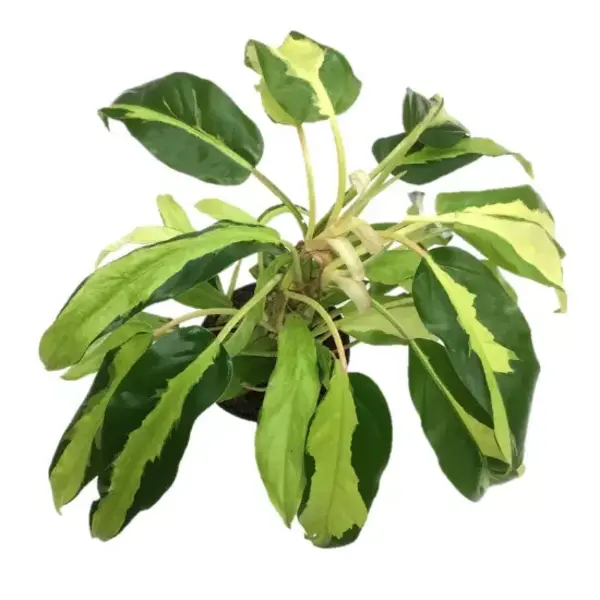
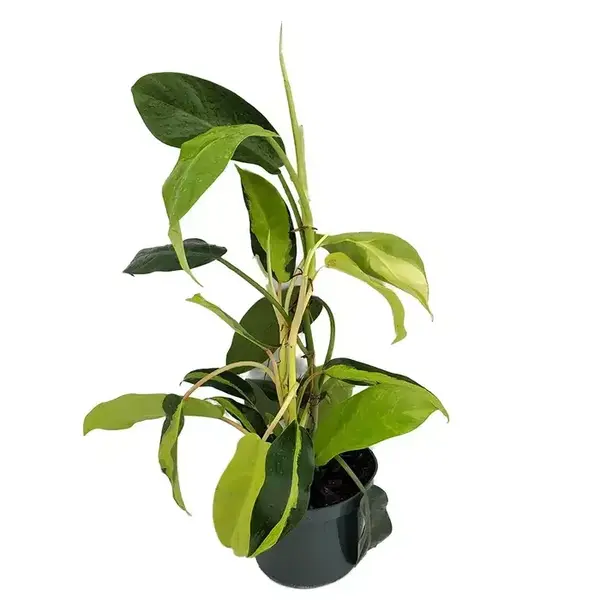
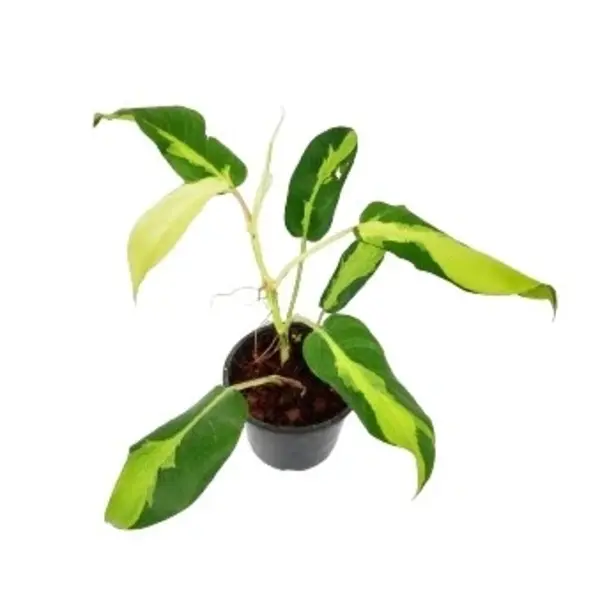
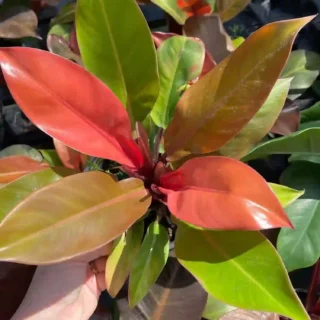
Thai Sunrise Philodendron – Rare is a stunning variegated hybrid known for its elongated leaves painted with bright golden-yellow centers and deep green margins. Its bold colour contrast and upright growth habit make it one of the most attractive and collectible Philodendrons among plant enthusiasts. Although rare, it is surprisingly easy to care for when its needs are understood. Here is a complete 600-word care guide to help your Thai Sunrise thrive beautifully.

Thai Sunrise Philodendron – Rare Plant Care Guide :
Light Requirements
Thai Sunrise Philodendron needs bright, indirect light to maintain its vibrant yellow variegation. Without sufficient light, the yellow tones fade into pale green, and the plant may become leggy. Place it near a bright window with filtered light or use sheer curtains to soften direct sun. Avoid harsh afternoon sunlight, as it can scorch the leaves, causing brown burns or crisp edges.
If kept outdoors, place it under 50–60% shade or in a spot that receives dappled sunlight. Grow lights are also very effective for this plant, especially during monsoon and winter months when natural light is low.
Watering Needs
Thai Sunrise prefers moist but well-drained soil. Water when the top 25–30% of the soil feels dry. Overwatering is the biggest danger—too much moisture leads to root rot, yellowing leaves, and fungal issues. Always use a pot with drainage holes, and avoid leaving standing water in trays or cachepots.
During summer, the plant may require more frequent watering due to increased evaporation. In winter and the rainy season, reduce watering to prevent waterlogged soil. When in doubt, allow the topsoil to dry a bit more, as Philodendrons tolerate slight dryness better than excess water.
Humidity & Temperature
As a tropical plant, Thai Sunrise loves high humidity between 60–80%. High humidity keeps the leaves plump, prevents crisping, and enhances variegation. Use a humidifier, pebble tray, or group your plants together to increase moisture naturally.
Maintain temperatures between 18–32°C. The plant does not tolerate cold drafts, direct AC airflow, or temperatures below 15°C. Stable warmth and humidity help the plant grow faster and retain its vivid colours.

Soil Requirements
Thai Sunrise thrives in a loose, airy, and fast-draining soil mix. A suitable blend includes:
-
40% cocopeat or peat moss
-
20% perlite or pumice
-
20% orchid bark or coco chips
-
10% compost
-
10% charcoal
This blend ensures oxygen flow around the roots while preventing excess moisture buildup. Avoid heavy garden soil or clay-rich mixes, as they compact easily and cause root damage.
Fertilizer Needs
Feed your Thai Sunrise every 4–5 weeks during the growing season (spring to early autumn). Use a balanced liquid fertilizer (NPK 10-10-10, 20-20-20, or 14-14-14) diluted to half strength. This helps maintain strong variegation and steady growth.
Organic options like seaweed extract, fish emulsion, or vermicompost tea are excellent gentle alternatives. Avoid fertilizing during winter or when the plant is dormant. Overfeeding may cause leaf burn or salt accumulation in the soil.
Support & Training
Thai Sunrise is a semi-climbing Philodendron. Providing a moss pole or coco pole helps it grow larger leaves with stronger variegation. Without support, the plant may grow outward and the leaf size may stay smaller. Ensure the pole remains moist to encourage aerial roots to attach.
Pruning & Maintenance
Prune away yellowing, damaged, or old leaves to maintain the plant’s shape and improve airflow. Regular pruning also encourages branching and fuller growth. Wipe the leaves occasionally with a damp cloth to remove dust and help the plant absorb more light.
Rotate the pot every 10–14 days to ensure even growth, as the plant naturally leans toward the light source.
Propagation
Propagation is simple through node cuttings.
-
Select a healthy stem with at least one node and an aerial root.
-
Cut below the node and let the cutting dry for 30–60 minutes.
-
Place the cutting in water or a well-draining soil mix.
Roots develop within 2–4 weeks. Keep the new plant in warm, bright, indirect light for best results.

Common Problems & Solutions
-
Leaves turning pale green: Not enough light. Shift to a brighter spot.
-
Yellowing leaves: Overwatering. Improve drainage and adjust the schedule.
-
Brown leaf edges: Low humidity or excessive direct sunlight. Increase humidity.
-
Pests like mealybugs or mites: Treat with neem oil or insecticidal soap weekly until resolved.
Conclusion
Philodendron Thai Sunrise is a rare, eye-catching plant that rewards proper care with vibrant golden foliage and elegant growth. With bright indirect light, high humidity, airy soil, and consistent warmth, this rare Philodendron becomes a spectacular centrepiece in any indoor plant collection.
Only logged in customers who have purchased this product may leave a review.
Related products
-
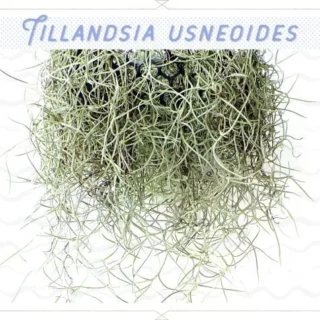
Spanish Moss Air Plant
Price range: ₹49.00 through ₹525.00Select options This product has multiple variants. The options may be chosen on the product pageSelling size: PLEASE CHOOSE Spanish Moss Air Plant – CARE INSTRUCTIONS Scientific name: Tillandsia usneoides Synonyms: Old man’s beard, Spanish Moss, French Hair, Spanish Beard Spanish Moss is a delicate silvery-grey air plant that is often used to hang in trees or as a gorgeous decor piece without the need for soil. Despite its name, Spanish Moss …
-
Dischidia Ruscifolia (Million Hearts)
Original price was: ₹695.00.₹375.00Current price is: ₹375.00.Add to cartPlant Size: Single plant | 2.5″ Pot Included | Free Shipping The Dischidia ruscifolia, commonly known as the Million Hearts plant, is a delightful and easy-to-care-for trailing epiphyte. Its name comes from the abundance of small, heart-shaped leaves that densely cover its slender stems. As a member of the same family as Hoyas, its …
-
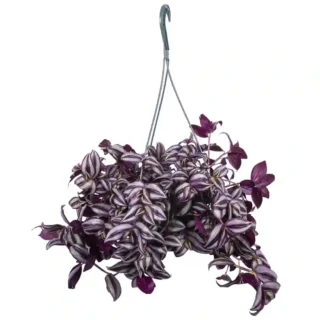
Wandering Jew Plant
Original price was: ₹305.00.₹149.00Current price is: ₹149.00.Add to cartSelling size: This plant comes in a 2.5″ Square pot The Wandering Jew Plant, also known as the Tradescantia! They’re such vibrant and easy-to-love plants. To keep yours thriving, here’s a rundown of Wandering Jew Plant care needs: Light: They absolutely love bright, indirect sunlight. Think of a spot near an east- or west-facing window …
-
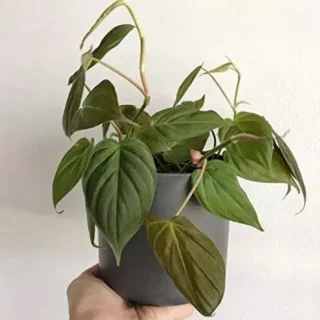
Philodendron Mican plant
Original price was: ₹650.00.₹99.00Current price is: ₹99.00.Add to cartSelling size: A well rooted plant | 2.5″ Pot Included The Philodendron Micans (Philodendron hederaceum ‘Micans’), also known as the Velvet-Leaf Philodendron, is a popular, easy-care trailing or climbing houseplant prized for its unique, velvety, heart-shaped leaves that emerge a beautiful chartreuse/pink and mature to a deep, iridescent, bronze-green with hints of purple. Here is …
-
Philodendron ‘Prince of Orange’
Price range: ₹249.00 through ₹620.00Select options This product has multiple variants. The options may be chosen on the product pageSelling Size : Single Plant | Pot Included | Secure Packing The Philodendron ‘Prince of Orange’ is a stunning and popular hybrid known for its vibrant, ever-changing leaf colors. New leaves emerge as a brilliant orange or coppery color, and as they mature, they transition to a lime green, then a deep, glossy green. It …
-

Calathiya Rattlesnake Plant
Select options This product has multiple variants. The options may be chosen on the product pageSelling size: Please Choose | Secure Packing | 2.5″-4″ Pot Included Calathiya rattlesnake is a plant easy to care for. However, there are a few measures and precautions you need to take to grow and maintain yours. Here’s a comprehensive guide for rattlesnake plant : Light Calathea Lancifolia prefers bright, indirect light. Like most variegated …
-
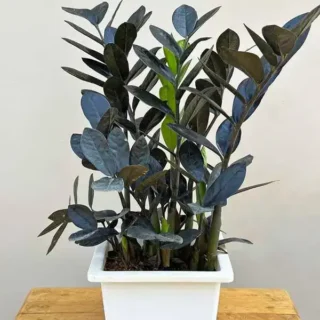
Black zz plant, Raven ZZ Plant
Select options This product has multiple variants. The options may be chosen on the product pageSelling size: Please Choose (Single – Bushy) | 2.5″-5” Pot Included | Secure Packing The Black ZZ Plant, or Raven ZZ Plant (Zamioculcas zamiifolia ‘Raven’), is a popular, exceptionally resilient houseplant known for its striking, nearly black foliage. It shares the easy-care nature of the standard green ZZ plant, making it perfect for beginners or …
-
Philodendron Xanadu
Original price was: ₹450.00.₹199.00Current price is: ₹199.00.Add to cartSelling size:Well rooted plant | 2.5″ Pot Included | Secure Packing The Philodendron Xanadu, now officially classified as Thaumatophyllum xanadu, is a fantastic and relatively easy-to-care-for houseplant. It’s known for its compact, bushy growth habit and deeply lobed, glossy green leaves that give it a sophisticated, tropical look. Here is a complete guide to caring …

 If you need any assistance, I'm always here. Have you found what you were looking for?
Reviews
There are no reviews yet.