
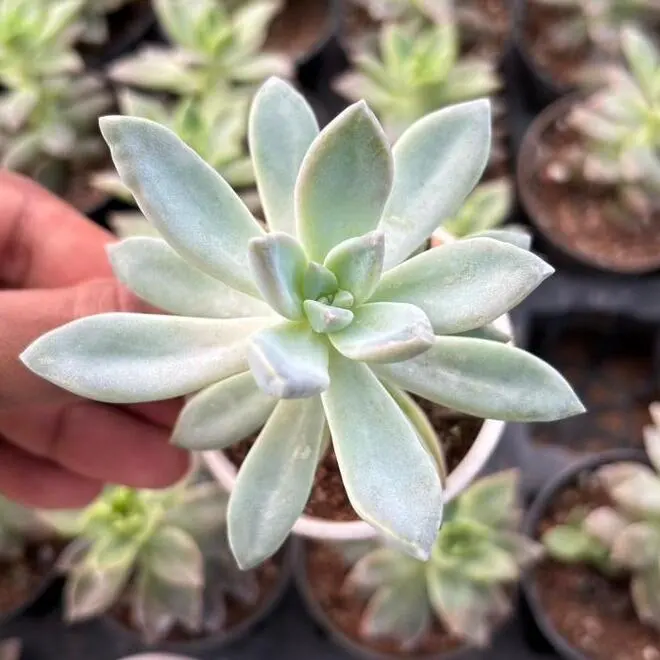
Sedeveria Starburst
Original price was: ₹399.00.₹149.00Current price is: ₹149.00.
19 in stock
Sedeveria Starburst is a popular and relatively low-maintenance succulent hybrid, a cross between Sedum and Echeveria species. It’s known for its attractive rosette shape and vibrant green leaves often tipped with rosy hues.
Here’s a guide to Sedeveria Starbursts care:
1. Light:
- Bright, indirect light is ideal. Sedeveria ‘Starburst’ thrives with ample light to maintain its vibrant colors and compact growth.
- Full sun: It can tolerate full sun, especially morning sun, but in hotter climates or during intense summer afternoons, partial shade is recommended to prevent sunburn and stress.
- Insufficient light: If it doesn’t get enough light, the plant may become leggy (stretched out), its colors will fade, and it will be more susceptible to disease.
2. Watering:
- Drought-tolerant: Like most succulents, ‘Starburst’ is very drought-tolerant and susceptible to overwatering.
- Allow soil to dry completely: The most crucial rule is to let the soil dry out thoroughly between waterings. This could mean watering every 3 weeks, depending on your climate and the potting mix.
- Deep watering: When you do water, water deeply until water drains from the bottom of the pot. Ensure no standing water remains.
- Reduce watering in winter: During its dormant period in winter, reduce watering significantly.
3. Soil:
- Well-draining is key: This is paramount for preventing root rot.
- Succulent/cactus mix: Use a specialized succulent or cactus potting mix.
- Add grit: To enhance drainage, you can amend your potting mix with additional perlite, pumice, or coarse sand (at least 50% grit). Avoid heavy, moisture-retentive soils.
4. Temperature:
- Tolerant of a range: Sedeveria ‘Starburst’ is quite resilient to temperature fluctuations. It can tolerate temperatures from around to (about to ).
- Protect from extreme cold: While it can handle some cold, it’s best to protect it from freezing temperatures, especially if prolonged. Move potted plants indoors or provide frost protection for outdoor plants.
- Protect from extreme heat: During very hot summers, especially with intense direct sun, providing some afternoon shade can prevent wilting or sunburn.
5. Fertilizer:
- Minimal feeding: Succulents don’t require heavy fertilization.
- During growing season: You can feed with a balanced liquid fertilizer diluted to half strength every 2-4 weeks during its active growing season (spring and summer). Avoid fertilizing in fall and winter.
6. Propagation:
- Easy to propagate: Sedeveria ‘Starburst’ is relatively easy to propagate from leaves and stem cuttings.
- Leaf propagation: Gently twist a healthy leaf from the stem. Allow the leaf to “callous over” (dry and form a scab) for a few days before placing it on top of well-draining soil. Roots and new plantlets will eventually form.
- Stem cuttings: Take a cutting from the stem, remove the lower leaves, allow the cutting to callous for a few days, and then plant it in well-draining soil.
7. Pests and Diseases:
- Overwatering is the biggest threat: The most common issue is root rot due to overwatering.
- Pests: Keep an eye out for common succulent pests like aphids and mealybugs. If you spot them, treat them with an appropriate insecticide or a solution of rubbing alcohol. Caterpillars, snails, and slugs can also cause damage, especially outdoors.
8. General Tips:
- Air circulation: Good air circulation helps prevent fungal issues.
- Potting: Use pots with drainage holes to ensure excess water can escape.
- Non-toxic: Sedeveria ‘Starburst’ is generally considered non-toxic to pets and humans, though it’s not recommended for consumption.
By providing these basic care conditions, your Sedeveria Starburst should thrive and bring beautiful succulent charm to your collection.
| Color | |
|---|---|
| Colour | |
| Price | |
| Type |
Only logged in customers who have purchased this product may leave a review.
Related products
-
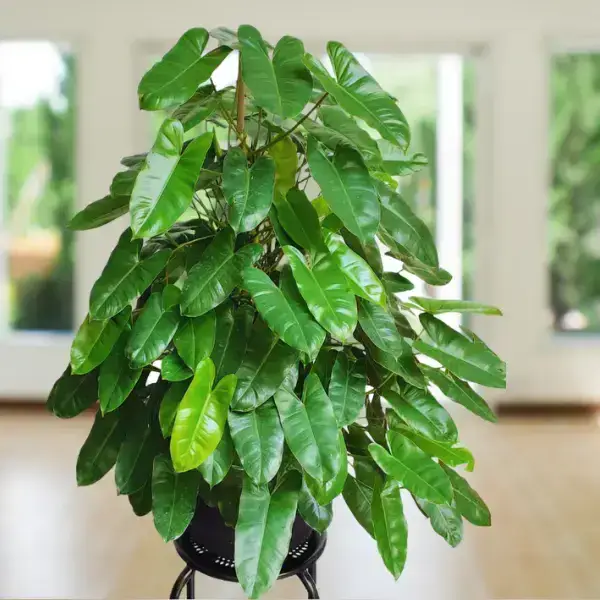
Philodendron Burle Marx Plant
Original price was: ₹485.00.₹149.00Current price is: ₹149.00.Add to cartSelling size: Single plant | Pot Included | Secure Packing The Philodendron Burle Marx is a fantastic and relatively easy-to-care-for plant, known for its glossy, spade-shaped leaves and dense, clumping growth. It’s often recommended as a great choice for beginner houseplant owners. Here is a comprehensive care guide for your Philodendron Burle Marx: Light …
-
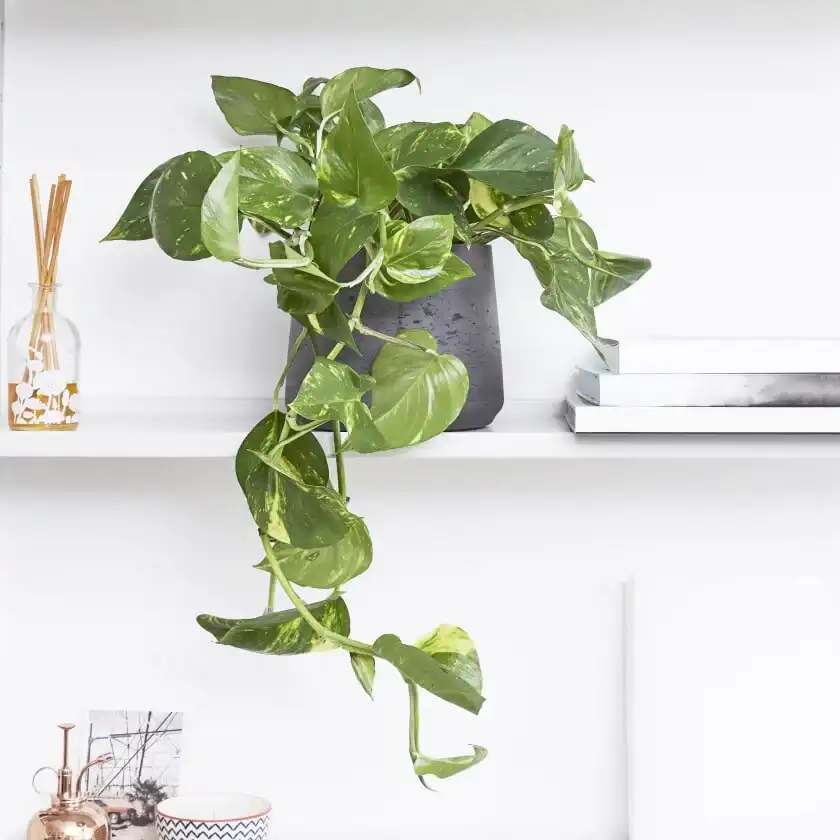
Golden Pothos
Original price was: ₹355.00.₹99.00Current price is: ₹99.00.Add to cartSelling size : Well rooted plant | 2.5″ pot included The Golden Pothos (Epipremnum aureum), also known as Devil’s Ivy, is one of the most popular and easiest houseplants to care for, making it an excellent choice for beginners. It’s a vining plant with heart-shaped leaves that are a vibrant green, often with splashes or …
-
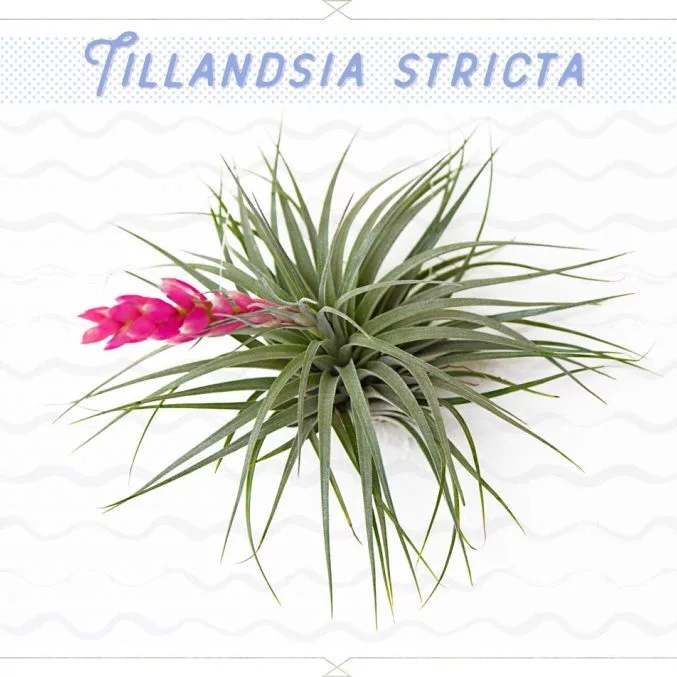
Tillandsia Stricta (Air plant)
Original price was: ₹400.00.₹199.00Current price is: ₹199.00.Add to cartSelling size: Single plant | Secure Packing The Tillandsia Stricta (Air plant) is one of the most popular and adaptable species of air plants, known for its soft, green-silver foliage and beautiful blooms. Like all air plants, it is epiphytic, meaning it absorbs all its water and nutrients through its leaves from the air, not …
-
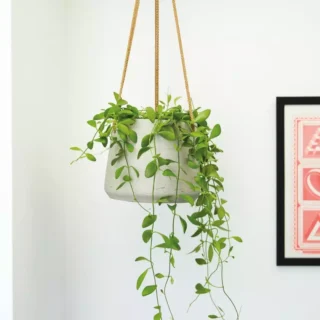
String Of Nickels (Dischidia nummularia)
Select options This product has multiple variants. The options may be chosen on the product pageSelling size: Well rooted plant in a Jiffy bag The Dischidia nummularia, commonly known as the String of Nickels or Button Orchid, is a delightful and easy-to-care-for trailing epiphyte. Its common name comes from its small, round, coin-shaped leaves that densely cover its long, slender stems. As a relative of the Hoya, it shares a …
-
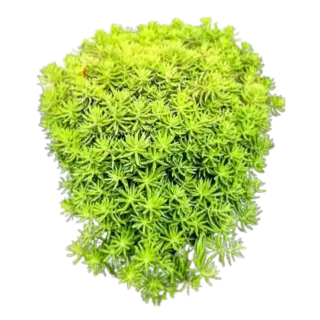
Golden Sedum Plant
Original price was: ₹549.00.₹349.00Current price is: ₹349.00.Add to cartSelling size: Well rooted plan | 2.5″ pot included The Golden Sedum (Sedum adolphii) is a popular succulent known for its bright, fleshy, evergreen leaves that can take on a beautiful golden-yellow or even reddish-pink tint in bright sun. It has a trailing or spreading growth habit, making it a great choice for hanging baskets, …
-
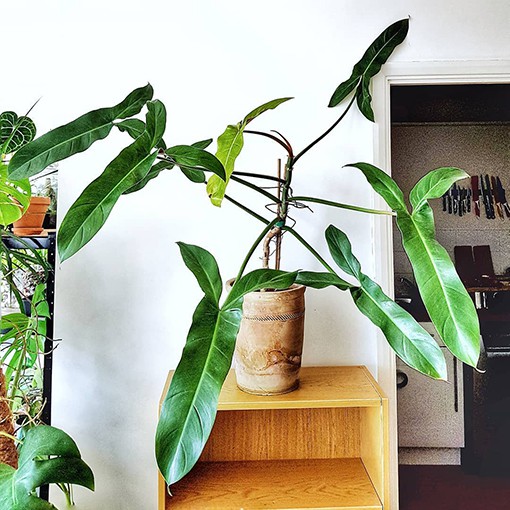
Philodendron Mexicanum
Original price was: ₹1,090.00.₹749.00Current price is: ₹749.00.Add to cartSelling size: Single Plant | Pot included The Philodendron mexicanum is a beautiful vining plant known for its long, arrow-shaped leaves with a striking deep maroon or reddish underside. As its name suggests, it is native to the tropical forests of Mexico. It’s a relatively easy-to-care-for plant, especially for those familiar with other vining philodendrons. …
-
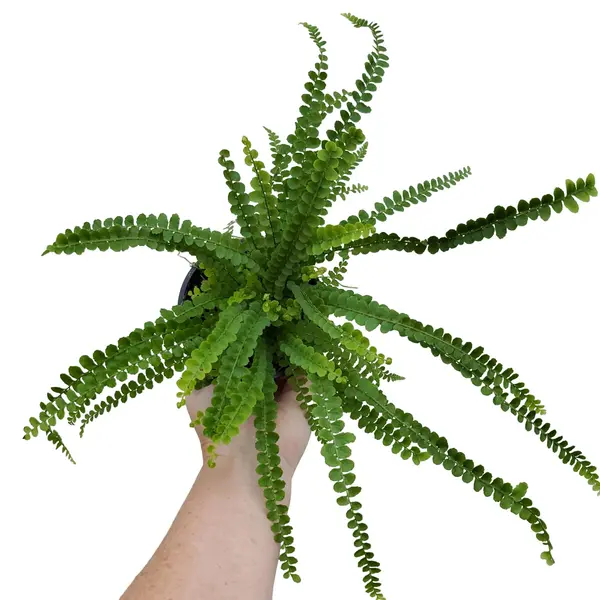
Lemon Button Fern Plant
Original price was: ₹539.00.₹179.00Current price is: ₹179.00.Add to cartSelling Size: Single plant | 2.5″ Pot Included The Lemon Button Fern (Nephrolepis cordifolia ‘Duffii’) is a popular and relatively easy-to-care-for fern. It’s known for its compact, arching fronds with small, button-like leaves and a subtle, lemony scent when you brush against them. Unlike some ferns, it’s a bit more forgiving of indoor conditions, making …
-
Scindapsus Pictus Exotica
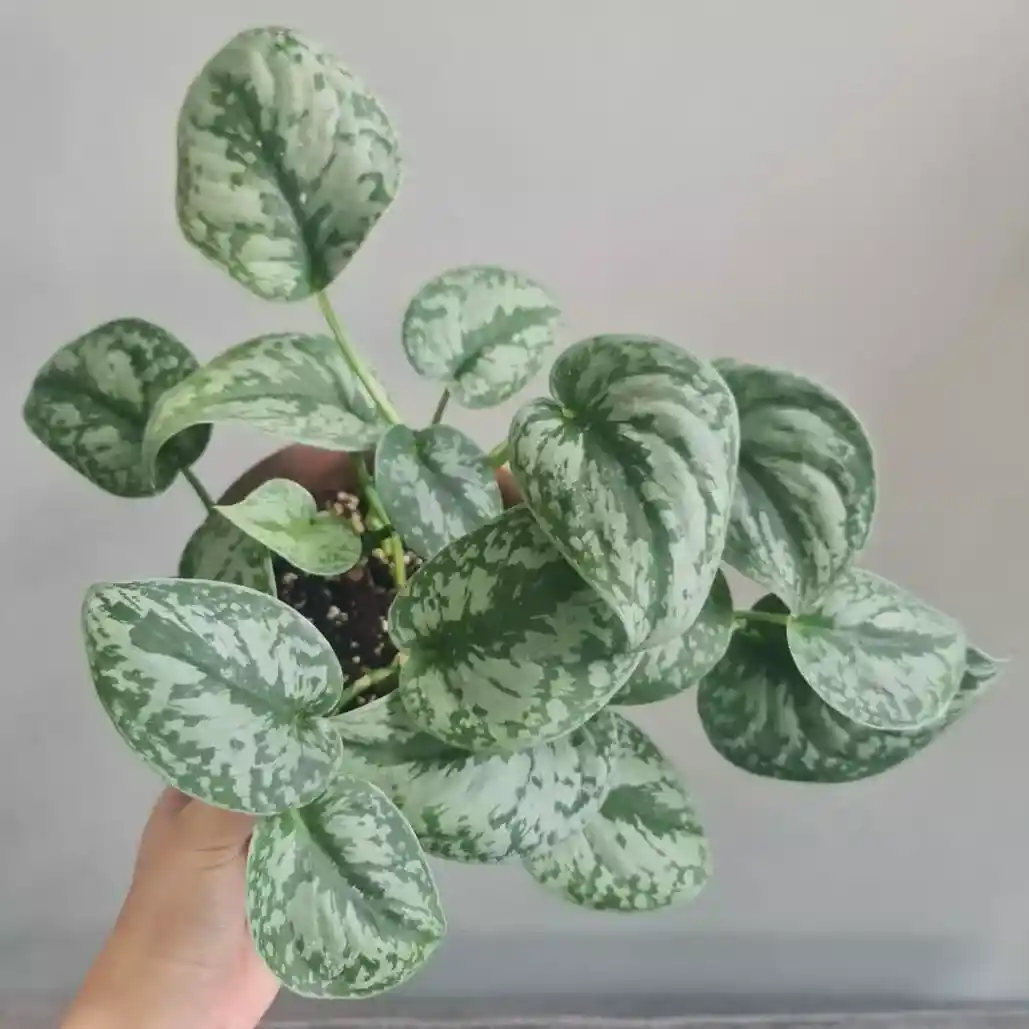
Original price was: ₹380.00.₹99.00Current price is: ₹99.00.Add to cartSelling size: Single Plant | 2.5″ Pot Included The Scindapsus Pictus Exotica, also known as the silver pothos, is a houseplant with large, dark green leaves that have silver spots and mottling. Here’s a guide to caring for your Scindapsus pictus Exotica plant: Light: Prefers bright, indirect light. An east or west-facing window that’s about …
 If you need any assistance, I'm always here. Have you found what you were looking for?
Reviews
There are no reviews yet.