Ruby Necklace Plant
Original price was: ₹150.00.₹75.00Current price is: ₹75.00.
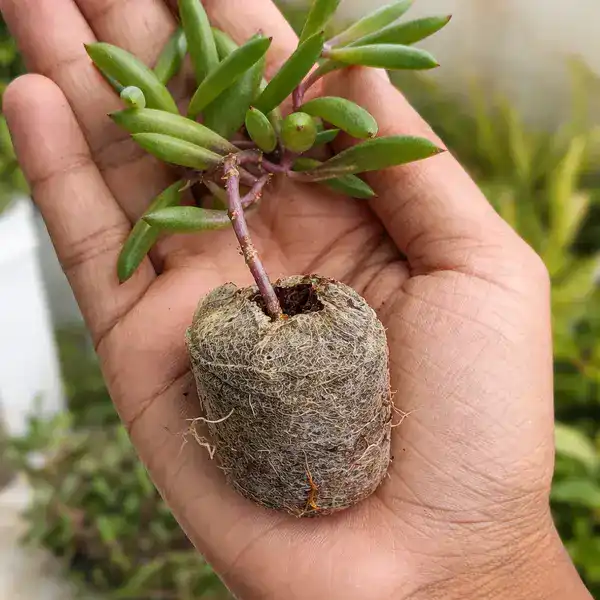
Selling Size : Single Plant | Jiffy Bag Included | Secure Packing
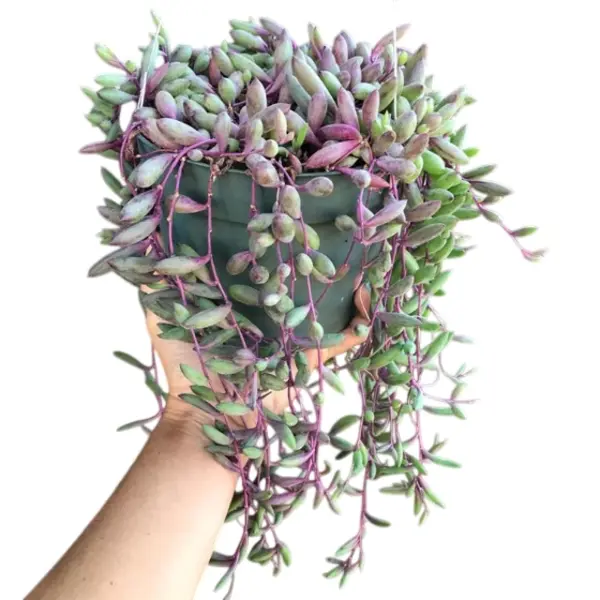
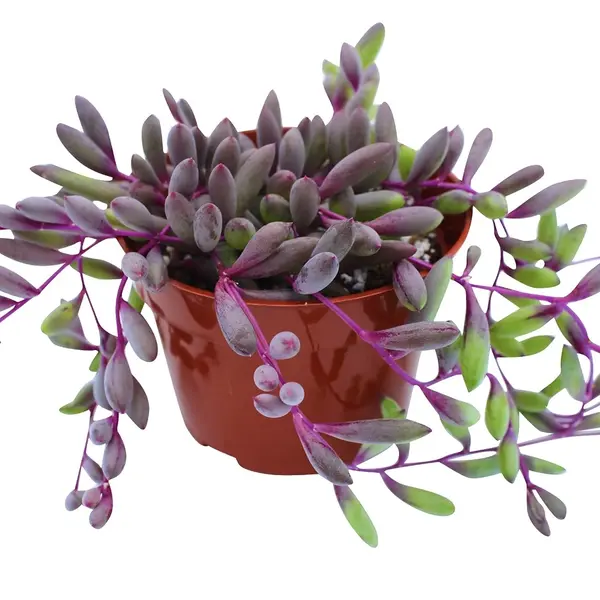
Ruby Necklace Plant, also known as String of Rubies, is a stunning trailing succulent loved for its bean-shaped leaves and vibrant purple stems. Under bright sunlight, its green leaves turn deep ruby red, giving the plant its beautiful name. This fast-growing succulent is perfect for hanging baskets, balcony rails, and terrace gardens. It is easy to care for and ideal for warm climates like Kerala.

🌿 Ruby Necklace Plant Care Guide (String of Rubies) :
☀️ Sunlight Requirements
Ruby Necklace thrives in bright sunlight. To achieve its signature ruby-red color, provide at least 4–6 hours of direct sunlight daily.
-
In low light, leaves remain mostly green.
-
In bright light, leaves turn reddish-purple.
For balcony gardening, place it in a sunny spot facing east or west. Avoid harsh afternoon sun during peak summer, as it may cause leaf burn.
🌱 Soil Requirements
As a succulent, this plant needs well-draining soil. Waterlogged soil can quickly cause root rot.
Ideal potting mix:
-
40% garden soil
-
30% sand or perlite
-
30% compost or cocopeat
You can also use a ready-made cactus or succulent mix. Ensure the pot has proper drainage holes.
💧 Watering
Ruby Necklace follows the “soak and dry” method.
-
Water thoroughly until excess drains out.
-
Allow the top 3–5 cm of soil to dry before watering again.
During summer, watering once every 4–5 days may be needed depending on heat. During monsoon and winter, reduce watering frequency. Overwatering is the most common problem and causes mushy stems and yellow leaves.
If leaves look shriveled, it needs water. If they feel soft and translucent, you may be overwatering.

🌸 Flowering
This plant produces small yellow daisy-like flowers mainly during cooler months. While the flowers are charming, the real attraction is the colorful foliage and trailing stems.
Regular sunlight encourages both vibrant leaf color and flowering.
🌿 Fertilizing
Feed lightly during the growing season (spring and early monsoon).
-
Use diluted liquid fertilizer once a month.
-
Organic compost can be applied lightly every 6–8 weeks.
Avoid heavy feeding, as succulents do not require much fertilizer. Too much nitrogen can cause weak, elongated growth.
🪴 Pot & Growing Style
Ruby Necklace is best grown in:
-
Hanging baskets
-
Wall planters
-
Rail planters
-
Shallow wide pots
Trailing stems can grow up to 60–90 cm long under ideal conditions. Trim regularly to maintain bushy growth and prevent legginess.
For a fuller look, plant multiple cuttings in one pot.
✂️ Pruning & Maintenance
Trim leggy stems to encourage branching. The cuttings can be easily propagated.
Remove dried or damaged leaves to keep the plant healthy. Occasional pruning helps maintain compact and attractive growth.
🌡️ Temperature & Climate
Ruby Necklace prefers warm temperatures between 18°C and 32°C. It performs very well in tropical climates like Kerala.
It does not tolerate frost. In heavy rain, protect from continuous water exposure to avoid rot.
🐛 Pests & Problems
This plant is generally low-maintenance but may sometimes attract:
-
Mealybugs
-
Aphids
Spray neem oil every 10–15 days as prevention. Ensure good air circulation to avoid fungal issues.
Common problems:
-
Yellowing leaves → Overwatering
-
Stretching stems → Lack of sunlight
-
Leaf drop → Sudden environmental change

🌱 Propagation
Propagation is very easy through stem cuttings.
-
Cut a healthy stem.
-
Let it dry for one day.
-
Plant in well-draining soil.
-
Water lightly after 2–3 days.
Roots usually develop within 1–2 weeks.
🌺 Final Care Tips
-
Provide bright sunlight for rich ruby color.
-
Avoid waterlogging.
-
Use well-draining soil.
-
Trim regularly for bushy growth.
With minimal care, Ruby Necklace becomes a vibrant cascading beauty, adding color and elegance to your balcony or garden space. It is perfect for home gardeners and plant businesses alike because of its fast growth and attractive appearance. 🌿✨
| Color | |
|---|---|
| Colour | |
| Price | |
| Type |
Related products
-
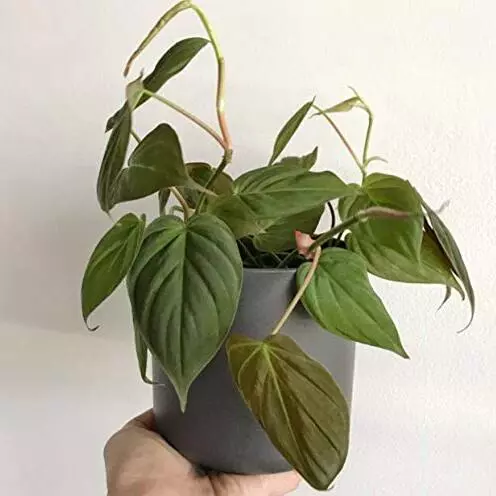
Philodendron Mican plant
Original price was: ₹650.00.₹99.00Current price is: ₹99.00.Add to cartSelling size: A well rooted plant | 2.5″ Pot Included The Philodendron Micans (Philodendron hederaceum ‘Micans’), also known as the Velvet-Leaf Philodendron, is a popular, easy-care trailing or climbing houseplant prized for its unique, velvety, heart-shaped leaves that emerge a beautiful chartreuse/pink and mature to a deep, iridescent, bronze-green with hints of purple. Here is …
-
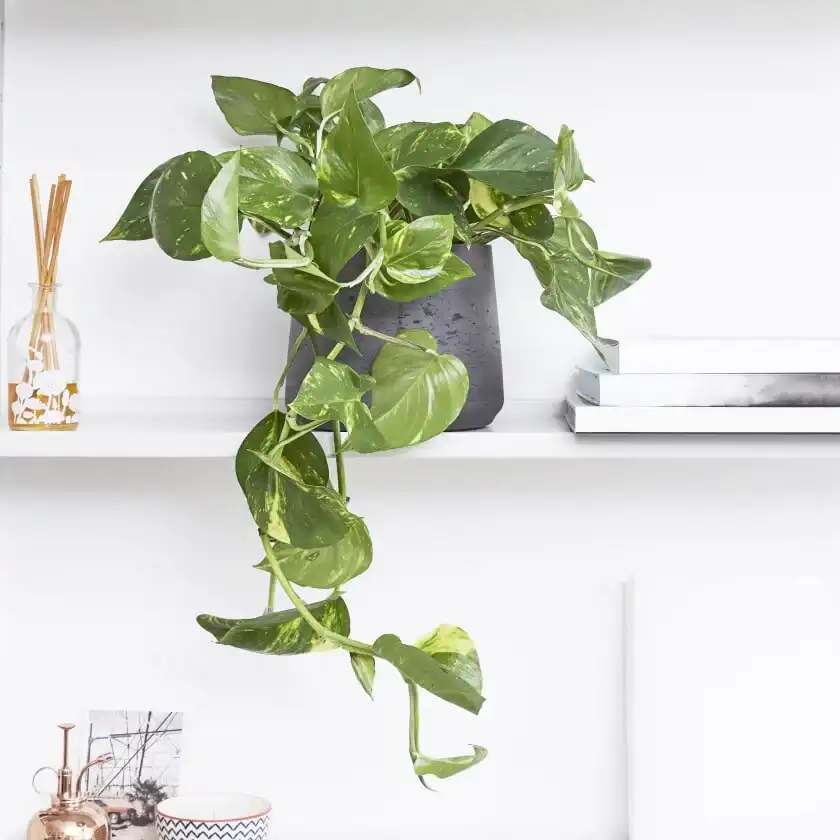
Golden Pothos
Original price was: ₹355.00.₹99.00Current price is: ₹99.00.Add to cartSelling size : Well rooted plant | 2.5″ pot included The Golden Pothos (Epipremnum aureum), also known as Devil’s Ivy, is one of the most popular and easiest houseplants to care for, making it an excellent choice for beginners. It’s a vining plant with heart-shaped leaves that are a vibrant green, often with splashes or …
-
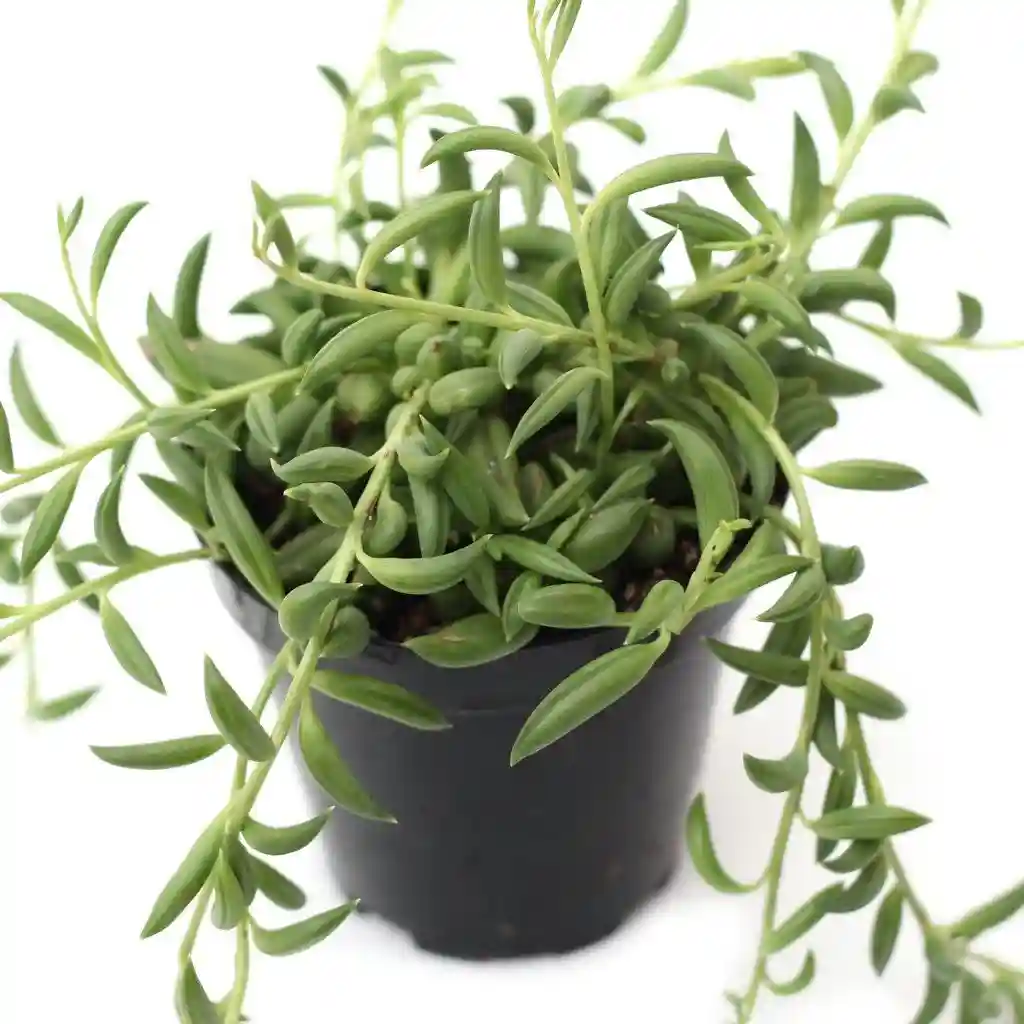
String of Bananas
Original price was: ₹450.00.₹249.00Current price is: ₹249.00.Add to cartSelling size: Mentioned in last Picture | Secure Packing The String of Bananas (Curio radicans or Senecio radicans) is a charming trailing succulent known for its long, cascading stems covered in plump, banana-shaped leaves. It’s a popular choice for hanging baskets and is generally easy to care for, especially for those who are new …
-
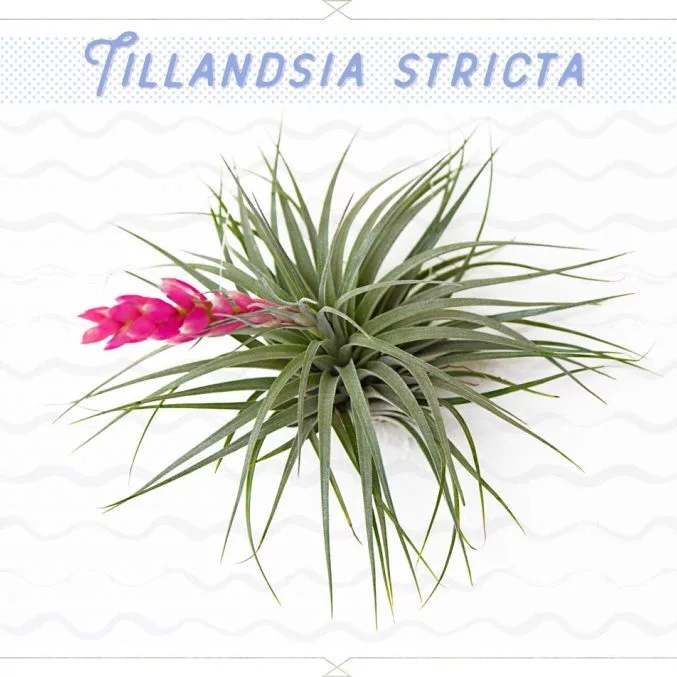
Tillandsia Stricta (Air plant)
Original price was: ₹400.00.₹199.00Current price is: ₹199.00.Add to cartSelling size: Single plant | Secure Packing The Tillandsia Stricta (Air plant) is one of the most popular and adaptable species of air plants, known for its soft, green-silver foliage and beautiful blooms. Like all air plants, it is epiphytic, meaning it absorbs all its water and nutrients through its leaves from the air, not …
-
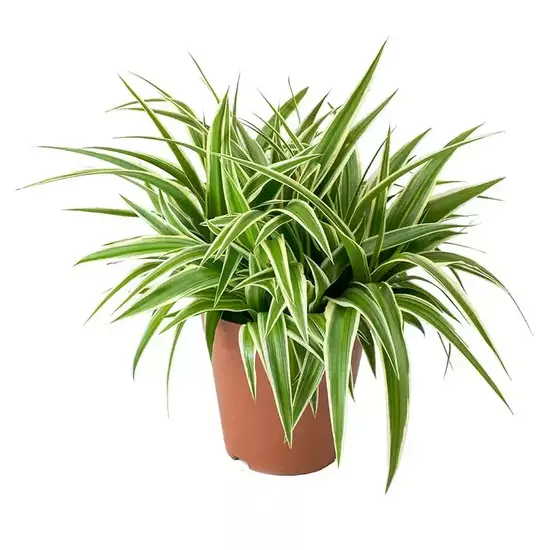
Chlorophytum Spider Live Plant
Original price was: ₹249.00.₹99.00Current price is: ₹99.00.Add to cartSelling size: Well rooted Single plant | 2.5″ Pot included Chlorophytum Spider, also the Spider Plant is an impressive houseplant which is the perfect plant for any beginner. A NASA certified air purifier, its long, green foliage with white variegations look good in both hanging planters and as desktop setups. In favourable conditions, it blooms …
-
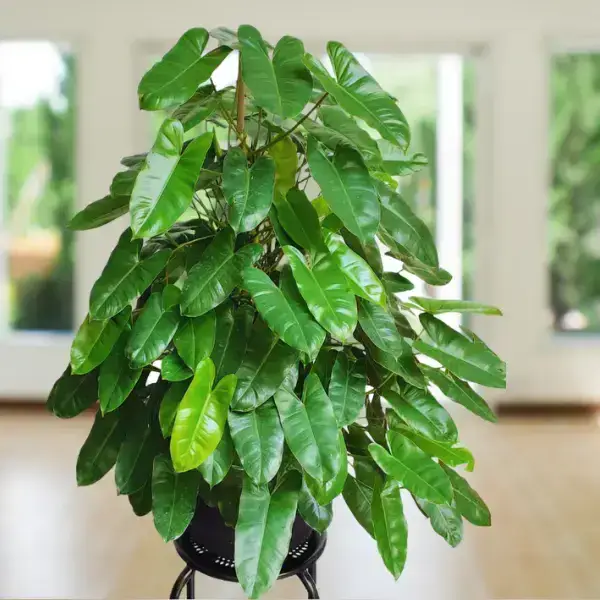
Philodendron Burle Marx Plant
Original price was: ₹485.00.₹149.00Current price is: ₹149.00.Add to cartSelling size: Single plant | Pot Included | Secure Packing The Philodendron Burle Marx is a fantastic and relatively easy-to-care-for plant, known for its glossy, spade-shaped leaves and dense, clumping growth. It’s often recommended as a great choice for beginner houseplant owners. Here is a comprehensive care guide for your Philodendron Burle Marx: Light …
-
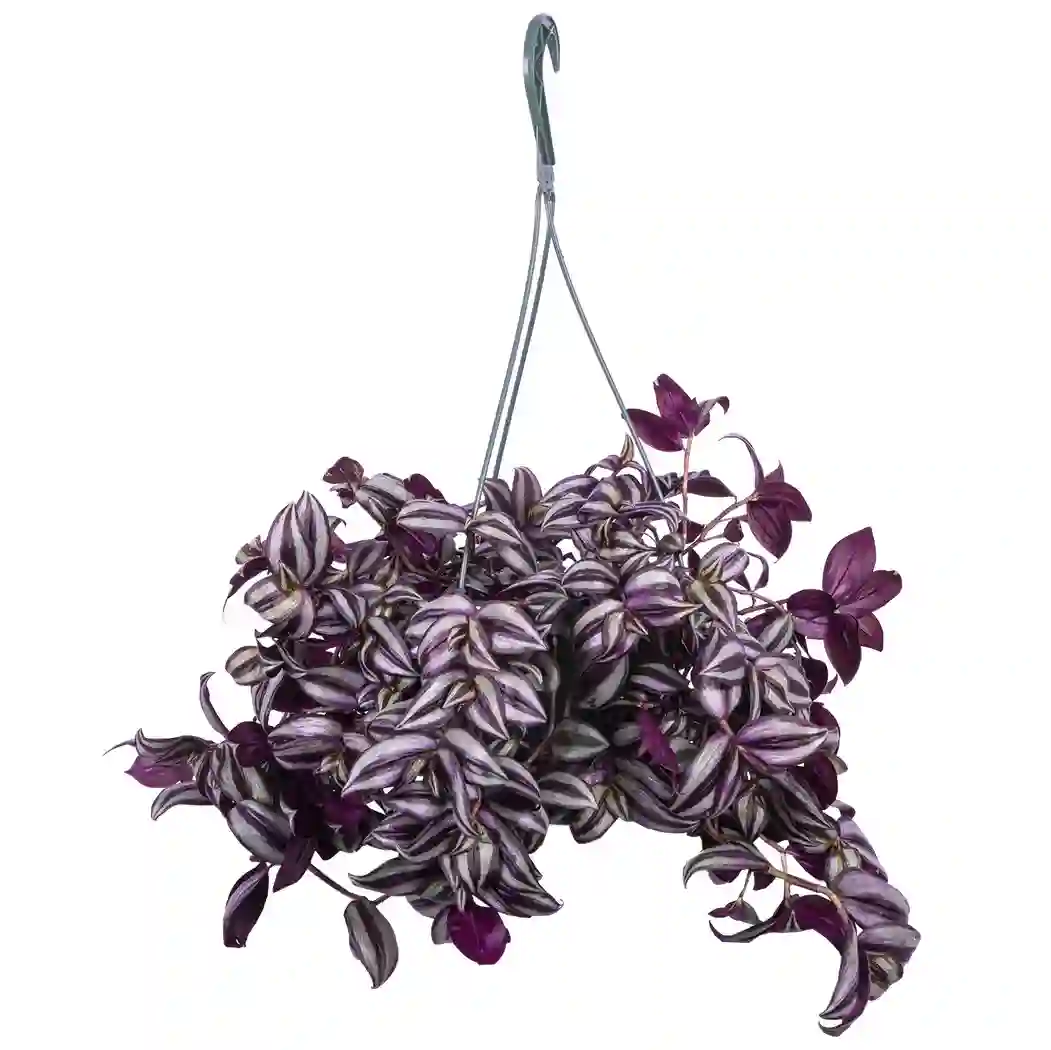
Wandering Jew Plant
Original price was: ₹305.00.₹149.00Current price is: ₹149.00.Add to cartSelling size: This plant comes in a 2.5″ Square pot The Wandering Jew Plant, also known as the Tradescantia! They’re such vibrant and easy-to-love plants. To keep yours thriving, here’s a rundown of Wandering Jew Plant care needs: Light: They absolutely love bright, indirect sunlight. Think of a spot near an east- or west-facing window …
 If you need any assistance, I'm always here. Have you found what you were looking for?