
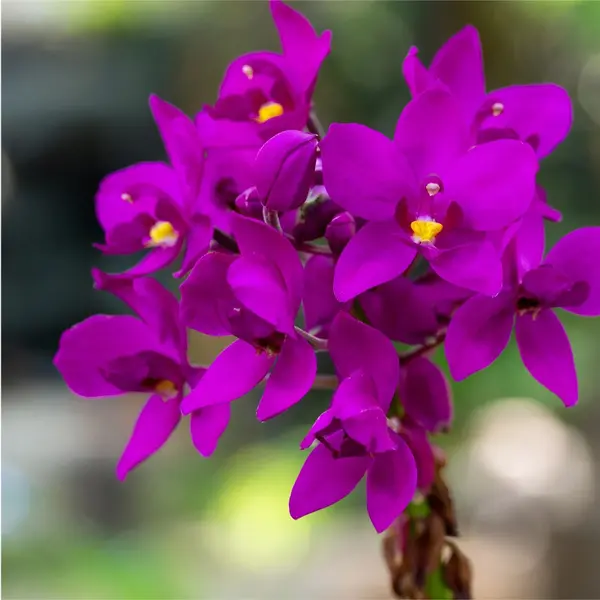
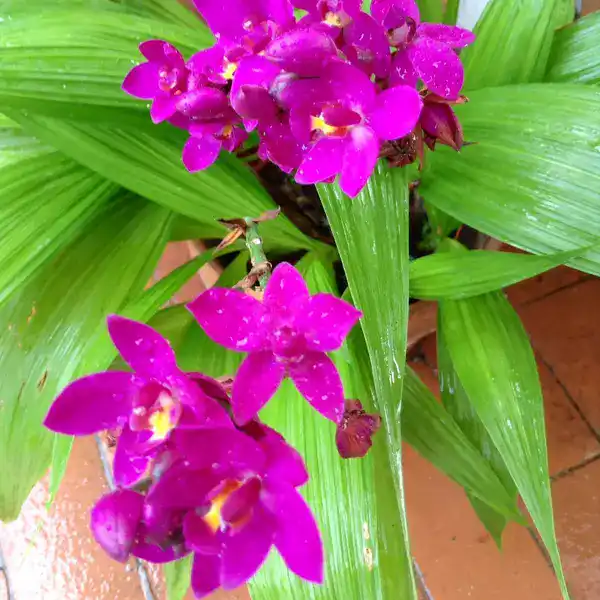
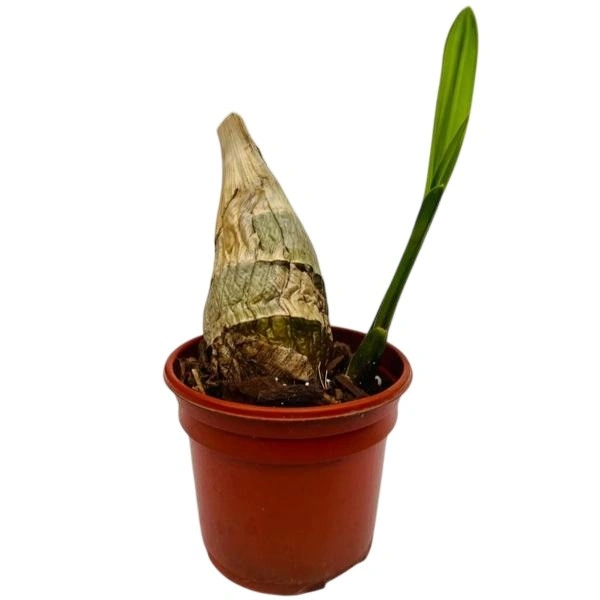
Purple Ground Orchid Bletilla
Original price was: ₹499.00.₹199.00Current price is: ₹199.00.
Selling Part: A Bulb | Pot Included | Secure Packing
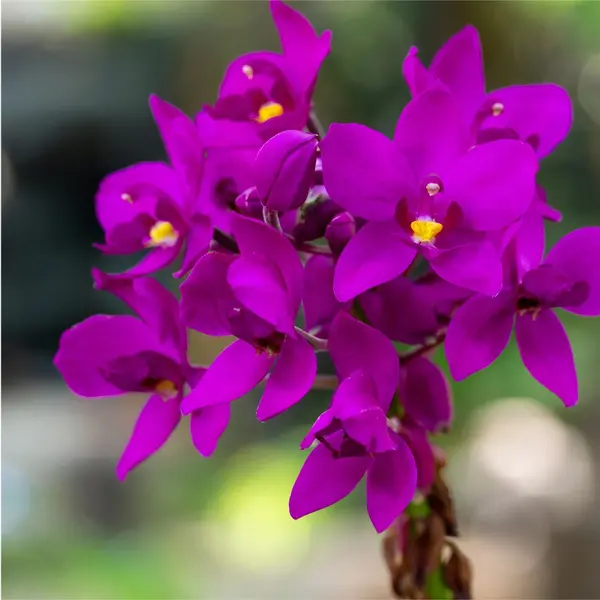
The Purple Ground Orchid Bletilla , commonly known as the Purple Ground Orchid or Chinese Ground Orchid, is a beautiful and surprisingly hardy terrestrial orchid. Unlike some of its more finicky tropical relatives, it’s a great choice for temperate gardens and is relatively easy to care for.
Here is a comprehensive guide to caring for your Purple Ground Orchid Bletilla:
Light
- Partial shade is ideal. This orchid thrives in a location that receives dappled sunlight or morning sun and is protected from the intense afternoon heat.
- Too much sun: Too much direct, hot sun can scorch the leaves.
- Too much shade: While it can tolerate full shade, it will likely produce fewer flowers.
- Outdoor placement: Plant it in a woodland garden, under deciduous trees, or on the north or east side of a house where it gets some shade.
Watering
- Keep the soil consistently moist but not waterlogged. Good drainage is crucial to prevent root rot, which is a common problem for orchids.
- Watering frequency: Water regularly during the active growing season (spring and summer).
- Winter dormancy: During the fall and winter, the foliage will die back as the plant enters dormancy. Reduce or stop watering entirely during this period. The plant’s corm-like pseudobulbs store nutrients and moisture to get through the winter.

Soil and Potting
- Well-draining, organically rich soil is a must. The plant needs a mix that retains some moisture but allows excess water to drain away quickly.
- Ideal soil mix: Amend your garden soil with organic matter like compost, leaf mold, or peat moss. This will improve both moisture retention and drainage.
- Planting depth: Plant the corm-like pseudobulbs about 2-4 inches deep in the soil in the spring.
- Containers: Bletilla can be grown successfully in containers, especially in colder climates where they can be moved indoors for winter protection. Use a pot with ample drainage holes.
Temperature and Hardiness
- Hardy in many temperate zones. Bletilla striata is typically hardy in USDA Zones 5-9.
- Winter care: In colder zones (like USDA Zones 5 and 6), apply a thick layer of mulch (such as straw or shredded bark) over the planting area in late autumn to protect the pseudobulbs from hard freezes.
- Potted plants: If you’re growing Bletilla in a container in a cold climate, you can move the pot to a cool, dry, frost-free location like a garage or basement for the winter.
Fertilizer
- Fertilize with a light hand. Over-fertilizing can harm the symbiotic fungus that Bletilla needs to thrive.
- Frequency: Apply a light, balanced, granular fertilizer in early spring as new growth emerges. You can also use a diluted water-soluble fertilizer a few times during the growing season.
- Compost: Top-dressing the soil with a layer of compost each spring is an excellent way to provide nutrients naturally.

Maintenance and Dormancy
- Deciduous foliage: The sword-like, pleated leaves of Bletilla striata will die back in the fall. This is a normal part of its life cycle and signals the start of its winter dormancy. Do not be alarmed!
- Remove spent flowers: Cut back the flower stalks after they have finished blooming to tidy up the plant.
- Division: Bletilla will naturalize and spread slowly over time. You can divide the clumps every few years in the fall to create new plants and prevent overcrowding.
| Color | |
|---|---|
| Colour | |
| Price | |
| Type |
Only logged in customers who have purchased this product may leave a review.
Related products
-
Columbian Peperomia (Galaxy pepperomia)
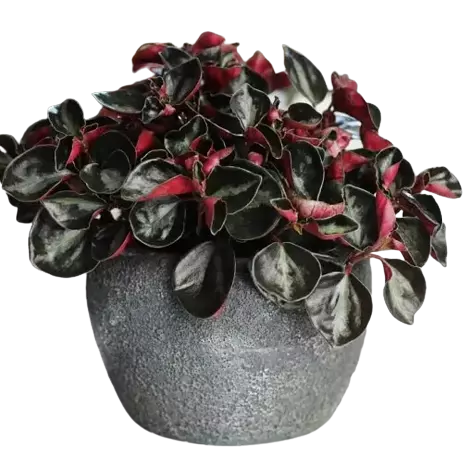
Original price was: ₹345.00.₹183.65Current price is: ₹183.65.Add to cartSelling size:Well rooted plant in a jiffy bag The Columbian Peperomia (Peperomia metallica var. columbiana) is a visually striking and relatively low-maintenance houseplant. It is also sometimes sold as “Galaxy Peperomia,” a name that hints at its unique foliage. This plant is known for its beautiful, semi-succulent leaves that have a dark green or bronze-purple …
-
Pilea involucrata ‘Norfolk’ – Friendship Plant
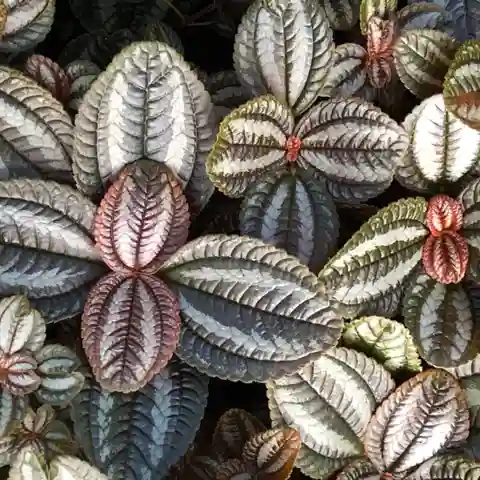
Original price was: ₹450.00.₹199.00Current price is: ₹199.00.Add to cartSize: Single Plant | 2.5″ Pot Included | Free Shipping The Pilea involucrata ‘Norfolk’, commonly known as the Friendship Plant, is a delightful houseplant celebrated for its unique, velvety, quilted foliage. The leaves have a rich texture and a beautiful color palette, with deep green and bronze tones on the upper surface and a reddish-purple …
-
Dischidia Ruscifolia (Million Hearts)
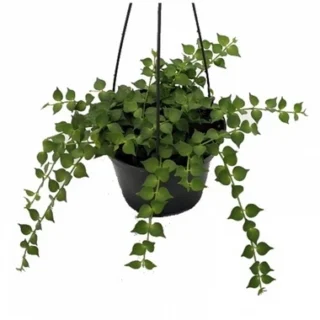
Original price was: ₹695.00.₹375.00Current price is: ₹375.00.Add to cartPlant Size: Single plant | 2.5″ Pot Included | Free Shipping The Dischidia ruscifolia, commonly known as the Million Hearts plant, is a delightful and easy-to-care-for trailing epiphyte. Its name comes from the abundance of small, heart-shaped leaves that densely cover its slender stems. As a member of the same family as Hoyas, its …
-
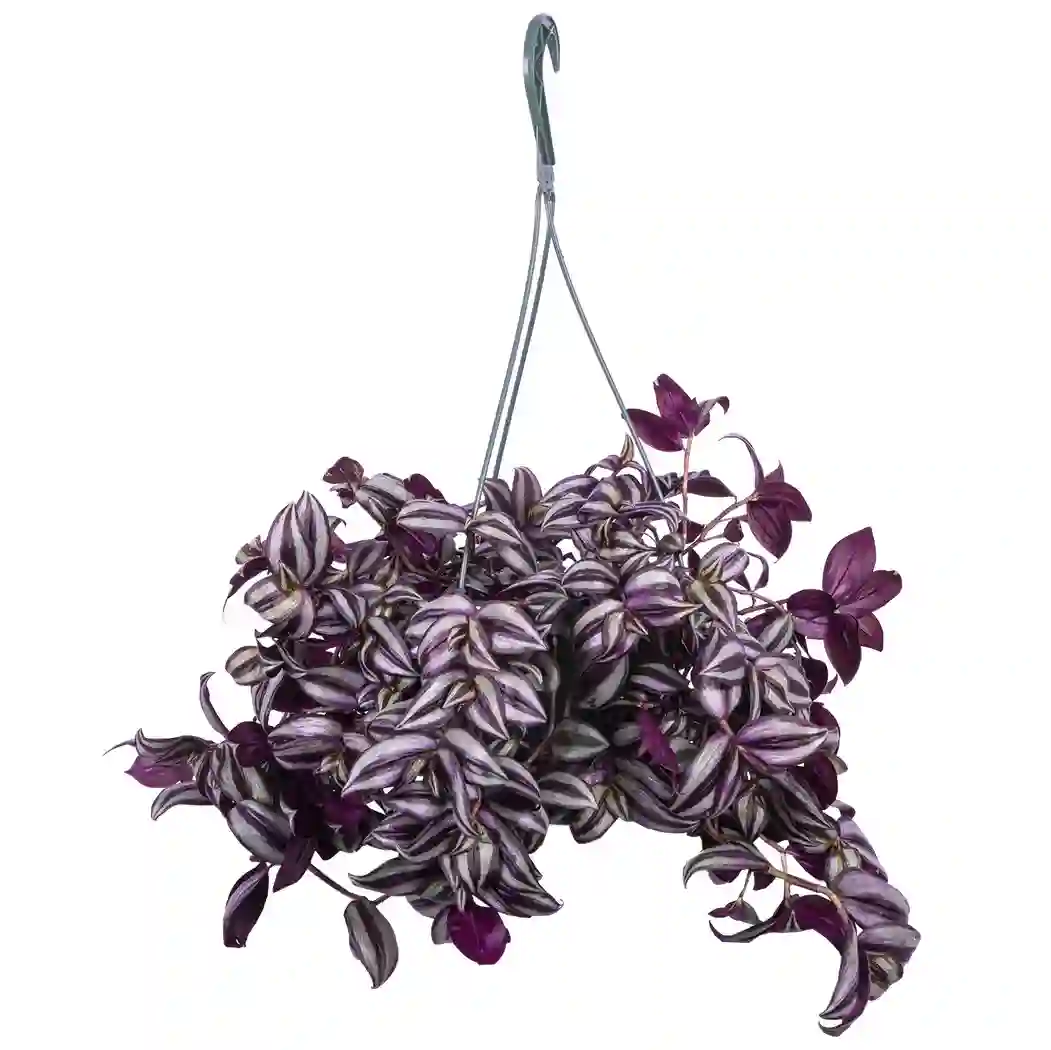
Wandering Jew Plant
Original price was: ₹305.00.₹149.00Current price is: ₹149.00.Add to cartSelling size: This plant comes in a 2.5″ Square pot The Wandering Jew Plant, also known as the Tradescantia! They’re such vibrant and easy-to-love plants. To keep yours thriving, here’s a rundown of Wandering Jew Plant care needs: Light: They absolutely love bright, indirect sunlight. Think of a spot near an east- or west-facing window …
-
Spanish Moss Air Plant
Price range: ₹49.00 through ₹525.00Select options This product has multiple variants. The options may be chosen on the product pageSelling size: PLEASE CHOOSE Spanish Moss Air Plant – CARE INSTRUCTIONS Scientific name: Tillandsia usneoides Synonyms: Old man’s beard, Spanish Moss, French Hair, Spanish Beard Spanish Moss is a delicate silvery-grey air plant that is often used to hang in trees or as a gorgeous decor piece without the need for soil. Despite its name, Spanish Moss …
-
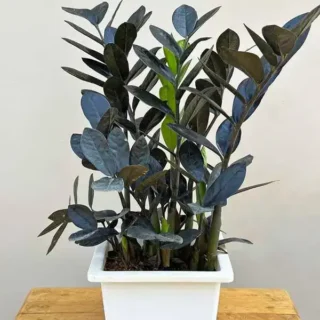
Black zz plant, Raven ZZ Plant
Select options This product has multiple variants. The options may be chosen on the product pageSelling size: Please Choose (Single – Bushy) | 2.5″-5” Pot Included | Secure Packing The Black ZZ Plant, or Raven ZZ Plant (Zamioculcas zamiifolia ‘Raven’), is a popular, exceptionally resilient houseplant known for its striking, nearly black foliage. It shares the easy-care nature of the standard green ZZ plant, making it perfect for beginners or …
-
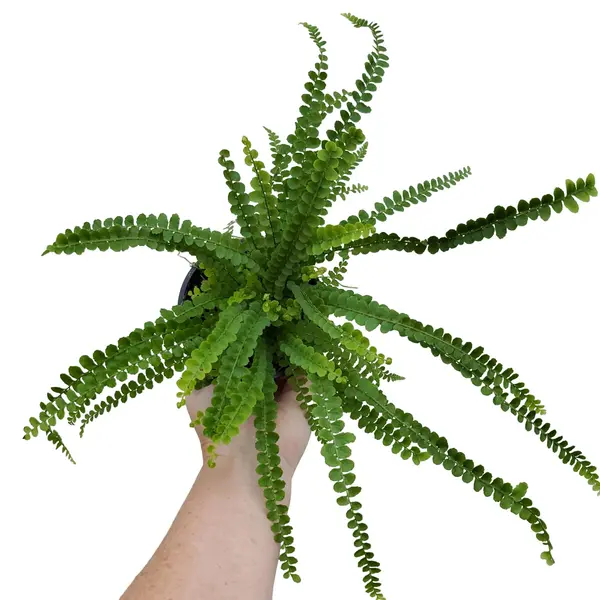
Lemon Button Fern Plant
Original price was: ₹539.00.₹179.00Current price is: ₹179.00.Add to cartSelling Size: Single plant | 2.5″ Pot Included The Lemon Button Fern (Nephrolepis cordifolia ‘Duffii’) is a popular and relatively easy-to-care-for fern. It’s known for its compact, arching fronds with small, button-like leaves and a subtle, lemony scent when you brush against them. Unlike some ferns, it’s a bit more forgiving of indoor conditions, making …
-
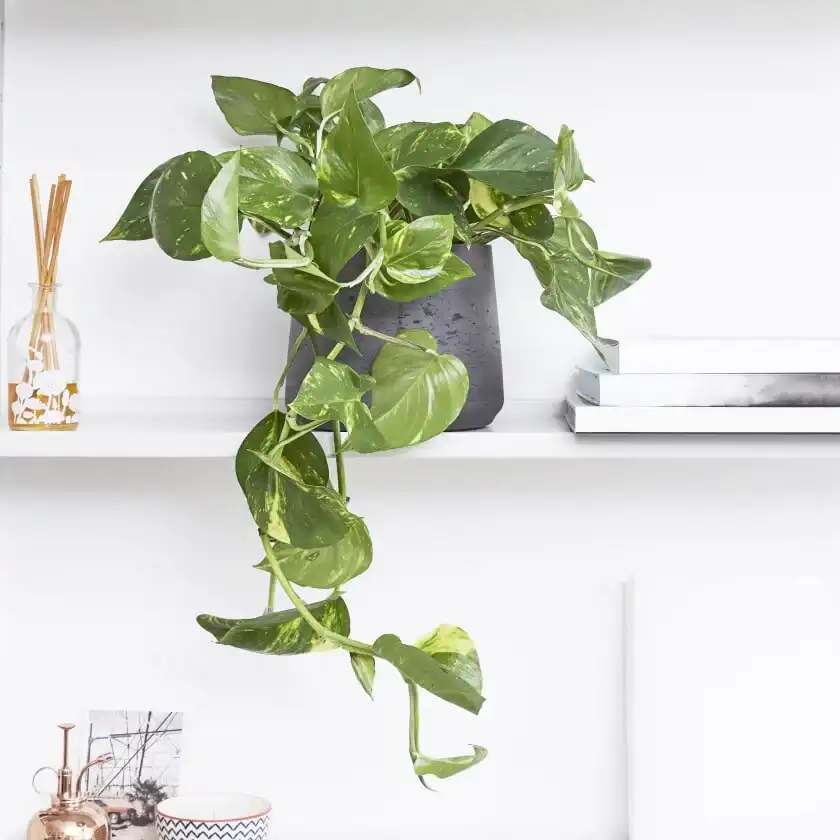
Golden Pothos
Original price was: ₹355.00.₹99.00Current price is: ₹99.00.Add to cartSelling size : Well rooted plant | 2.5″ pot included The Golden Pothos (Epipremnum aureum), also known as Devil’s Ivy, is one of the most popular and easiest houseplants to care for, making it an excellent choice for beginners. It’s a vining plant with heart-shaped leaves that are a vibrant green, often with splashes or …
 If you need any assistance, I'm always here. Have you found what you were looking for?
Reviews
There are no reviews yet.