Heliconia Variegated – Super Rare
Original price was: ₹2,599.00.₹1,099.00Current price is: ₹1,099.00.
2 in stock
Plant size: Single plant | Pot Included | Free shipping
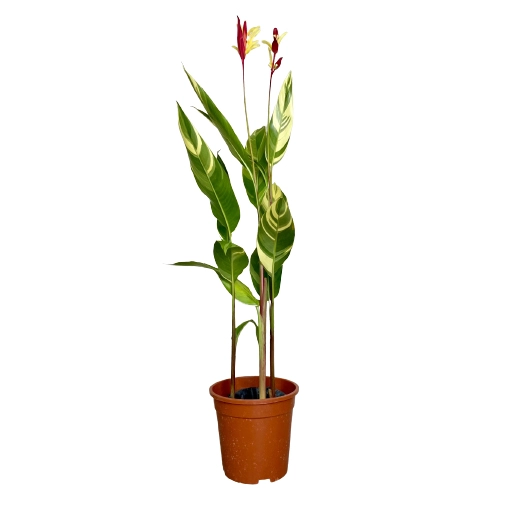
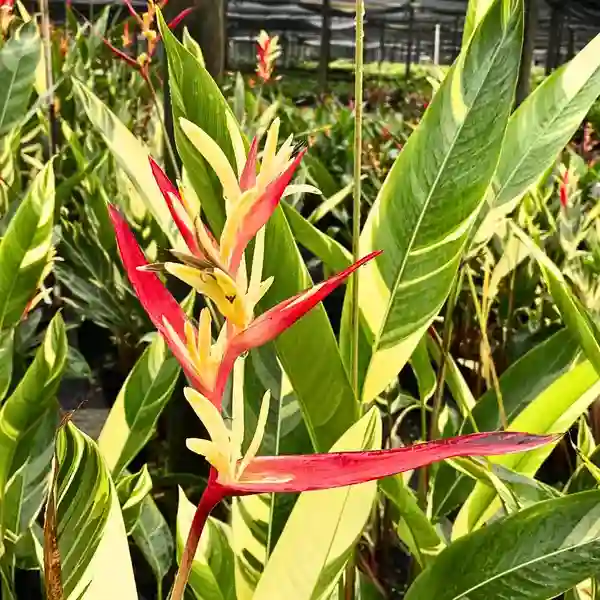
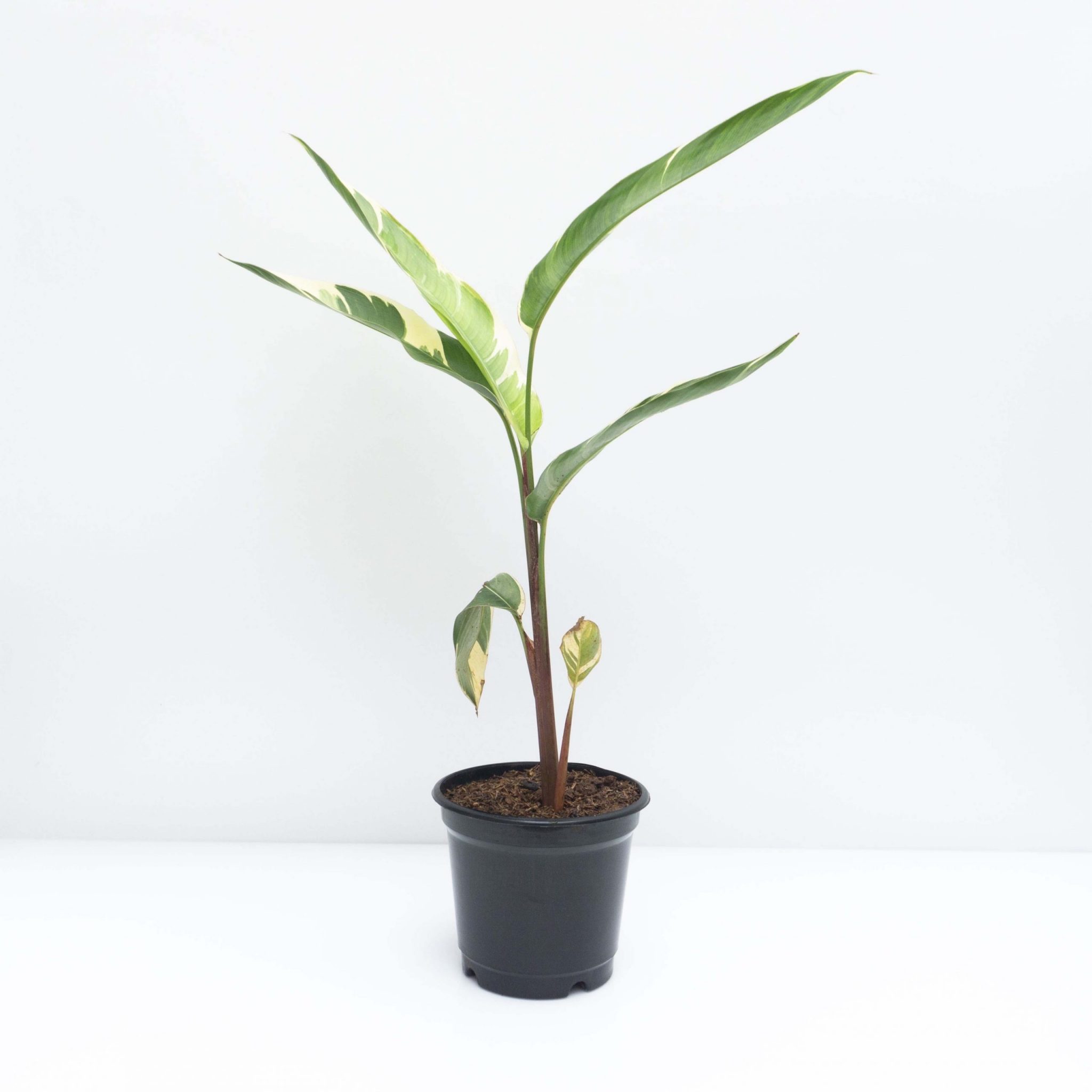
The Variegated Heliconia (often a cultivar of Heliconia psittacorum, like ‘Lady Di’ or ‘Golden Torch’) is a striking tropical plant known for its banana-like leaves splashed with stripes of cream, yellow, or white. It is a demanding plant, requiring specific tropical conditions to thrive, especially when grown indoors.

Here is a comprehensive care guide for your Variegated Heliconia:
Light
- Bright Light is Essential: Heliconia thrives in full sun to partial shade outdoors. When grown indoors, it needs the brightest indirect light you can provide.
- Ideal Indoor Placement: Place it near a south- or west-facing window, or use a supplemental grow light, aiming for 8 to 10 hours of bright light daily.
- Variegation: Adequate bright light is crucial for maintaining the vibrant yellow/white variegation. Too little light will cause the plant to become leggy and the variegation to fade.
Watering
- Keep Soil Consistently Moist: Heliconia loves water and should never be allowed to completely dry out. The soil should be consistently moist, but not waterlogged or soggy.
- Drainage is Key: Ensure the pot has excellent drainage. Overwatering is a common mistake that leads to root rot, so while it loves moisture, it cannot tolerate standing water.
- Reduce in Winter: In cooler months or if the plant is dormant, slightly reduce the watering frequency, but do not let the soil dry out fully.
- Use Tepid Water: Avoid using cold water, as this can shock the plant.
Temperature and Humidity
- Warmth: As a tropical plant, it demands high temperatures. Ideal range is 70°F to 85°F (21°C to 29°C).
- Cold Intolerance: Do not expose it to temperatures below 50°F (10°C). Cold drafts from doors, windows, or AC/heating vents can severely damage the foliage.
- High Humidity: Heliconia requires high humidity to prevent the leaf edges from turning brown and crispy.
- Use a humidifier near the plant.
- Place the pot on a pebble tray filled with water.
- Misting can help temporarily, but a humidifier is far more effective.
Soil and Potting
- Rich, Well-Draining Soil: Use a rich, organic potting mix that retains moisture but drains well. A mix designed for tropical plants is best.
- You can amend a standard potting mix with compost, coco coir, or peat moss to enrich it, and perlite or orchid bark to ensure drainage.
- Pot Size: Choose a heavy pot that is at least 18 inches (45 cm) in diameter and depth, as this plant grows quickly and can become top-heavy.
- Repotting: Repot every couple of years in the spring to refresh the soil and move up to a pot 2 to 4 inches larger in diameter.
Fertilizing
- Heavy Feeder: Heliconia is a heavy feeder, especially during the growing season (spring and summer).
- Fertilizer Type: Use a balanced (e.g., 10-10-10 or 14-14-14 NPK) slow-release granular fertilizer every 3-4 months, or a diluted liquid fertilizer every 2-4 weeks.
- Reduce Feeding: Stop fertilizing entirely in the fall and winter.

Pruning and Maintenance
- Deadheading: Remove spent flower stalks and old stems by cutting them back to the base. This encourages the plant to produce new shoots (rhizomes) and subsequent flowers.
- Maintenance: Wipe the large leaves occasionally with a damp cloth to remove dust and help the plant photosynthesize efficiently.
Flowering (Bracts)
- Heliconia is famous for its colorful, unique flower-like structures called bracts.
- The plant will only flower if it receives enough bright light, high heat, and consistent moisture. Indoor flowering is possible but challenging for larger varieties.
Toxicity
- The Heliconia genus is generally considered non-toxic to humans and pets, but always exercise caution and prevent ingestion of any houseplant material.
Only logged in customers who have purchased this product may leave a review.
Related products
-
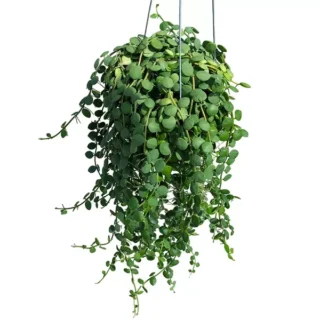
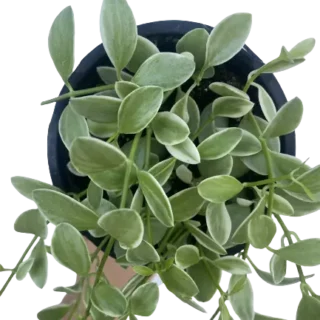
Dischidia nummularia (Pebble Beach/ Button Orchid)
Original price was: ₹655.00.₹375.00Current price is: ₹375.00.Add to cartPlant Size: Single plant | 2.5″ Pot Included | Free Shipping he Dischidia nummularia, commonly known as the String of Nickels, Pebble Beach plant, or Button Orchid, is a charming epiphyte with trailing stems covered in small, round, succulent-like leaves. It’s a great choice for hanging baskets and is known for being relatively easy to …
-
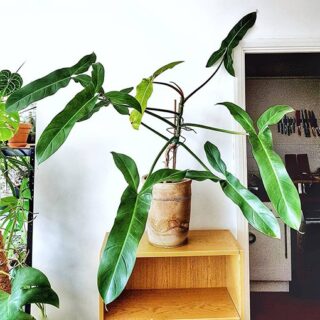
Philodendron Mexicanum
Original price was: ₹1,090.00.₹749.00Current price is: ₹749.00.Add to cartSelling size: Single Plant | Pot included The Philodendron mexicanum is a beautiful vining plant known for its long, arrow-shaped leaves with a striking deep maroon or reddish underside. As its name suggests, it is native to the tropical forests of Mexico. It’s a relatively easy-to-care-for plant, especially for those familiar with other vining philodendrons. …
-
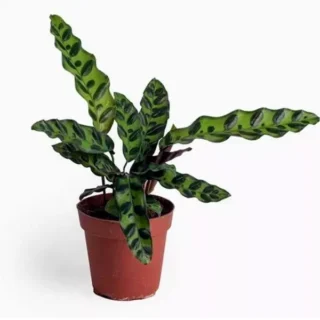
Calathiya Rattlesnake Plant
Select options This product has multiple variants. The options may be chosen on the product pageSelling size: Please Choose | Secure Packing | 2.5″-4″ Pot Included Calathiya rattlesnake is a plant easy to care for. However, there are a few measures and precautions you need to take to grow and maintain yours. Here’s a comprehensive guide for rattlesnake plant : Light Calathea Lancifolia prefers bright, indirect light. Like most variegated …
-
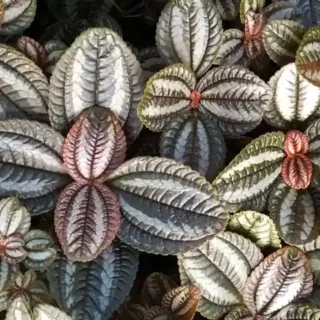
Pilea involucrata ‘Norfolk’ – Friendship Plant
Original price was: ₹450.00.₹199.00Current price is: ₹199.00.Add to cartSize: Single Plant | 2.5″ Pot Included | Free Shipping The Pilea involucrata ‘Norfolk’, commonly known as the Friendship Plant, is a delightful houseplant celebrated for its unique, velvety, quilted foliage. The leaves have a rich texture and a beautiful color palette, with deep green and bronze tones on the upper surface and a reddish-purple …
-
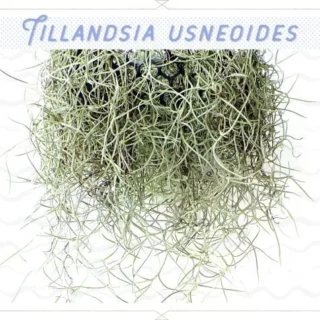
Spanish Moss Air Plant
Price range: ₹49.00 through ₹525.00Select options This product has multiple variants. The options may be chosen on the product pageSelling size: PLEASE CHOOSE Spanish Moss Air Plant – CARE INSTRUCTIONS Scientific name: Tillandsia usneoides Synonyms: Old man’s beard, Spanish Moss, French Hair, Spanish Beard Spanish Moss is a delicate silvery-grey air plant that is often used to hang in trees or as a gorgeous decor piece without the need for soil. Despite its name, Spanish Moss …
-
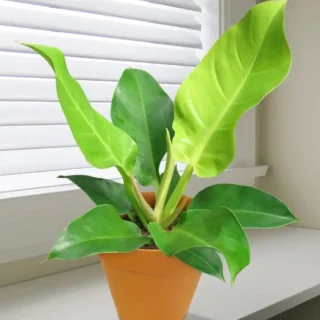
Philodendron Moonshine
Original price was: ₹1,250.00.₹249.00Current price is: ₹249.00.Add to cartSelling size: Single plant | Pot included | Secure Packing The Philodendron Moonshine (often also called ‘Moonlight’) is a popular hybrid known for its vibrant, almost glowing, chartreuse-colored leaves. It has an upright, self-heading growth habit, so unlike many vining philodendrons, it doesn’t need a trellis or pole. Here is a comprehensive guide to caring …
-
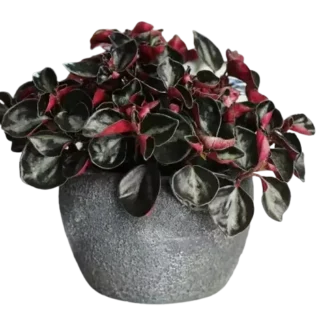
Columbian Peperomia (Galaxy pepperomia)
Original price was: ₹345.00.₹183.65Current price is: ₹183.65.Read moreSelling size:Well rooted plant in a jiffy bag The Columbian Peperomia (Peperomia metallica var. columbiana) is a visually striking and relatively low-maintenance houseplant. It is also sometimes sold as “Galaxy Peperomia,” a name that hints at its unique foliage. This plant is known for its beautiful, semi-succulent leaves that have a dark green or bronze-purple …
 If you need any assistance, I'm always here. Have you found what you were looking for?
Reviews
There are no reviews yet.