Alocasia Amazonica- Rare
Size: Single plant (2-3 leaves)| Pot Included | Free shipping
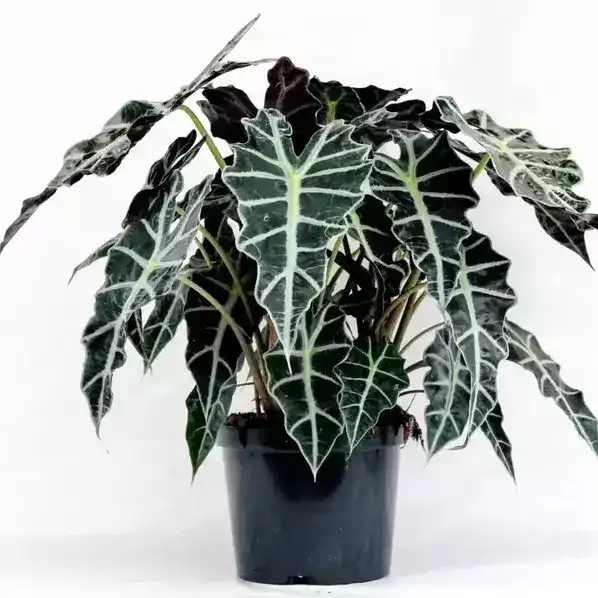
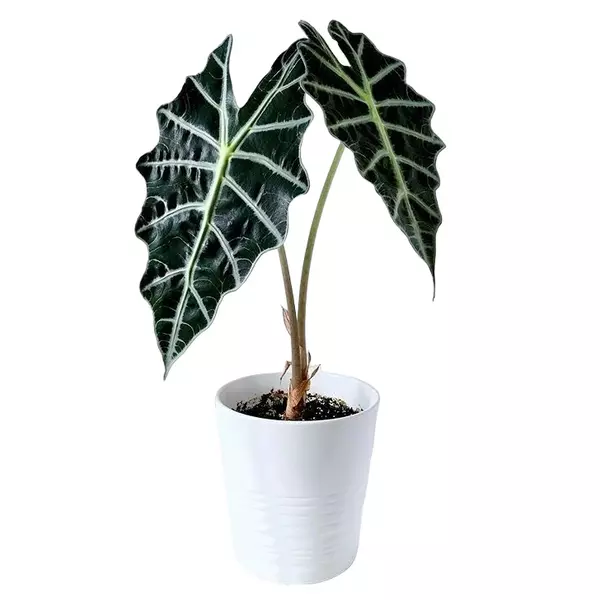
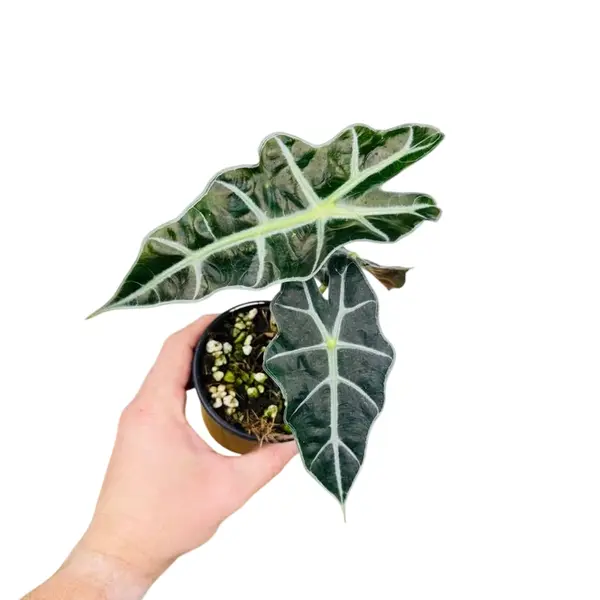
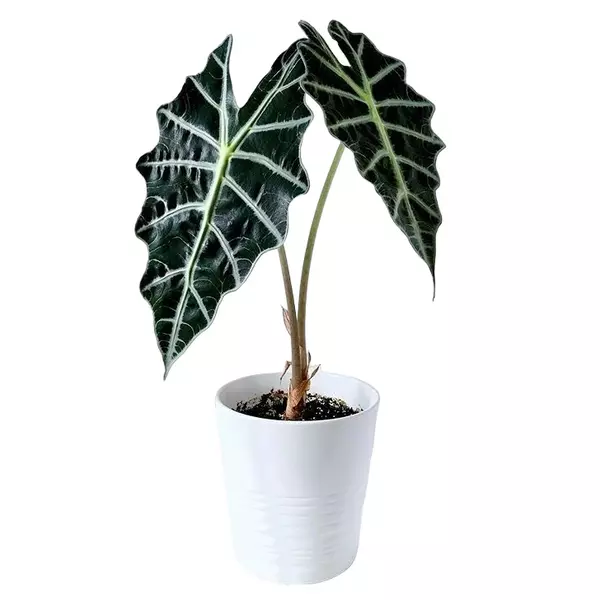
Alocasia Amazonica, popularly known as the African Mask Plant or Alocasia ‘Polly’, is a striking ornamental foliage plant prized for its dramatic, arrow-shaped leaves with bold white veins and glossy deep-green surfaces. Though often labeled as “rare” due to its exotic appearance and specific care needs, this plant can thrive beautifully indoors when its natural tropical environment is carefully replicated. Below is a detailed 600-word care guide to help you grow a healthy and vibrant Alocasia Amazonica.
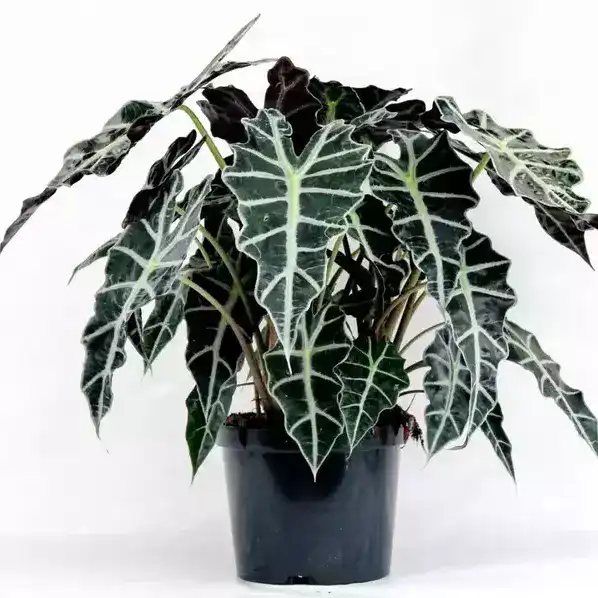
Alocasia Amazonica (African Mask Plant) – Rare Care Guide :
Light Requirements
Alocasia Amazonica prefers bright, indirect light. In its native tropical habitat, it grows under the forest canopy, receiving filtered sunlight. Indoors, place the plant near an east- or north-facing window where it can enjoy soft morning light. Direct sunlight, especially harsh afternoon sun, can scorch its leaves and fade the striking vein patterns. Low light, on the other hand, may slow growth and cause leaf drooping. A balance of bright but indirect light is key.
Watering Needs
Proper watering is crucial for Alocasia Amazonica. The soil should be kept consistently moist but never waterlogged. Water thoroughly when the top 2–3 cm of soil feels slightly dry. Overwatering can quickly lead to root rot, while underwatering may cause the leaves to curl or yellow. Always ensure that excess water drains out freely, and never allow the pot to sit in standing water.
Humidity and Temperature
As a true tropical plant, Alocasia Amazonica thrives in high humidity levels (60–80%). Dry indoor air can result in crispy leaf edges and slow growth. Using a humidifier, placing the plant on a pebble tray with water, or grouping it with other humidity-loving plants can help maintain adequate moisture in the air.
Temperature should ideally remain between 18–28°C. Avoid cold drafts, air conditioners, or sudden temperature fluctuations, as these can stress the plant and cause leaf drop.
Soil and Potting
A well-draining yet moisture-retentive soil mix is essential. A blend of peat or coco peat, perlite, and orchid bark works well, allowing air circulation around the roots while retaining enough moisture. Choose a pot with good drainage holes. Repotting is generally needed every 1–2 years, preferably during the growing season (spring or early summer), to refresh the soil and accommodate root growth.
Fertilizing
During the active growing season (spring and summer), feed Alocasia Amazonica every 2–4 weeks with a balanced, diluted liquid fertilizer. This supports lush leaf growth and maintains vibrant coloration. Reduce feeding in autumn and winter when the plant’s growth naturally slows.
Dormancy and Leaf Drop
It is normal for Alocasia Amazonica to enter a semi-dormant phase, especially in cooler months. During this time, growth may slow, and the plant might shed older leaves. Do not panic—reduce watering slightly and stop fertilizing until new growth resumes in warmer conditions.
Common Problems and Pests
Spider mites, aphids, and mealybugs are the most common pests affecting Alocasia Amazonica, particularly in dry environments. Regularly inspect the undersides of leaves and wipe them gently with a damp cloth. Treat infestations early with neem oil or mild insecticidal soap.
Yellowing leaves usually indicate overwatering, while brown edges suggest low humidity or inconsistent watering.

Toxicity Warning
Alocasia Amazonica is toxic if ingested due to calcium oxalate crystals. Keep it out of reach of pets and children.
Final Thoughts
With its bold foliage and exotic presence, Alocasia Amazonica is a true statement plant for indoor gardens. While it demands attentive care, especially regarding humidity and watering, the reward is a stunning, architectural plant that elevates any space. By mimicking its tropical origins, you can enjoy the rare beauty of Alocasia Amazonica for years to come. 🌿
2 reviews for Alocasia Amazonica- Rare
Only logged in customers who have purchased this product may leave a review.
Related products
-
Golden Pothos
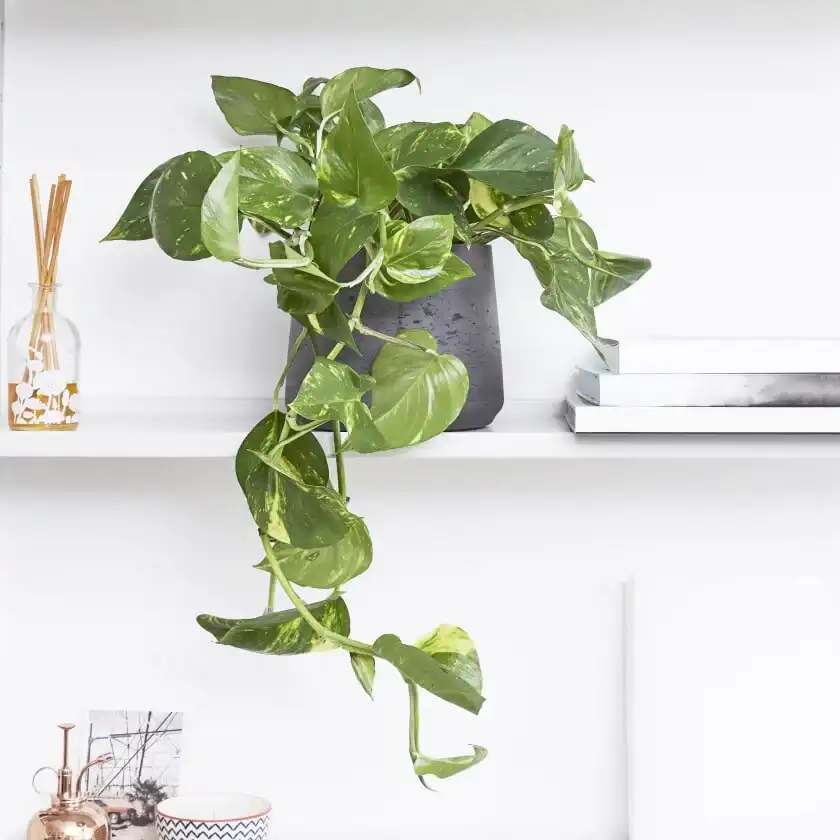
Original price was: ₹355.00.₹99.00Current price is: ₹99.00.Add to cartSelling size : Well rooted plant | 2.5″ pot included The Golden Pothos (Epipremnum aureum), also known as Devil’s Ivy, is one of the most popular and easiest houseplants to care for, making it an excellent choice for beginners. It’s a vining plant with heart-shaped leaves that are a vibrant green, often with splashes or …
-
Philodendron Mican plant
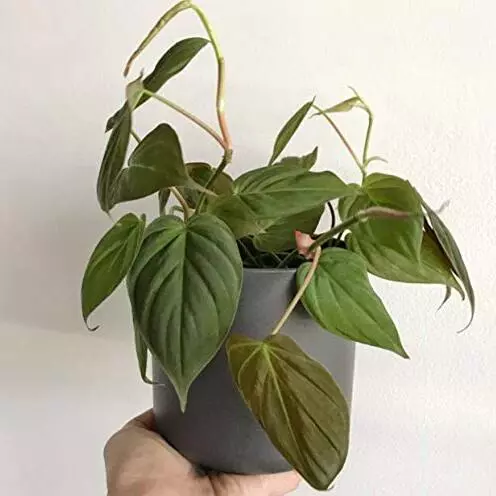
Original price was: ₹650.00.₹99.00Current price is: ₹99.00.Add to cartSelling size: A well rooted plant | 2.5″ Pot Included The Philodendron Micans (Philodendron hederaceum ‘Micans’), also known as the Velvet-Leaf Philodendron, is a popular, easy-care trailing or climbing houseplant prized for its unique, velvety, heart-shaped leaves that emerge a beautiful chartreuse/pink and mature to a deep, iridescent, bronze-green with hints of purple. Here is …
-
Philodendron Xanadu
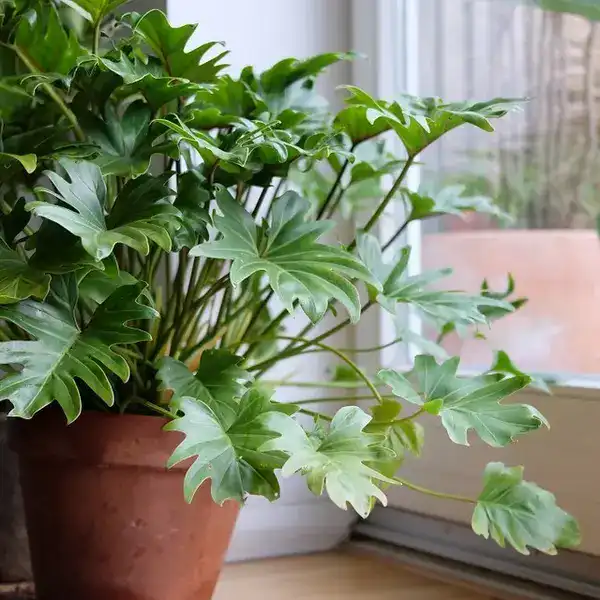
Original price was: ₹450.00.₹199.00Current price is: ₹199.00.Add to cartSelling size:Well rooted plant | 2.5″ Pot Included | Secure Packing The Philodendron Xanadu, now officially classified as Thaumatophyllum xanadu, is a fantastic and relatively easy-to-care-for houseplant. It’s known for its compact, bushy growth habit and deeply lobed, glossy green leaves that give it a sophisticated, tropical look. Here is a complete guide to caring …
-
Lemon Button Fern Plant
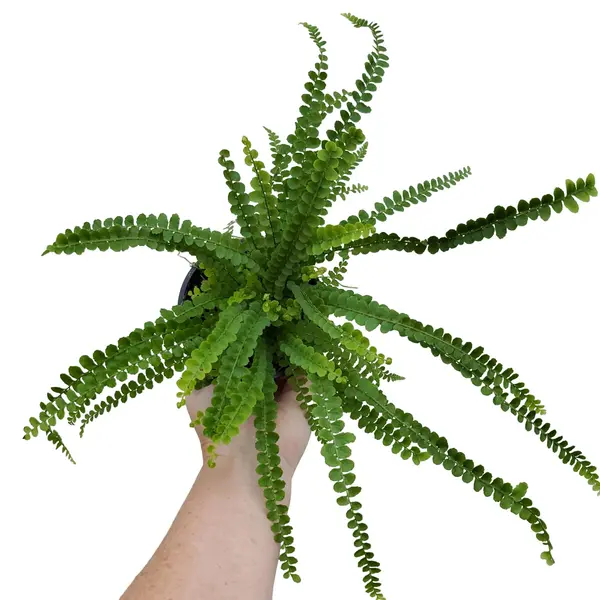
Original price was: ₹539.00.₹179.00Current price is: ₹179.00.Add to cartSelling Size: Single plant | 2.5″ Pot Included The Lemon Button Fern (Nephrolepis cordifolia ‘Duffii’) is a popular and relatively easy-to-care-for fern. It’s known for its compact, arching fronds with small, button-like leaves and a subtle, lemony scent when you brush against them. Unlike some ferns, it’s a bit more forgiving of indoor conditions, making …
-
Chlorophytum Spider Live Plant
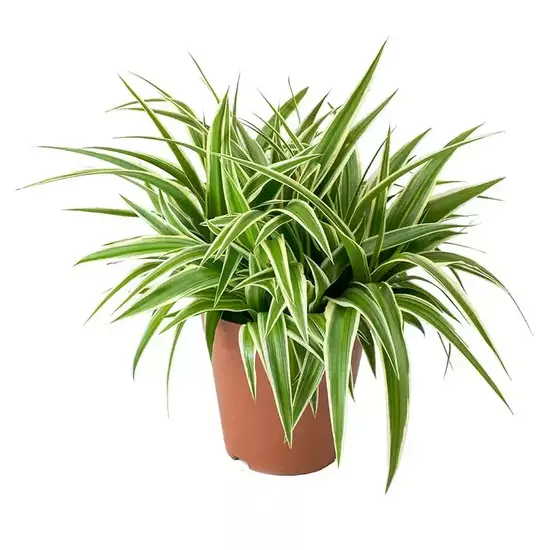
Original price was: ₹249.00.₹99.00Current price is: ₹99.00.Add to cartSelling size: Well rooted Single plant | 2.5″ Pot included Chlorophytum Spider, also the Spider Plant is an impressive houseplant which is the perfect plant for any beginner. A NASA certified air purifier, its long, green foliage with white variegations look good in both hanging planters and as desktop setups. In favourable conditions, it blooms …
-
Wandering Jew Plant
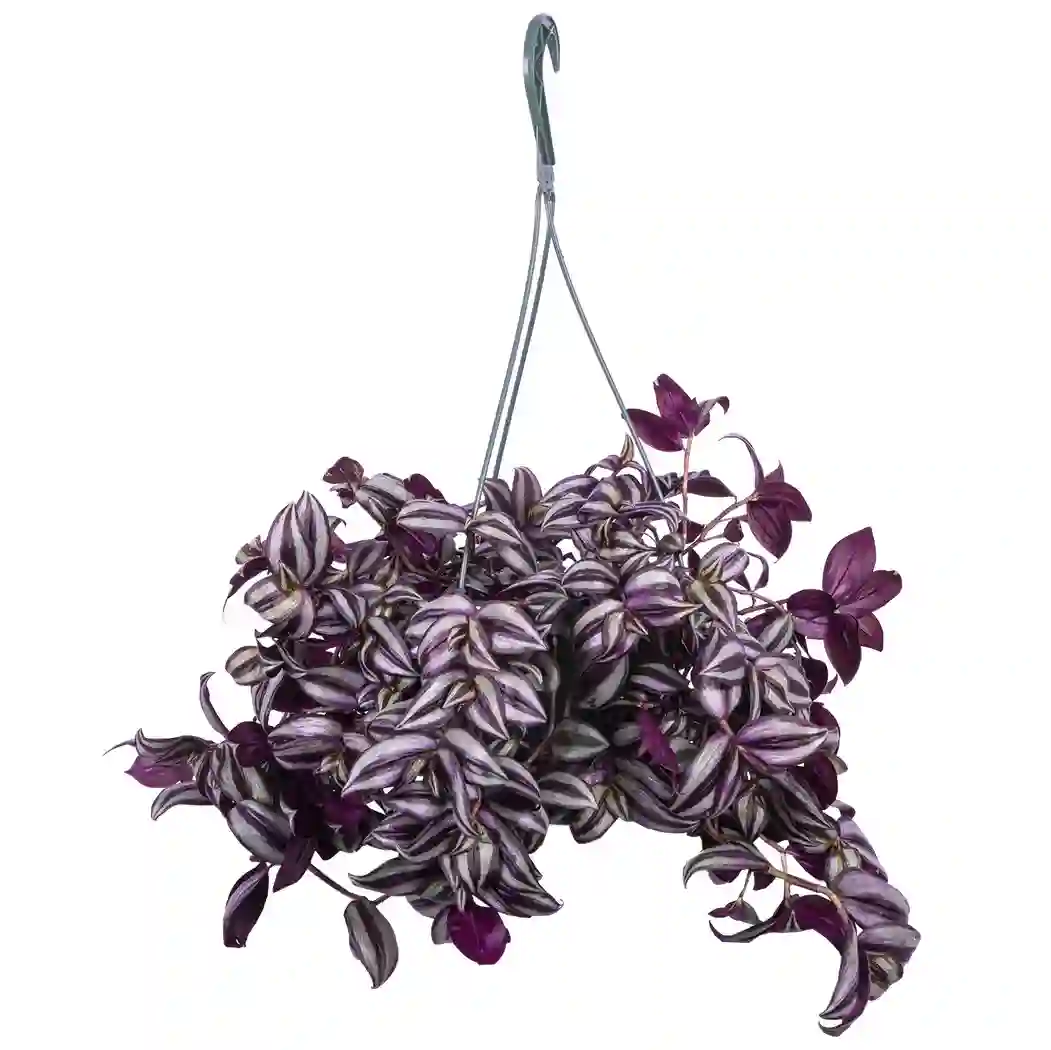
Original price was: ₹305.00.₹149.00Current price is: ₹149.00.Add to cartSelling size: This plant comes in a 2.5″ Square pot The Wandering Jew Plant, also known as the Tradescantia! They’re such vibrant and easy-to-love plants. To keep yours thriving, here’s a rundown of Wandering Jew Plant care needs: Light: They absolutely love bright, indirect sunlight. Think of a spot near an east- or west-facing window …
-
Philodendron Burle Marx Plant
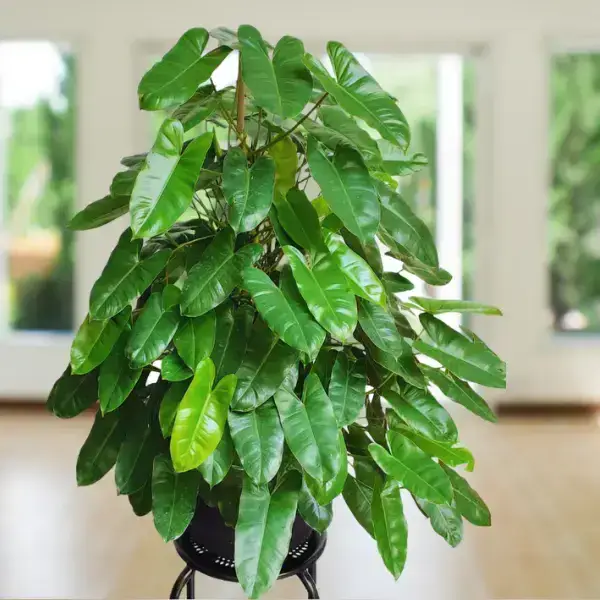
Original price was: ₹485.00.₹149.00Current price is: ₹149.00.Add to cartSelling size: Single plant | Pot Included | Secure Packing The Philodendron Burle Marx is a fantastic and relatively easy-to-care-for plant, known for its glossy, spade-shaped leaves and dense, clumping growth. It’s often recommended as a great choice for beginner houseplant owners. Here is a comprehensive care guide for your Philodendron Burle Marx: Light …
-
Pilea involucrata ‘Norfolk’ – Friendship Plant
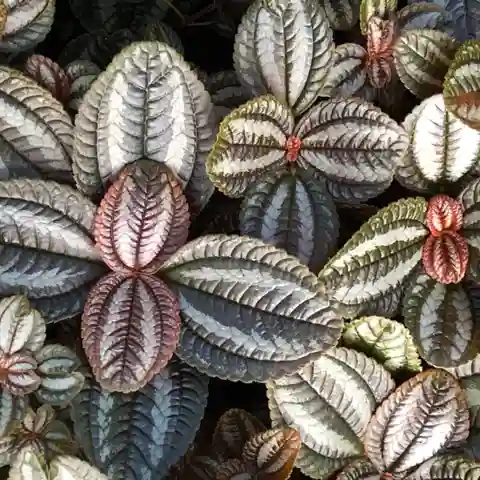
Original price was: ₹450.00.₹199.00Current price is: ₹199.00.Add to cartSize: Single Plant | 2.5″ Pot Included | Free Shipping The Pilea involucrata ‘Norfolk’, commonly known as the Friendship Plant, is a delightful houseplant celebrated for its unique, velvety, quilted foliage. The leaves have a rich texture and a beautiful color palette, with deep green and bronze tones on the upper surface and a reddish-purple …
 If you need any assistance, I'm always here. Have you found what you were looking for?
Janie Niemeyer –
Awsome Plant Received
Marie Kaup –
Nice