
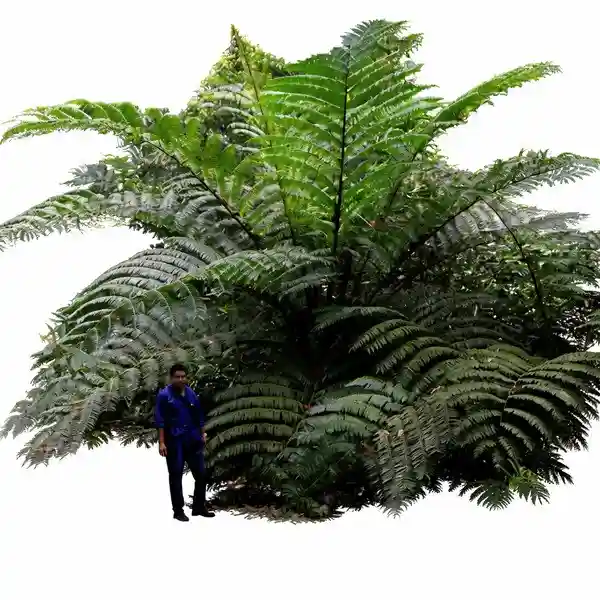
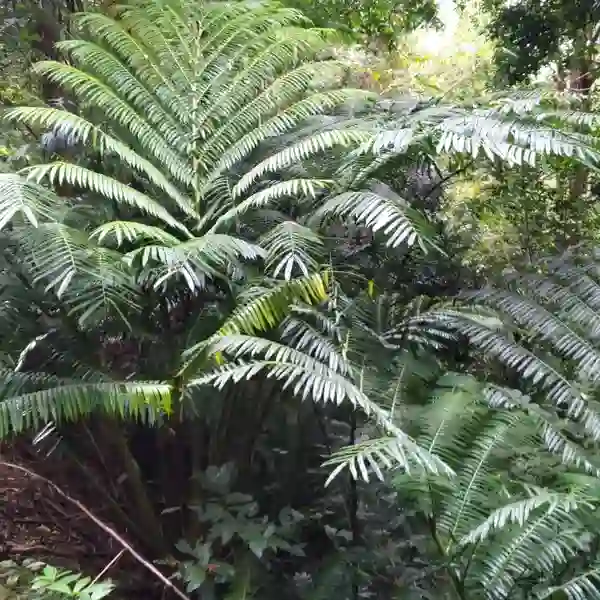
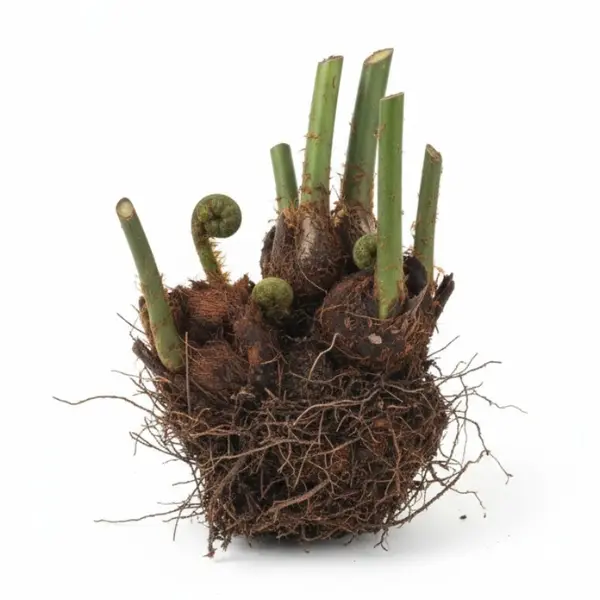
King Fern
Original price was: ₹1,000.00.₹649.00Current price is: ₹649.00.
Selling Size : A Bulb | Secure Packing
King Fern is a striking foliage plant valued for its bold, textured leaves and lush, tropical appearance. It grows well indoors when given the right balance of light, moisture, and humidity.

Here is a complete care guide for King Fern :
King Fern prefers bright, indirect light. Place it near an east- or north-facing window where it receives filtered sunlight. It can also grow under grow lights. Avoid strong direct sun, especially afternoon sun, because it can scorch the leaves and cause browning or fading. Too little light will slow growth and make the plant look dull and stretched. If the fronds lose their deep green color, move the plant slightly closer to a light source.
Watering is very important for King Fern. The soil should stay consistently moist but never soggy. Ferns do not like to dry out completely. Check the top 2–3 cm of soil with your finger — if it feels slightly dry, water thoroughly until excess water drains from the bottom. Do not let the pot sit in standing water, as this can cause root rot. During hot weather, watering may be needed more frequently. In cooler months, reduce watering slightly but never allow full dryness.
High humidity helps King Fern thrive. Aim for humidity above 60% if possible. Dry air can cause leaf edges to turn brown and crispy. You can increase humidity by misting lightly, placing the pot on a pebble tray with water, grouping plants together, or using a humidifier. Bathrooms and kitchens with good light are often excellent spots because of naturally higher humidity.
King Fern grows best in a well-draining but moisture-retentive soil mix. A good mix can include coco peat or peat moss, compost, and perlite or orchid bark for aeration. The soil should hold moisture while still allowing air to reach the roots. Avoid heavy garden soil that compacts easily. Repot when the plant becomes root-bound, usually every 1–2 years. Choose a pot only one size larger to prevent overwatering problems.

Ideal temperature for King Fern is between 18°C and 27°C. It enjoys stable indoor temperatures and should be kept away from cold drafts, air conditioners, and heaters. Sudden temperature drops can shock the plant and damage the fronds. If temperatures fall below 15°C, growth may slow and stress symptoms may appear.
Feed King Fern with a mild, balanced liquid fertilizer diluted to half strength. Apply once every 4–6 weeks during the active growing season (spring and monsoon). Do not overfertilize, as ferns are sensitive to salt buildup and can develop leaf burn. It is better to underfeed than overfeed. Flush the soil occasionally with plain water to remove excess fertilizer salts.
Pruning and maintenance are simple. Remove yellow, brown, or damaged fronds by cutting them at the base with clean scissors. This keeps the plant neat and encourages fresh growth. Wipe dust gently from leaves with a damp cloth to keep them breathing well and looking glossy.
Common problems include brown tips (usually from low humidity or underwatering), yellowing leaves (overwatering or poor drainage), and pale leaves (too much direct sun or nutrient deficiency). Check care conditions step by step and adjust gradually.

King Fern can be propagated by division when repotting. Gently separate the root clump into sections, making sure each part has roots and fronds, then pot them individually in fresh mix and keep them humid until established.
With steady moisture, soft light, warm temperatures, and high humidity, King Fern will reward you with bold, tropical foliage and steady growth indoors.
| Color | |
|---|---|
| Colour | |
| Price | |
| Type |
Related products
-
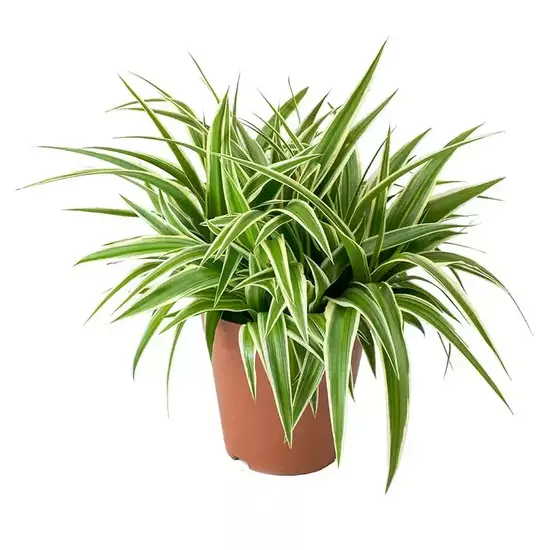
Chlorophytum Spider Live Plant
Original price was: ₹249.00.₹99.00Current price is: ₹99.00.Add to cartSelling size: Well rooted Single plant | 2.5″ Pot included Chlorophytum Spider, also the Spider Plant is an impressive houseplant which is the perfect plant for any beginner. A NASA certified air purifier, its long, green foliage with white variegations look good in both hanging planters and as desktop setups. In favourable conditions, it blooms …
-
Black zz plant, Raven ZZ Plant
Select options This product has multiple variants. The options may be chosen on the product pageSelling size: Please Choose (Single – Bushy) | 2.5″-5” Pot Included | Secure Packing The Black ZZ Plant, or Raven ZZ Plant (Zamioculcas zamiifolia ‘Raven’), is a popular, exceptionally resilient houseplant known for its striking, nearly black foliage. It shares the easy-care nature of the standard green ZZ plant, making it perfect for beginners or …
-
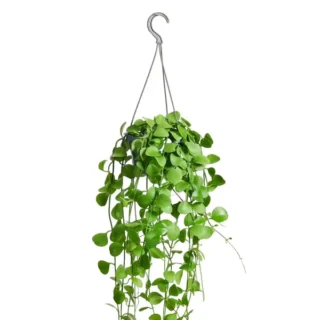
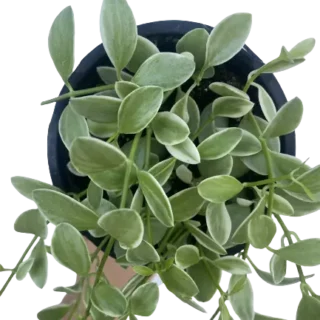
Dischidia Oiantha plant
Original price was: ₹695.00.₹375.00Current price is: ₹375.00.Add to cartPlant Size: Single plant | 2.5″ Pot Included | Free Shipping | Secure Packing The Dischidia oiantha, often referred to as a “Hoya cousin,” is a charming, easy-to-care-for epiphyte with trailing vines and small, oval, succulent-like leaves. It’s a great choice for hanging baskets or for adding a touch of whimsy to a shelf. Here …
-
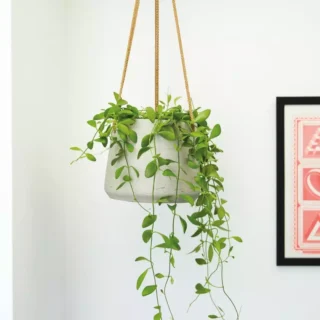
String Of Nickels (Dischidia nummularia)
Select options This product has multiple variants. The options may be chosen on the product pageSelling size: Well rooted plant in a Jiffy bag The Dischidia nummularia, commonly known as the String of Nickels or Button Orchid, is a delightful and easy-to-care-for trailing epiphyte. Its common name comes from its small, round, coin-shaped leaves that densely cover its long, slender stems. As a relative of the Hoya, it shares a …
-
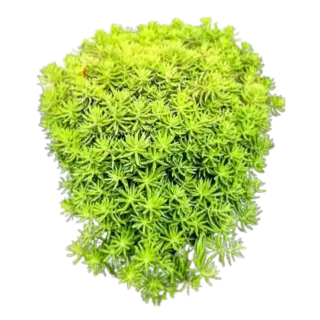
Golden Sedum Plant
Original price was: ₹549.00.₹349.00Current price is: ₹349.00.Add to cartSelling size: Well rooted plan | 2.5″ pot included The Golden Sedum (Sedum adolphii) is a popular succulent known for its bright, fleshy, evergreen leaves that can take on a beautiful golden-yellow or even reddish-pink tint in bright sun. It has a trailing or spreading growth habit, making it a great choice for hanging baskets, …
-
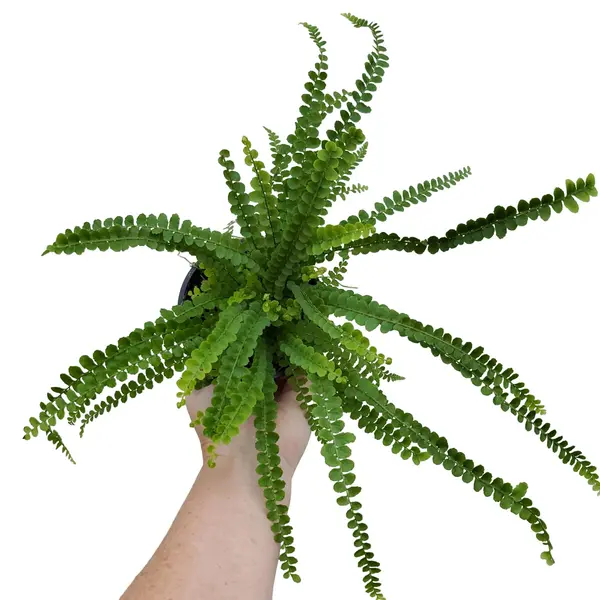
Lemon Button Fern Plant
Original price was: ₹539.00.₹179.00Current price is: ₹179.00.Add to cartSelling Size: Single plant | 2.5″ Pot Included The Lemon Button Fern (Nephrolepis cordifolia ‘Duffii’) is a popular and relatively easy-to-care-for fern. It’s known for its compact, arching fronds with small, button-like leaves and a subtle, lemony scent when you brush against them. Unlike some ferns, it’s a bit more forgiving of indoor conditions, making …
-
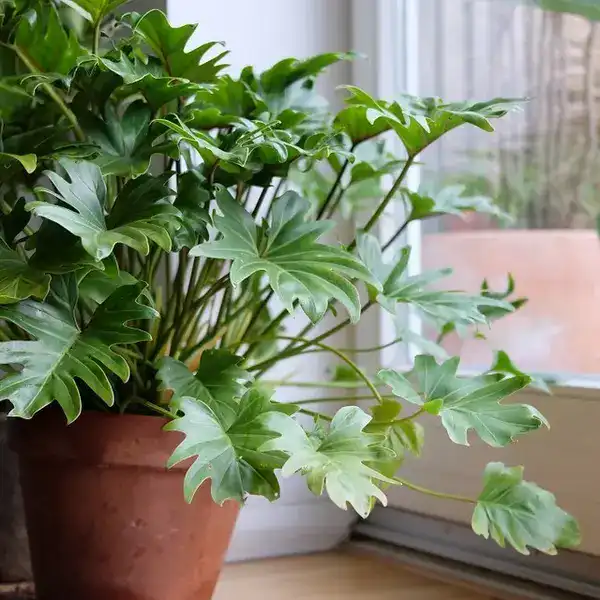
Philodendron Xanadu
Original price was: ₹450.00.₹199.00Current price is: ₹199.00.Add to cartSelling size:Well rooted plant | 2.5″ Pot Included | Secure Packing The Philodendron Xanadu, now officially classified as Thaumatophyllum xanadu, is a fantastic and relatively easy-to-care-for houseplant. It’s known for its compact, bushy growth habit and deeply lobed, glossy green leaves that give it a sophisticated, tropical look. Here is a complete guide to caring …
 If you need any assistance, I'm always here. Have you found what you were looking for?