
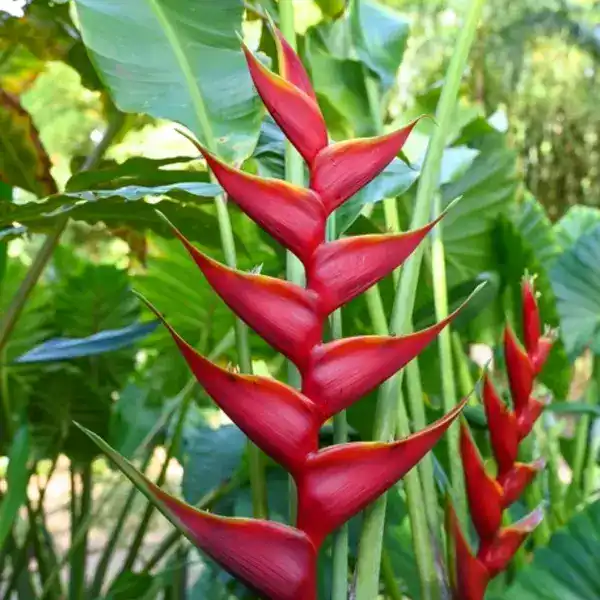
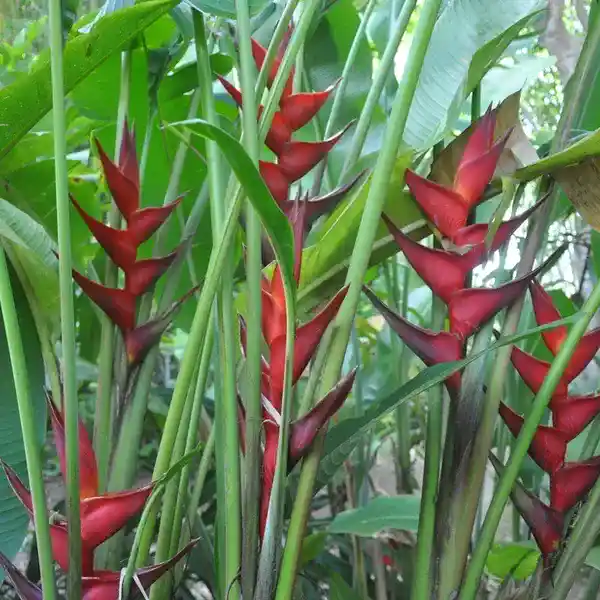

Heliconia Black Cherry
₹1.00
Out of stock
Email when stock available
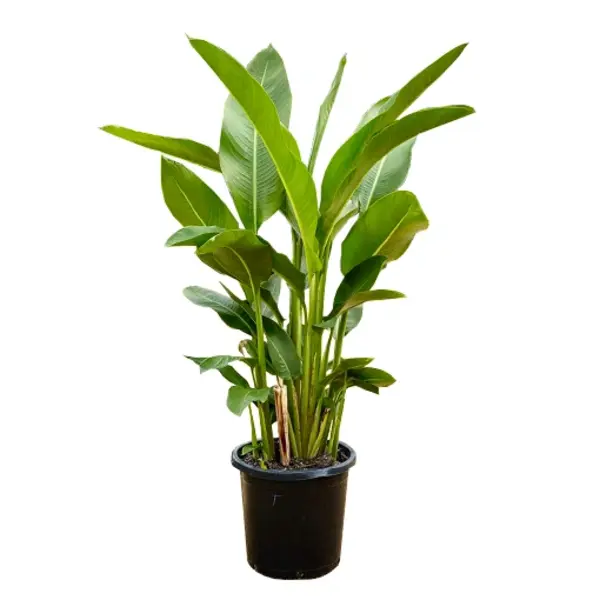
Selling Size : Single Plant | Pot Included | Secure Packing
The ‘Heliconia Black Cherry‘ (often a hybrid of Heliconia bihai and Heliconia caribaea, or sometimes a cultivar of Heliconia psittacorum) is a stunning tropical plant known for its dramatic, dark burgundy to cherry-red bracts. Its care is similar to other large Heliconias, focusing on replicating its native tropical environment.
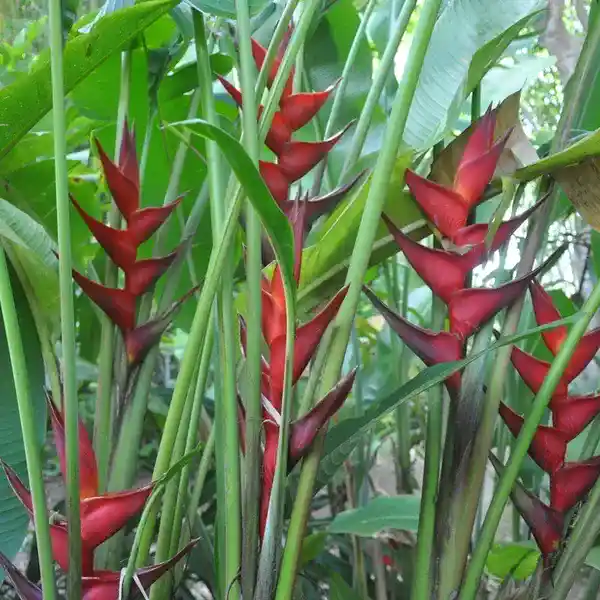
Here is a guide to caring for your Heliconia Black Cherry:
1. Light Requirements
- Ideal: Full sun to partial shade. For the most prolific blooms and strong growth, aim for a position with morning sun and protection from intense afternoon sun (partial shade/filtered light).
- Protection: Position it in a sheltered spot outdoors, as strong winds can shred the large, banana-like leaves.
2. Temperature and Climate
- Climate: Thrives in tropical and subtropical climates (USDA Zones 10-13, or equivalent warm, frost-free areas).
- Temperature: Prefers warmth and high heat. It is not frost-tolerant, and exposure to cold temperatures below () can be damaging.
- Cooler Climates: If you live in a temperate zone, grow it in a large container so it can be moved to a sheltered area, greenhouse, or indoors during the winter.
3. Watering and Humidity
- Watering: Heliconias are thirsty plants. The soil must be consistently moist but never waterlogged or soggy.
- Water deeply and regularly, especially during the warm growing season.
- Ensure the soil has excellent drainage to prevent root rot, which is a common issue from overwatering.
- Humidity: It requires high humidity (ideally 60%+). In dry environments, leaf margins may turn brown.
4. Soil and Planting
- Soil: Use a rich, fertile, well-draining soil with a high content of organic matter (like compost or well-aged manure).
- pH: Prefers a slightly acidic to neutral soil (pH 6.0–7.0).
- Planting: Plant the rhizomes 4-6 inches (10-15 cm) deep.
- Spacing: Allow () between plants to ensure adequate air circulation and room for clumping.
- Containers: Use a high-quality potting mix with good drainage in a large, heavy pot.
5. Fertilizing
- Schedule: Feed regularly during the active growing season (spring through autumn). Heliconias are heavy feeders.
- Type: Use a balanced, slow-release tropical fertilizer or a liquid fertilizer (e.g., NPK 20-20-20) every 4-6 weeks during summer.
- Tip: Fertilizers rich in phosphorus and potassium are often recommended to support prolific flowering.
6. Pruning and Maintenance
- Spent Stems: Heliconias bloom on a stalk (pseudostem) only once. Once the flower bracts fade, cut the entire stem down to the base to make room for new shoots (which will produce the next flowers).
- Foliage: Remove any yellowing, damaged, or dead leaves to keep the plant tidy and improve air circulation.
- Clump Division: Since it has a clumping habit, you may need to divide the rhizomes every 3-4 years to prevent overcrowding and maintain plant vigor. This is best done in the spring.
7. Pests and Problems
- Pests: Generally low-maintenance, but occasionally check for common pests like spider mites, aphids, mealybugs, or scale. Treat with horticultural oil or insecticidal soap as needed.
- Key Warning: Overwatering that leads to soggy soil is the most common cause of root rot, which can kill the plant. Ensure drainage is always optimal.
| Color | |
|---|---|
| Colour | |
| Price | |
| Type |
Only logged in customers who have purchased this product may leave a review.
Related products
-
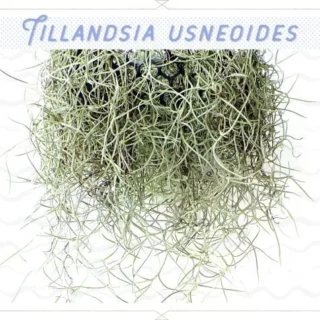
Spanish Moss Air Plant
Price range: ₹49.00 through ₹525.00Select options This product has multiple variants. The options may be chosen on the product pageSelling size: PLEASE CHOOSE Spanish Moss Air Plant – CARE INSTRUCTIONS Scientific name: Tillandsia usneoides Synonyms: Old man’s beard, Spanish Moss, French Hair, Spanish Beard Spanish Moss is a delicate silvery-grey air plant that is often used to hang in trees or as a gorgeous decor piece without the need for soil. Despite its name, Spanish Moss …
-
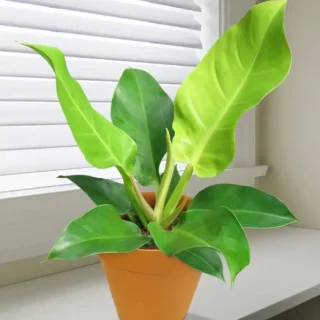
Philodendron Moonshine
Original price was: ₹1,250.00.₹249.00Current price is: ₹249.00.Add to cartSelling size: Single plant | Pot included | Secure Packing The Philodendron Moonshine (often also called ‘Moonlight’) is a popular hybrid known for its vibrant, almost glowing, chartreuse-colored leaves. It has an upright, self-heading growth habit, so unlike many vining philodendrons, it doesn’t need a trellis or pole. Here is a comprehensive guide to caring …
-

Calathiya Rattlesnake Plant
Select options This product has multiple variants. The options may be chosen on the product pageSelling size: Please Choose | Secure Packing | 2.5″-4″ Pot Included Calathiya rattlesnake is a plant easy to care for. However, there are a few measures and precautions you need to take to grow and maintain yours. Here’s a comprehensive guide for rattlesnake plant : Light Calathea Lancifolia prefers bright, indirect light. Like most variegated …
-
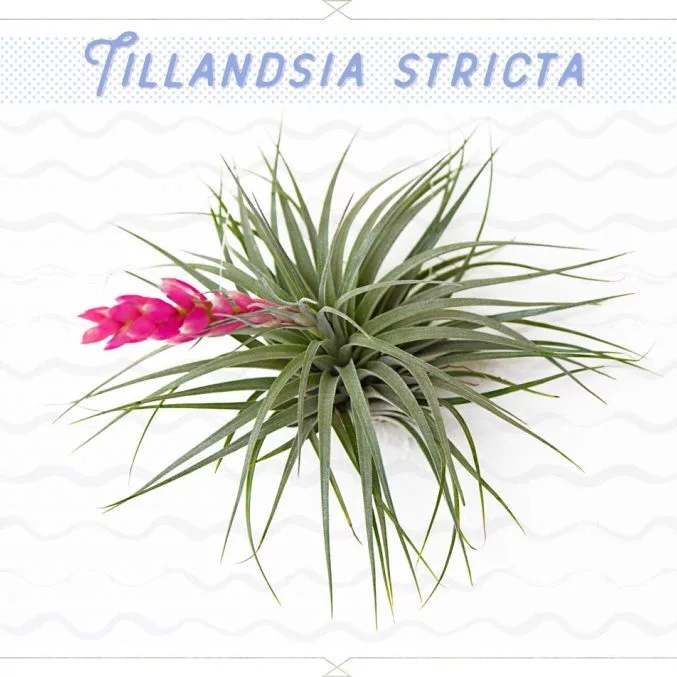
Tillandsia Stricta (Air plant)
Original price was: ₹400.00.₹199.00Current price is: ₹199.00.Add to cartSelling size: Single plant | Secure Packing The Tillandsia Stricta (Air plant) is one of the most popular and adaptable species of air plants, known for its soft, green-silver foliage and beautiful blooms. Like all air plants, it is epiphytic, meaning it absorbs all its water and nutrients through its leaves from the air, not …
-
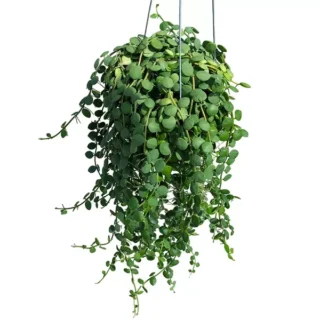
Dischidia nummularia (Pebble Beach/ Button Orchid)
Original price was: ₹655.00.₹375.00Current price is: ₹375.00.Add to cartPlant Size: Single plant | 2.5″ Pot Included | Free Shipping he Dischidia nummularia, commonly known as the String of Nickels, Pebble Beach plant, or Button Orchid, is a charming epiphyte with trailing stems covered in small, round, succulent-like leaves. It’s a great choice for hanging baskets and is known for being relatively easy to …
-
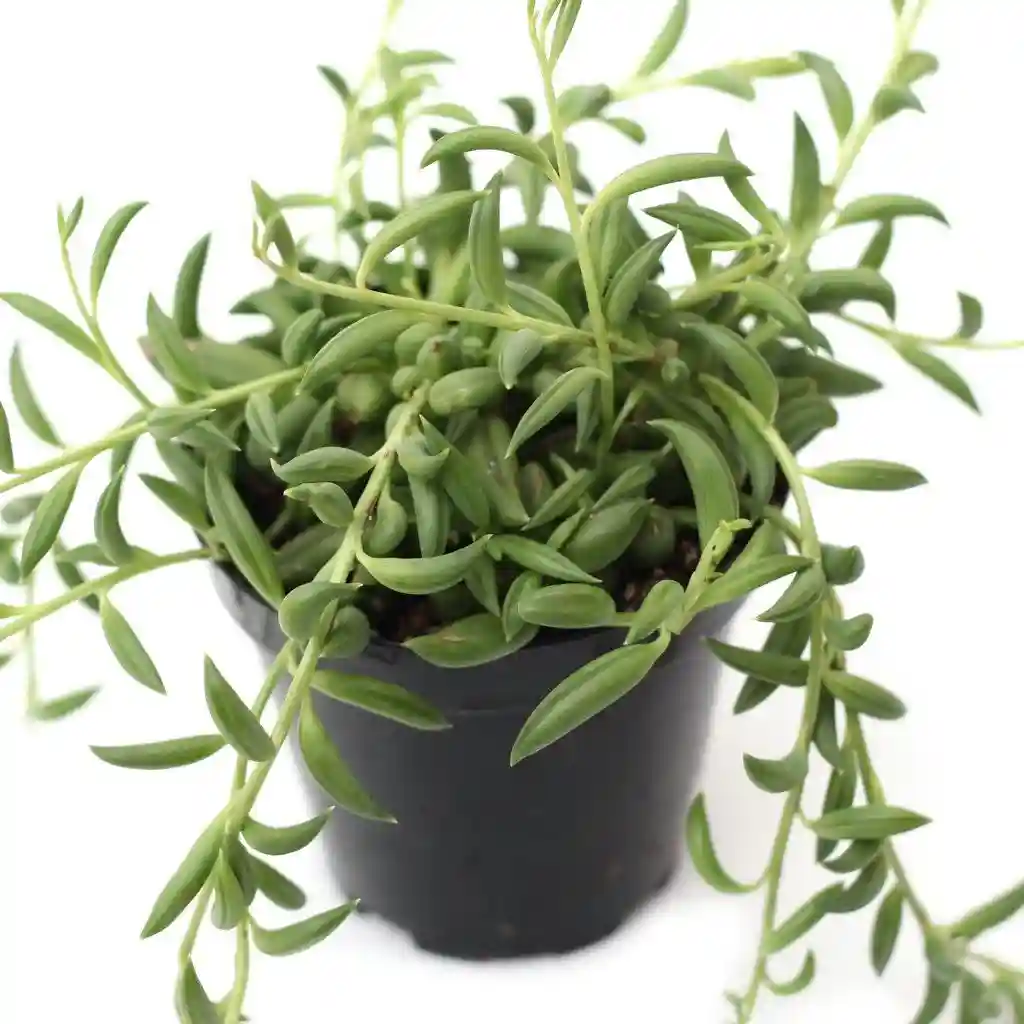
String of Bananas
Original price was: ₹450.00.₹249.00Current price is: ₹249.00.Add to cartSelling size: Mentioned in last Picture | Secure Packing The String of Bananas (Curio radicans or Senecio radicans) is a charming trailing succulent known for its long, cascading stems covered in plump, banana-shaped leaves. It’s a popular choice for hanging baskets and is generally easy to care for, especially for those who are new …
-
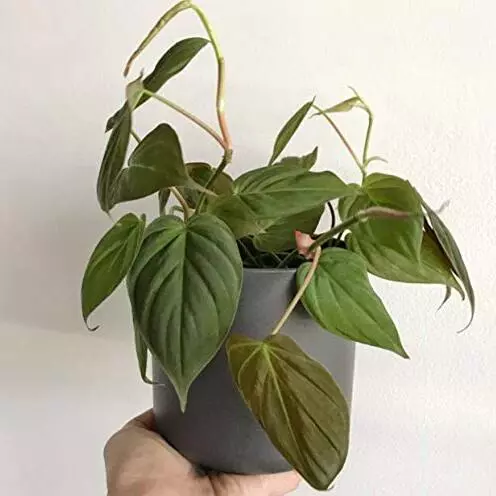
Philodendron Mican plant
Original price was: ₹650.00.₹99.00Current price is: ₹99.00.Add to cartSelling size: A well rooted plant | 2.5″ Pot Included The Philodendron Micans (Philodendron hederaceum ‘Micans’), also known as the Velvet-Leaf Philodendron, is a popular, easy-care trailing or climbing houseplant prized for its unique, velvety, heart-shaped leaves that emerge a beautiful chartreuse/pink and mature to a deep, iridescent, bronze-green with hints of purple. Here is …
-
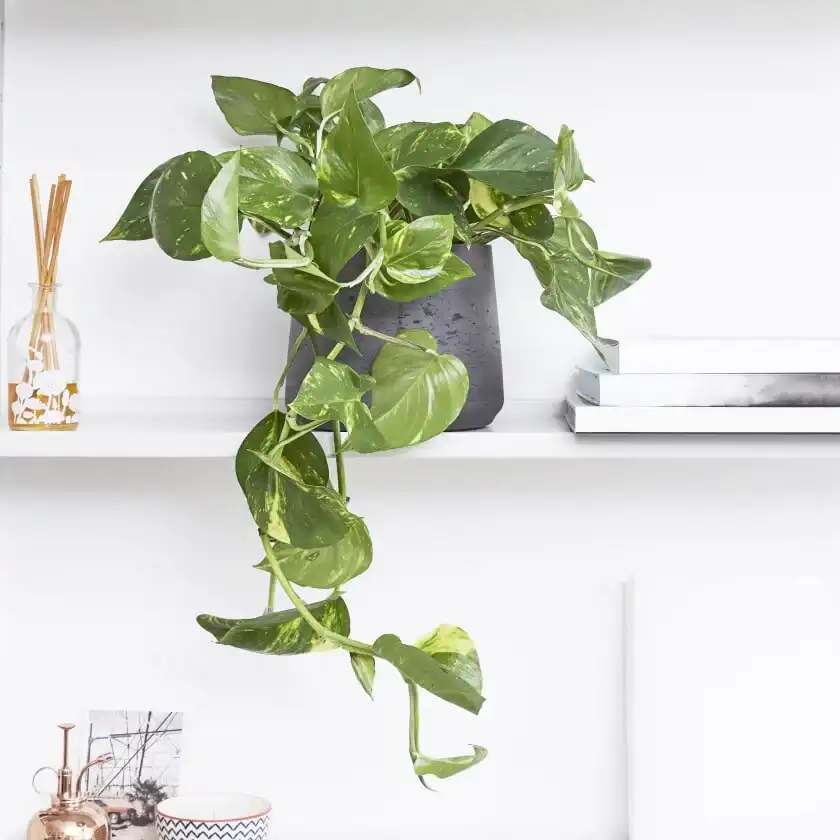
Golden Pothos
Original price was: ₹355.00.₹99.00Current price is: ₹99.00.Add to cartSelling size : Well rooted plant | 2.5″ pot included The Golden Pothos (Epipremnum aureum), also known as Devil’s Ivy, is one of the most popular and easiest houseplants to care for, making it an excellent choice for beginners. It’s a vining plant with heart-shaped leaves that are a vibrant green, often with splashes or …
 If you need any assistance, I'm always here. Have you found what you were looking for?
Reviews
There are no reviews yet.