
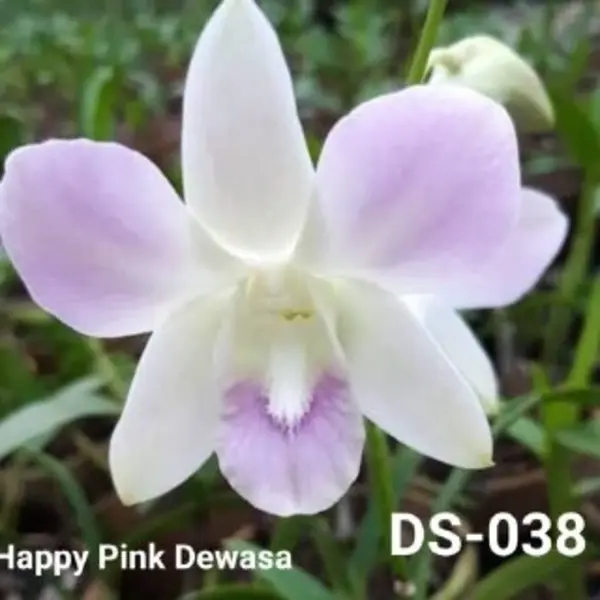
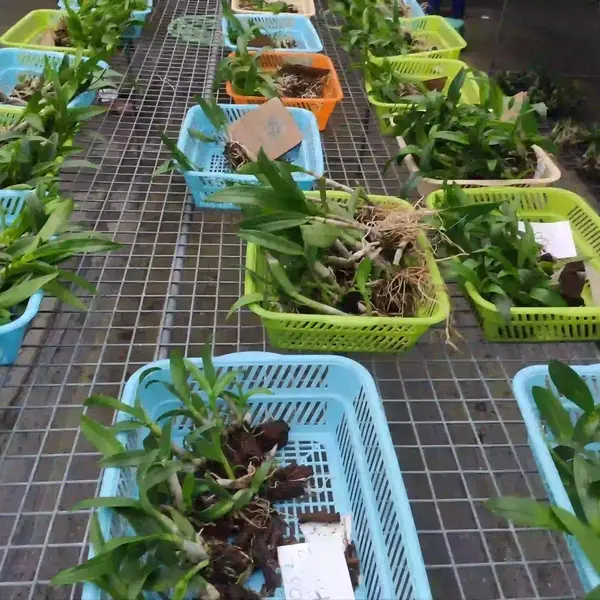
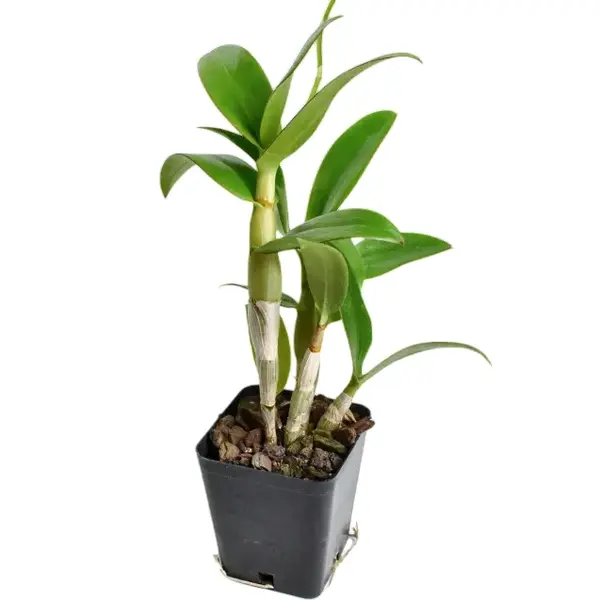
Dendrobium (ds-038)
₹275.00
selling size:single plant
Selling Size : Single Plant | Secure Packing
Here’s the detailed care guide for Dendrobium (ds-038) — a beautiful and hardy hybrid variety admired for its upright canes, vibrant blooms, and easy adaptability 🌸🌿

Here’s the detailed care guide for Dendrobium (ds-038):
🌿 General Overview
Botanical Name: Dendrobium spp. (Hybrid DS-038)
Common Name: Dendrobium Orchid
Type: Epiphytic perennial orchid
Growth Habit: Upright canes (pseudobulbs) with alternating leaves and clusters of showy flowers
Flower Color (DS-038): Usually bright purple, white, or pink — depending on the hybrid
☀️ Light
-
Requires bright, indirect sunlight for strong growth and abundant blooms.
-
Can tolerate mild morning or evening sunlight, but avoid direct midday rays.
-
If leaves turn dark green, it needs more light; if yellowish, reduce light exposure.
✅ Ideal location: Near an east or north-facing window or bright shaded balcony.
💧 Watering
-
Water 2–3 times per week during warm months.
-
Let the top layer (2–3 cm) of the potting medium dry before the next watering.
-
Reduce watering to once a week in winter or during dormancy.
💡 Tip: Avoid standing water — Dendrobiums prefer slight dryness between waterings.
🌡️ Temperature
-
Ideal range: 18–30°C
-
A cooler night temperature (5–7°C lower) helps trigger flower spikes.
-
Avoid exposure below 12°C or cold air drafts.

🌫️ Humidity
-
Prefers 50–70% humidity.
-
Mist lightly in dry conditions or use a pebble tray beneath the pot.
-
Ensure good air circulation to prevent fungal issues.
🌱 Potting Medium
-
Use a chunky, well-draining orchid mix:
-
50% orchid bark + 25% charcoal + 25% coco chips or perlite.
-
-
Roots need airflow; avoid compact soil.
-
Transparent or slotted orchid pots help monitor root health.
🌸 Fertilizer
-
Feed every 2–3 weeks during active growth (spring–autumn).
-
Use a balanced orchid fertilizer (20-20-20) at ¼–½ strength.
-
Before blooming, switch to a bloom booster (10-30-20).
-
Reduce or stop fertilizing during dormancy.
🪴 Repotting
-
Repot every 2–3 years or when roots crowd the pot.
-
Best done after flowering, when new shoots appear.
-
Trim dead roots and replace with fresh, airy orchid mix.
✂️ After Bloom Care
-
Cut off spent flower spikes but keep green canes intact — they store nutrients.
-
Old canes may produce keikis (baby plants) or help nourish new growth.
-
Continue regular care to support new shoots.
⚠️ Common Problems Dendrobium (ds-038)
| Problem | Cause | Solution |
|---|---|---|
| Yellow leaves | Overwatering or old leaf drop | Adjust watering; remove dead leaves only |
| Wrinkled canes | Underwatering or root damage | Check roots and adjust watering |
| No blooms | Low light or no cool period | Increase light; provide night temp drop |
| Root rot | Poor drainage | Repot in airy orchid mix; trim damaged roots |
🌿 Propagation
-
Keiki propagation:
-
Small baby plants may form on old canes.
-
Once roots reach 4–5 cm, detach and pot separately.
-
Keep in warm, humid conditions until established.
-

🌸 Blooming Tips
-
Provide bright filtered light and nighttime cooling before the flowering season.
-
Use bloom fertilizer (high phosphorus) 4–6 weeks before bloom time.
-
Avoid repotting just before or during bloom — it may abort buds.
-
Stable humidity and airflow improve flower life.
🌼 Quick Care Summary
| Factor | Ideal Condition |
|---|---|
| Light | Bright, indirect light |
| Water | 2–3× weekly (less in winter) |
| Humidity | 50–70% |
| Temperature | 18–30°C |
| Fertilizer | Every 2–3 weeks (half strength) |
| Repotting | Every 2–3 years |
| Propagation | Keikis or division |
Only logged in customers who have purchased this product may leave a review.
Related products
-
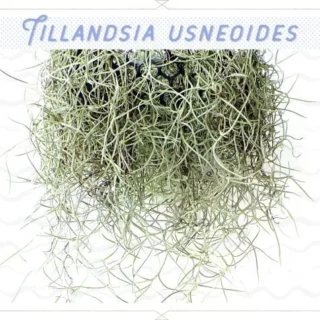
Spanish Moss Air Plant
Price range: ₹49.00 through ₹525.00Select options This product has multiple variants. The options may be chosen on the product pageSelling size: PLEASE CHOOSE Spanish Moss Air Plant – CARE INSTRUCTIONS Scientific name: Tillandsia usneoides Synonyms: Old man’s beard, Spanish Moss, French Hair, Spanish Beard Spanish Moss is a delicate silvery-grey air plant that is often used to hang in trees or as a gorgeous decor piece without the need for soil. Despite its name, Spanish Moss …
-
Golden Pothos
Original price was: ₹355.00.₹99.00Current price is: ₹99.00.Add to cartSelling size : Well rooted plant | 2.5″ pot included The Golden Pothos (Epipremnum aureum), also known as Devil’s Ivy, is one of the most popular and easiest houseplants to care for, making it an excellent choice for beginners. It’s a vining plant with heart-shaped leaves that are a vibrant green, often with splashes or …
-
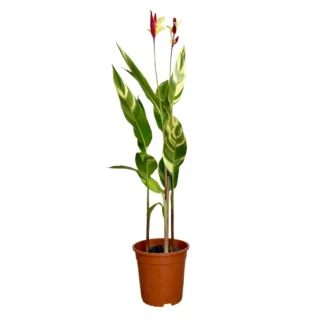
Heliconia Variegated – Super Rare
Original price was: ₹2,599.00.₹1,099.00Current price is: ₹1,099.00.Add to cartPlant size: Single plant | Pot Included | Free shipping The Variegated Heliconia (often a cultivar of Heliconia psittacorum, like ‘Lady Di’ or ‘Golden Torch’) is a striking tropical plant known for its banana-like leaves splashed with stripes of cream, yellow, or white. It is a demanding plant, requiring specific tropical conditions to thrive, especially …
-
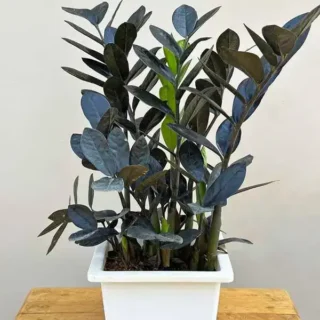
Black zz plant, Raven ZZ Plant
Select options This product has multiple variants. The options may be chosen on the product pageSelling size: Please Choose (Single – Bushy) | 2.5″-5” Pot Included | Secure Packing The Black ZZ Plant, or Raven ZZ Plant (Zamioculcas zamiifolia ‘Raven’), is a popular, exceptionally resilient houseplant known for its striking, nearly black foliage. It shares the easy-care nature of the standard green ZZ plant, making it perfect for beginners or …
-
Chlorophytum Spider Live Plant
Original price was: ₹249.00.₹99.00Current price is: ₹99.00.Add to cartSelling size: Well rooted Single plant | 2.5″ Pot included Chlorophytum Spider, also the Spider Plant is an impressive houseplant which is the perfect plant for any beginner. A NASA certified air purifier, its long, green foliage with white variegations look good in both hanging planters and as desktop setups. In favourable conditions, it blooms …
-
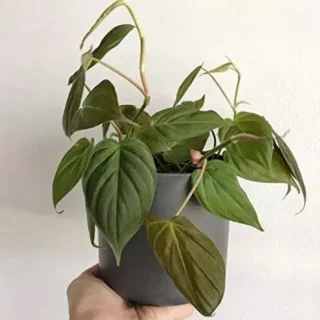
Philodendron Mican plant
Original price was: ₹650.00.₹99.00Current price is: ₹99.00.Add to cartSelling size: A well rooted plant | 2.5″ Pot Included The Philodendron Micans (Philodendron hederaceum ‘Micans’), also known as the Velvet-Leaf Philodendron, is a popular, easy-care trailing or climbing houseplant prized for its unique, velvety, heart-shaped leaves that emerge a beautiful chartreuse/pink and mature to a deep, iridescent, bronze-green with hints of purple. Here is …
-
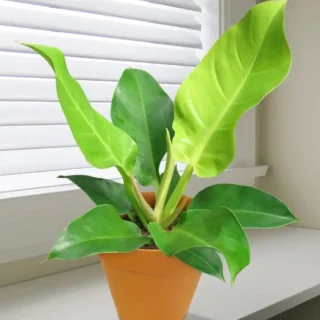
Philodendron Moonshine
Original price was: ₹1,250.00.₹249.00Current price is: ₹249.00.Add to cartSelling size: Single plant | Pot included | Secure Packing The Philodendron Moonshine (often also called ‘Moonlight’) is a popular hybrid known for its vibrant, almost glowing, chartreuse-colored leaves. It has an upright, self-heading growth habit, so unlike many vining philodendrons, it doesn’t need a trellis or pole. Here is a comprehensive guide to caring …



 If you need any assistance, I'm always here. Have you found what you were looking for?
Reviews
There are no reviews yet.