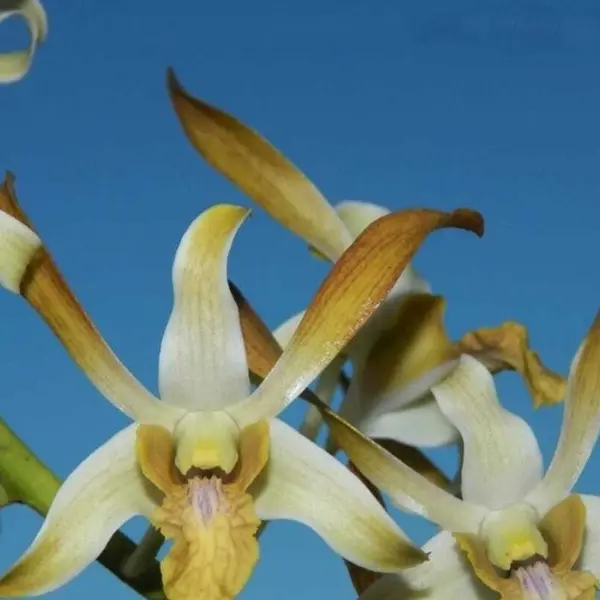
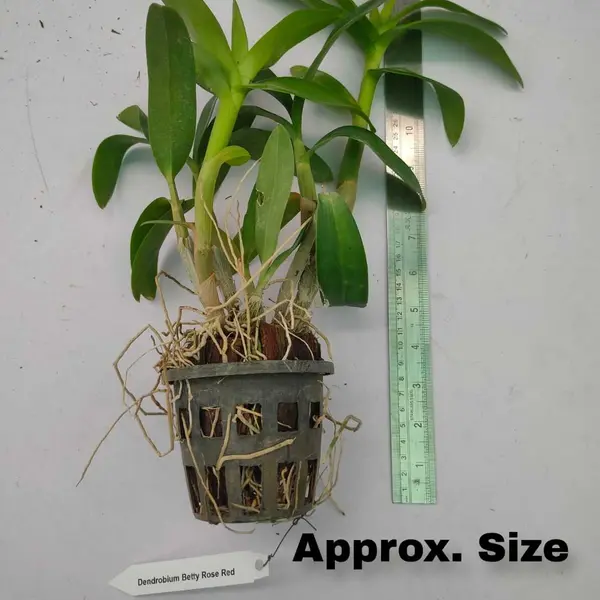
Dendrobium (DS-014)
Original price was: ₹949.00.₹699.00Current price is: ₹699.00.
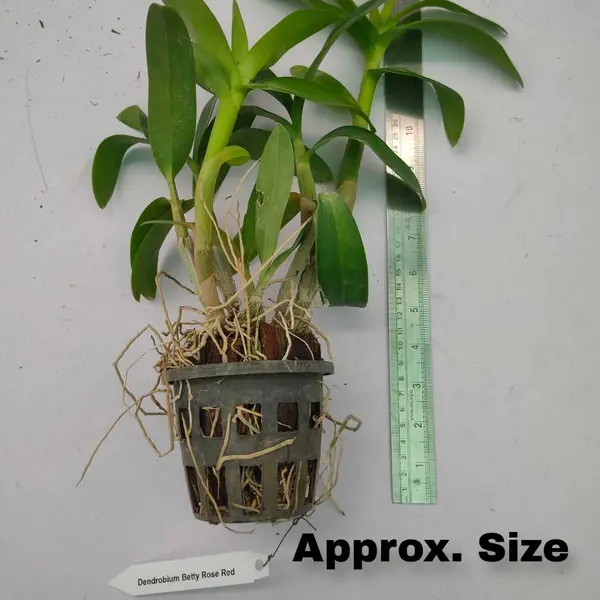
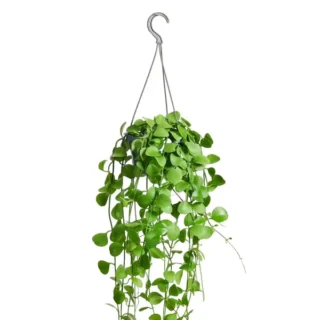
Selling size : Last image | Net pot included | Secure packing
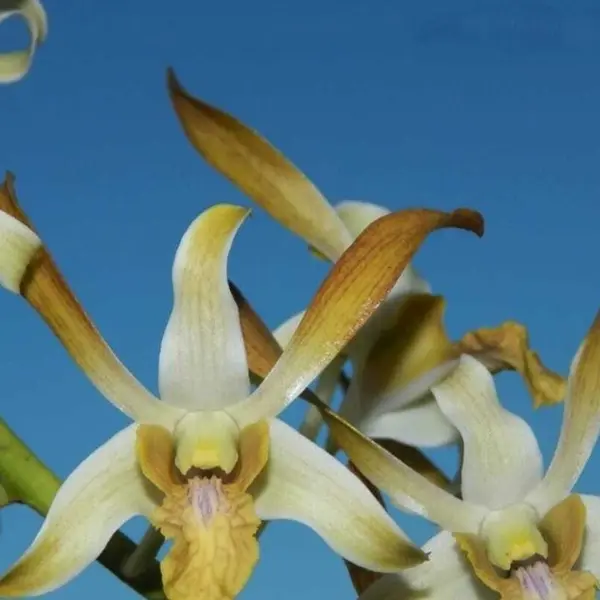
Dendrobium (DS-014) orchids are a diverse and popular genus, known for their beautiful and often long-lasting blooms.
Here’s a general guide care for Dendrobium (DS-014) orchids:
1. Light:
- Dendrobiums generally need bright, indirect light.
- A south or east-facing window is often ideal.
- Too little light can result in weak growth and a lack of flowers. If you notice tiny offshoots (keikis) on young canes, it might indicate insufficient light.
- Be cautious of direct midday sun, which can scorch leaves. A reddish tint on leaves can also indicate too much light.
- If using grow lights, position them about a foot away and provide 12-14 hours of light daily to encourage blooming.
2. Watering:
- Crucial during the growing season (spring and summer): Water regularly, allowing the potting medium to dry out slightly between waterings. Some types might need watering as often as twice a week.
- Less frequent in fall and winter: Many Dendrobiums, especially Dendrobium nobile types, require a winter rest period with significantly reduced watering or even no water at all until new growth appears.
- Check the medium: Stick your finger into the potting mix. If it feels wet, wait. If it’s almost dry, it’s time to water.
- Water thoroughly: Allow water to drain completely through the pot’s drainage holes. Avoid letting the plant sit in standing water, as this can lead to root rot.
- Water quality: Ideally, use distilled water or rainwater to prevent mineral and salt buildup. If using tap water, let it sit for 24 hours to allow chlorine to dissipate. Water at room temperature.
- Signs of improper watering: Yellowing or wilting leaves can indicate both overwatering (leading to root rot) and underwatering (leading to shriveled pseudobulbs).
3. Temperature & Humidity:
- Temperature range: Ideal temperatures for most Dendrobiums are 60-80°F (16-27°C) during the day. Many benefit from a nighttime temperature drop of about 10°F (5-6°C) to help trigger blooming.
- Winter rest: Some types, like Dendrobium nobile, require a cool, dry rest period (around 55°F or 13°C) for several weeks in winter to promote reblooming. Other evergreen types may tolerate slightly lower temperatures but generally do not require a significant temperature drop.
- Humidity: Dendrobiums prefer moderate to high humidity, typically 40-70%. Brown leaf tips can indicate low humidity. You can increase humidity by using a humidity tray (a tray with pebbles and water, ensuring the pot isn’t sitting in the water) or a room humidifier.
- Air circulation: Good air circulation is vital, especially with higher humidity, to prevent fungal and bacterial issues.
4. Potting & Media:
- Pot size: Dendrobiums often prefer to be somewhat root-bound, so use a small pot relative to the plant’s size.
- Potting mix: Use a well-draining orchid potting mix. Common components include fir bark, perlite, and charcoal. The mix should allow for good aeration and drain quickly.
- Repotting: Repot every 1.5 to 2 years, or when the plant outgrows its pot, the potting mix breaks down (losing aeration), or if it starts to smell bad.
- When to repot: The best time is typically in the spring, after blooming, when new root growth is just beginning.
- Process: Gently remove the plant, rinse the root ball, trim any dead or mushy roots, and replant in fresh medium. If dividing, ensure each division has at least 3-4 healthy canes.
5. Fertilizing:
- During active growth: Fertilize regularly during the growing season (spring and summer). A balanced orchid fertilizer (e.g., 20-20-20 NPK) diluted to half or quarter strength every 2-3 weeks is often recommended.
- Before fertilizing: Always water the plant first to moisten the roots and prevent root burn.
- Reduce or stop in winter: For types that have a winter rest period, reduce or stop fertilizing during that time. Evergreen types may still receive occasional, highly diluted fertilizer.
- Flush regularly: Once a month, flush the potting medium with plain water to prevent salt buildup from fertilizers.
6. Reblooming:
- Many Dendrobium species require a cool, drier rest period in the fall or winter to initiate flowering. This often involves lowering temperatures (as mentioned above) and significantly reducing water and fertilizer.
- Ensure adequate light. Suboptimal blooming can be a sign of insufficient light.
By paying attention to these key aspects, you can enjoy healthy and blooming Dendrobium orchids for years to come!
| Color | |
|---|---|
| Colour | |
| Price | |
| Type |
Only logged in customers who have purchased this product may leave a review.
Related products
-
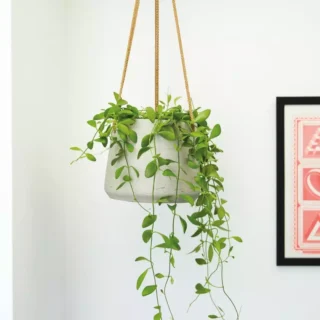
String Of Nickels (Dischidia nummularia)
Select options This product has multiple variants. The options may be chosen on the product pageSelling size: Well rooted plant in a Jiffy bag The Dischidia nummularia, commonly known as the String of Nickels or Button Orchid, is a delightful and easy-to-care-for trailing epiphyte. Its common name comes from its small, round, coin-shaped leaves that densely cover its long, slender stems. As a relative of the Hoya, it shares a …
-
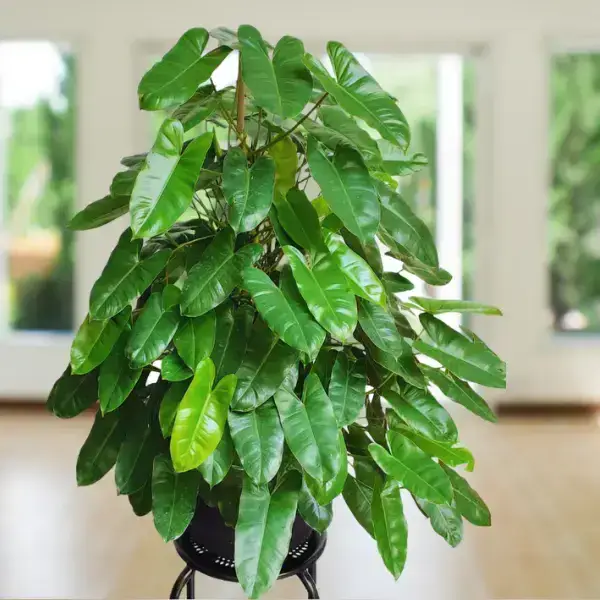
Philodendron Burle Marx Plant
Original price was: ₹485.00.₹149.00Current price is: ₹149.00.Add to cartSelling size: Single plant | Pot Included | Secure Packing The Philodendron Burle Marx is a fantastic and relatively easy-to-care-for plant, known for its glossy, spade-shaped leaves and dense, clumping growth. It’s often recommended as a great choice for beginner houseplant owners. Here is a comprehensive care guide for your Philodendron Burle Marx: Light …
-
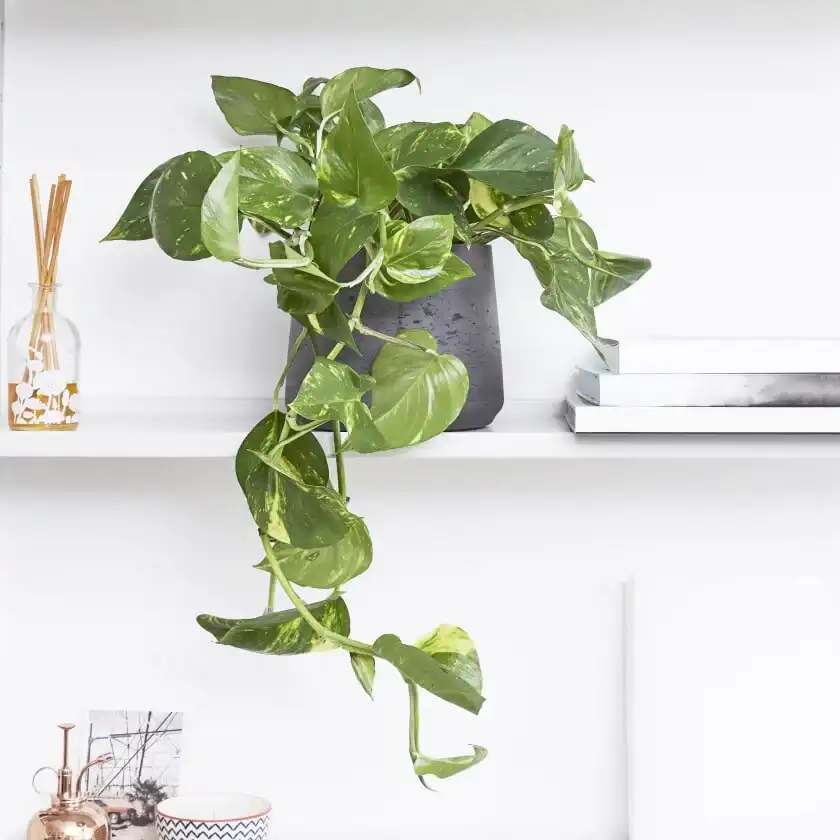
Golden Pothos
Original price was: ₹355.00.₹99.00Current price is: ₹99.00.Add to cartSelling size : Well rooted plant | 2.5″ pot included The Golden Pothos (Epipremnum aureum), also known as Devil’s Ivy, is one of the most popular and easiest houseplants to care for, making it an excellent choice for beginners. It’s a vining plant with heart-shaped leaves that are a vibrant green, often with splashes or …
-
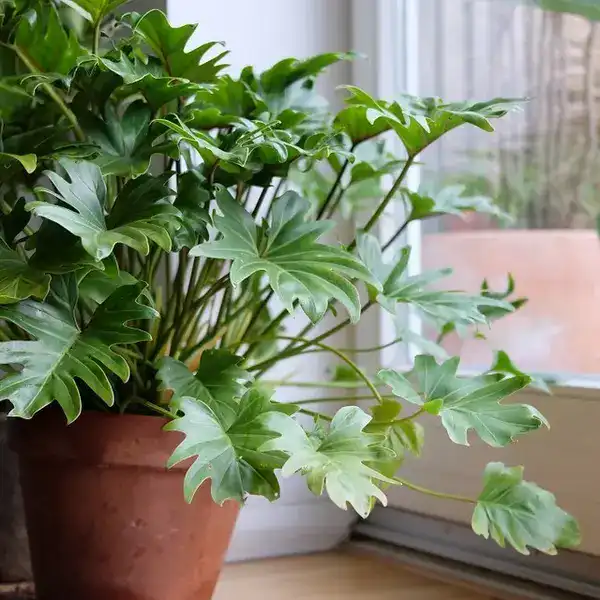
Philodendron Xanadu
Original price was: ₹450.00.₹199.00Current price is: ₹199.00.Add to cartSelling size:Well rooted plant | 2.5″ Pot Included | Secure Packing The Philodendron Xanadu, now officially classified as Thaumatophyllum xanadu, is a fantastic and relatively easy-to-care-for houseplant. It’s known for its compact, bushy growth habit and deeply lobed, glossy green leaves that give it a sophisticated, tropical look. Here is a complete guide to caring …
-
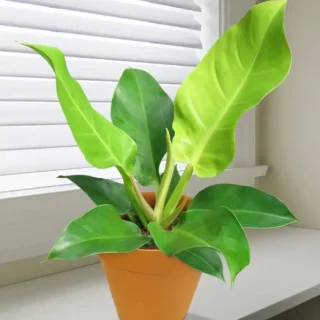
Philodendron Moonshine
Original price was: ₹1,250.00.₹249.00Current price is: ₹249.00.Add to cartSelling size: Single plant | Pot included | Secure Packing The Philodendron Moonshine (often also called ‘Moonlight’) is a popular hybrid known for its vibrant, almost glowing, chartreuse-colored leaves. It has an upright, self-heading growth habit, so unlike many vining philodendrons, it doesn’t need a trellis or pole. Here is a comprehensive guide to caring …
-
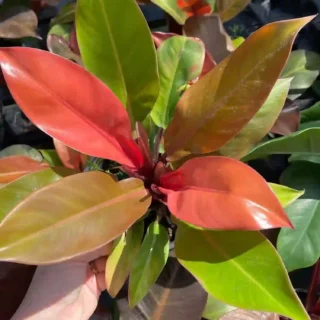
Philodendron ‘Prince of Orange’
Price range: ₹249.00 through ₹620.00Select options This product has multiple variants. The options may be chosen on the product pageSelling Size : Single Plant | Pot Included | Secure Packing The Philodendron ‘Prince of Orange’ is a stunning and popular hybrid known for its vibrant, ever-changing leaf colors. New leaves emerge as a brilliant orange or coppery color, and as they mature, they transition to a lime green, then a deep, glossy green. It …
-
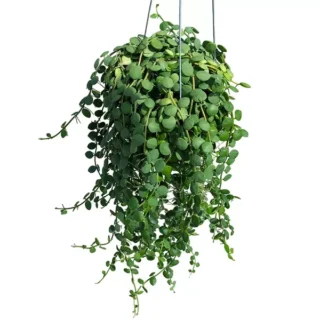
Dischidia nummularia (Pebble Beach/ Button Orchid)
Original price was: ₹655.00.₹375.00Current price is: ₹375.00.Add to cartPlant Size: Single plant | 2.5″ Pot Included | Free Shipping he Dischidia nummularia, commonly known as the String of Nickels, Pebble Beach plant, or Button Orchid, is a charming epiphyte with trailing stems covered in small, round, succulent-like leaves. It’s a great choice for hanging baskets and is known for being relatively easy to …
-
Dischidia Oiantha plant
Original price was: ₹695.00.₹375.00Current price is: ₹375.00.Add to cartPlant Size: Single plant | 2.5″ Pot Included | Free Shipping | Secure Packing The Dischidia oiantha, often referred to as a “Hoya cousin,” is a charming, easy-to-care-for epiphyte with trailing vines and small, oval, succulent-like leaves. It’s a great choice for hanging baskets or for adding a touch of whimsy to a shelf. Here …
 If you need any assistance, I'm always here. Have you found what you were looking for?
Reviews
There are no reviews yet.