
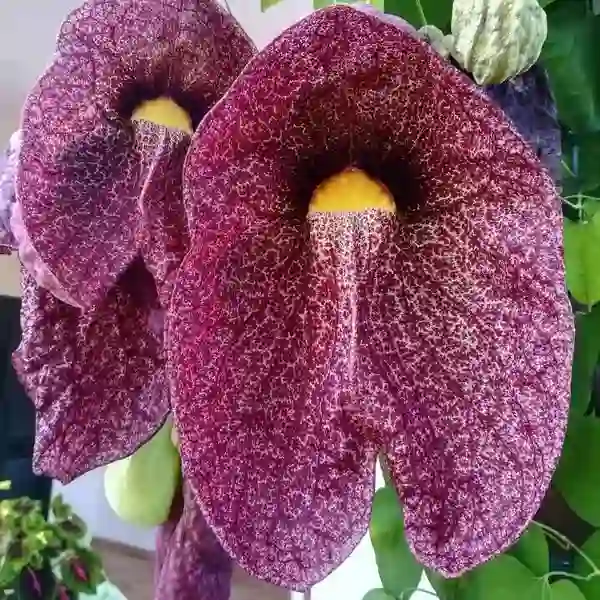
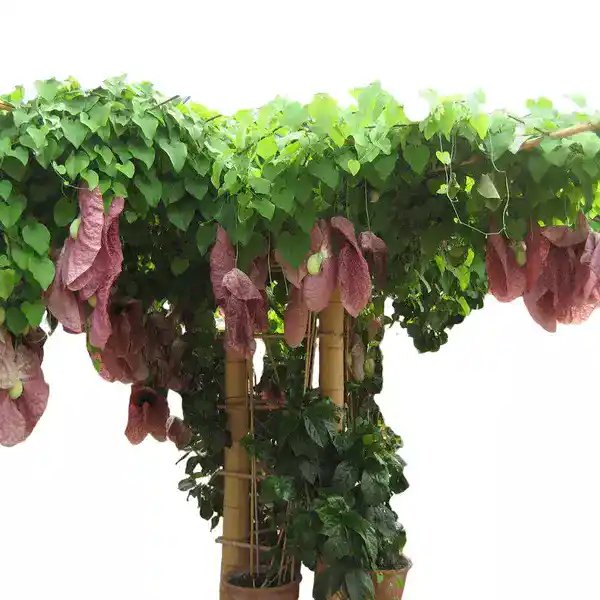
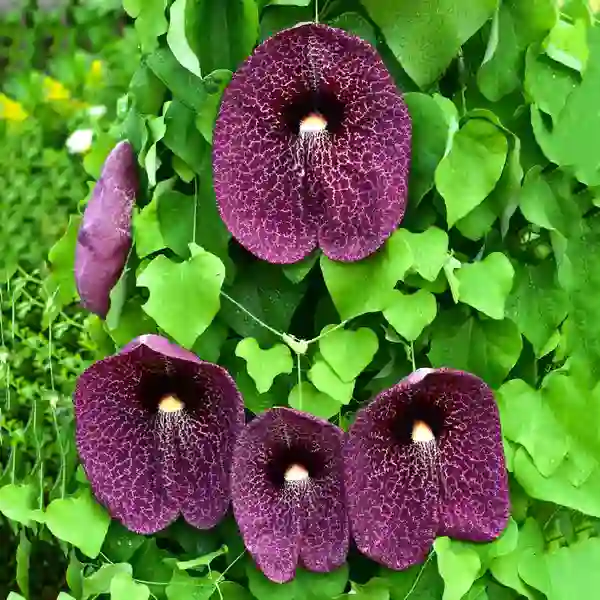
Aristolochia Gigantea ‘Brasiliensis’ Pelican Flower aka Brazilian Dutchman’s Pipe
Original price was: ₹889.00.₹713.00Current price is: ₹713.00.
4 in stock
Plant Size: Single Plant | Pot Included | Free Shipping
Aristolochia gigantea ‘Brasiliensis’ Pelican Flower aka Brazilian Dutchman’s Pipe is one of the worlds largest flowers.
CLASSIFICATIONS AND CHARACTERISTICS
| Plant Division | Angiosperms (Flowering Seed Plants) (Dicotyledon) |
| Plant Growth Form | Climber, Vine & Liana |
| Lifespan (in Singapore) | Perennial |
| Mode of Nutrition | Autotrophic |
| Maximum Height | 4.6 m to 6 m |
BIOGEOGRAPHY
| Native Distribution | Brazil, Costa Rica, El Salvador, Panama |
| Native Habitat | Terrestrial |
| Preferred Climate Zone | Tropical |
| Local Conservation Status | Non-native (Horticultural / Cultivated Only) |
DESCRIPTION AND ETHNOBOTANY
| Growth Form | Herbaceous evergreen vine with a climbing or spreading growth habit. |
| Foliage | Light green leaves are heart-shaped with entire leaf margin. Leaves are arranged alternately along the stems, measuring about 15 cm long and 11 cm wide, with whitish hair on the undersides. |
| Flowers | Large flowers (15 cm wide, 30 cm tall) have an unusual, pouchlike shape. The flowers are reddish purple with white, net-like streaks and a yellow throat. Unlike A. grandiflora which also produces large flowers, it does not produce an unpleasant smell. |
| Fruits | Fruits are oblong or cylindrical capsules, measuring to about 13 cm long and 3 cm wide. and will turn from green to brown when mature, splitting open at the top into 7 sections in a ‘Chinese Lantern’ pattern to release many seeds. The mature fruit capsule is papery. |
| Habitat | Found in tropical forests and stream banks at an altitude of 700 – 1100 m, mostly cultivated. |
| Cultivation | This fast-growing species should be planted in fertile soil that is mildly acidic to mildly alkaline (pH = 6 – 8). Allow 1.8 – 2.4 m of spacing between individuals. It grows well in a sunny spot that is protected from full sun. Propagate by seed. |
| Etymology | The specific epithet “gigantea” refers to the large flowers. |
LANDSCAPING FEATURES
| Desirable Plant Features | Ornamental Flowers |
| Plant & Rootzone Preference – Tolerance | Well-Drained Soils |
| Landscape Uses | Parks & Gardens, Vertical Greenery / Green Wall, Trellis / Arbour / Pergola |
FAUNA, POLLINATION AND DISPERSAL
| Seed or Spore Dispersal | Abiotic |
PLANT CARE AND PROPAGATION
| Light Preference | Full Sun |
| Water Preference | Moderate Water |
| Plant Growth Rate | Fast |
| Potential Problems | No serious pests or disease problems. |
| Propagation Method | Seed |
FOLIAR
| Foliage Retention | Evergreen |
| Mature Foliage Colour(s) | Green |
| Mature Foliage Texture(s) | Velvety / Furry / Tomentose |
| Prominent Young Flush Colour(s) | Green |
| Young Flush Texture(s) | Velvety / Furry / Tomentose |
| Foliar Type | Simple / Unifoliate |
| Foliar Arrangement Along Stem | Alternate |
| Foliar Attachment to Stem | Petiolate |
| Foliar Shape(s) | Non-Palm Foliage (Cordate) |
| Foliar Venation | Palmate |
| Foliar Margin | Entire |
| Foliar Apex – Tip | Acute |
| Foliar Base | Cordate |
FLORAL (ANGIOSPERM)
| Flower & Plant Sexuality 1 | Bisexual Flowers |
| Flower Colour(s) | Brown |
| Flower Location | Axillary |
| Flower Symmetry | Bilateral |
| Flowering Period | Free-Flowering |
FRUIT, SEED AND SPORE
| Mature Fruit Colour(s) – Angiosperms and Gymnosperms | Brown |
| Mature Fruit Texture(s) | Papery |
| Fruit Classification | Simple Fruit |
| Fruit Type 1 | Dehiscent Dry Fruit |
| Fruit Type 2 | Capsule |
| Mature Seed Colour(s) | Brown |
| Seed Quantity Per Fruit | Numerous (>20) |
OTHERS
| Master ID | 19 |
| Species ID | 1315 |
| Flora Disclaimer | The information in this website has been compiled from reliable sources, such as reference works on medicinal plants. It is not a substitute for medical advice or treatment and NParks does not purport to provide any medical advice. Readers should always consult his/her physician before using or consuming a plant for medicinal purposes. |
| Color | |
|---|---|
| Colour | |
| Price | |
| Type |
Only logged in customers who have purchased this product may leave a review.
Related products
-
Golden Sedum Plant
Original price was: ₹549.00.₹349.00Current price is: ₹349.00.Add to cartSelling size: Well rooted plan | 2.5″ pot included The Golden Sedum (Sedum adolphii) is a popular succulent known for its bright, fleshy, evergreen leaves that can take on a beautiful golden-yellow or even reddish-pink tint in bright sun. It has a trailing or spreading growth habit, making it a great choice for hanging baskets, …
-
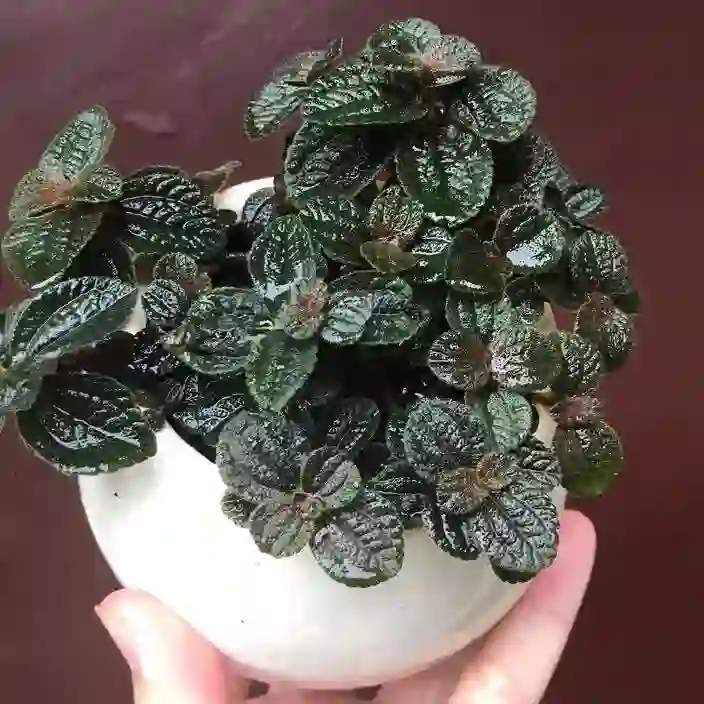
Pilea Repens, Black Panamiga
Original price was: ₹280.00.₹149.00Current price is: ₹149.00.Add to cartSize: Single Plant | Jiffy Bag Caring for a Pilea Ripens (also known as Black Panamiga) involves understanding its specific needs to ensure it thrives. Here’s a breakdown of Pilea Repens, Black Panamiga key care aspects: Key Care Points: Light: Pilea repens prefers bright, indirect sunlight. Direct sunlight can scorch its leaves. Rotating the plant …
-

String Of Nickels (Dischidia nummularia)
Select options This product has multiple variants. The options may be chosen on the product pageSelling size: Well rooted plant in a Jiffy bag The Dischidia nummularia, commonly known as the String of Nickels or Button Orchid, is a delightful and easy-to-care-for trailing epiphyte. Its common name comes from its small, round, coin-shaped leaves that densely cover its long, slender stems. As a relative of the Hoya, it shares a …
-
Dischidia Oiantha plant
Original price was: ₹695.00.₹375.00Current price is: ₹375.00.Add to cartPlant Size: Single plant | 2.5″ Pot Included | Free Shipping | Secure Packing The Dischidia oiantha, often referred to as a “Hoya cousin,” is a charming, easy-to-care-for epiphyte with trailing vines and small, oval, succulent-like leaves. It’s a great choice for hanging baskets or for adding a touch of whimsy to a shelf. Here …
-
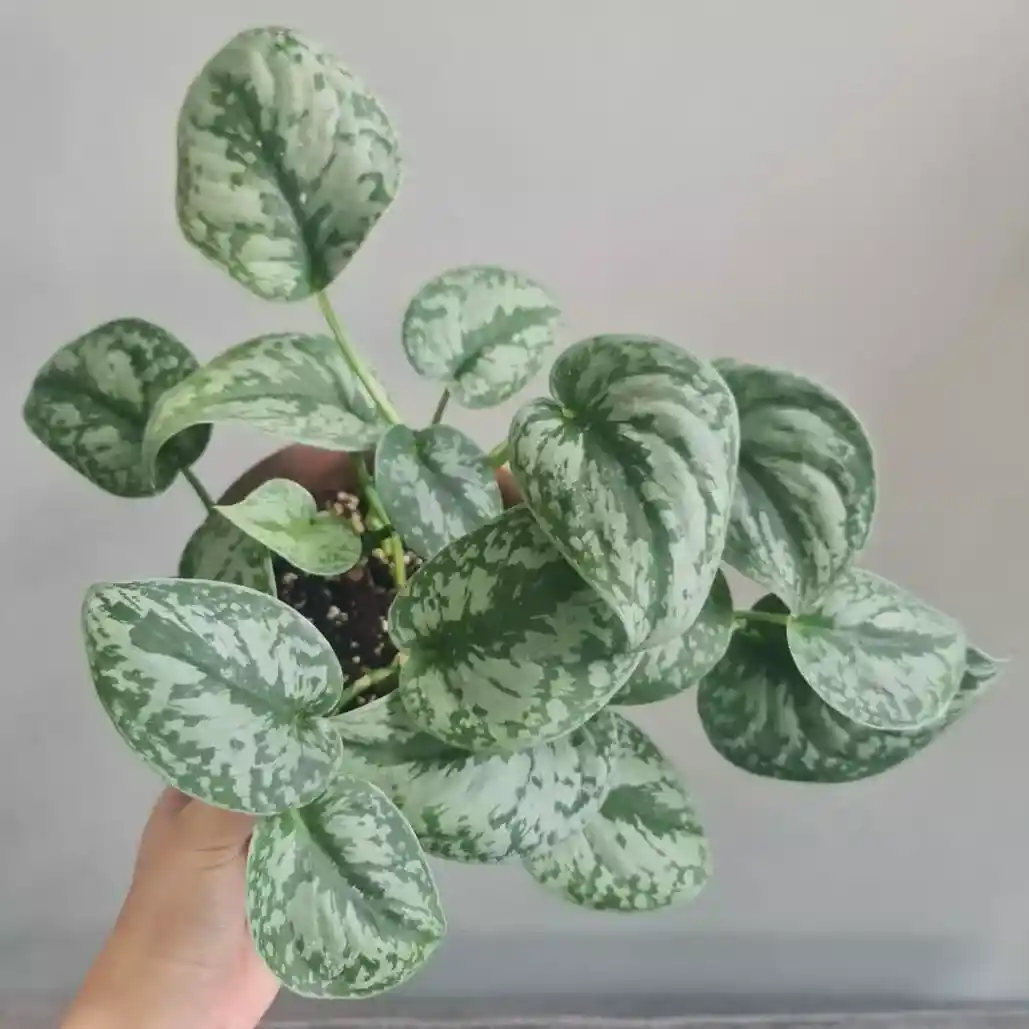
Scindapsus Pictus Exotica
Original price was: ₹380.00.₹99.00Current price is: ₹99.00.Add to cartSelling size: Single Plant | 2.5″ Pot Included The Scindapsus Pictus Exotica, also known as the silver pothos, is a houseplant with large, dark green leaves that have silver spots and mottling. Here’s a guide to caring for your Scindapsus pictus Exotica plant: Light: Prefers bright, indirect light. An east or west-facing window that’s about …
-
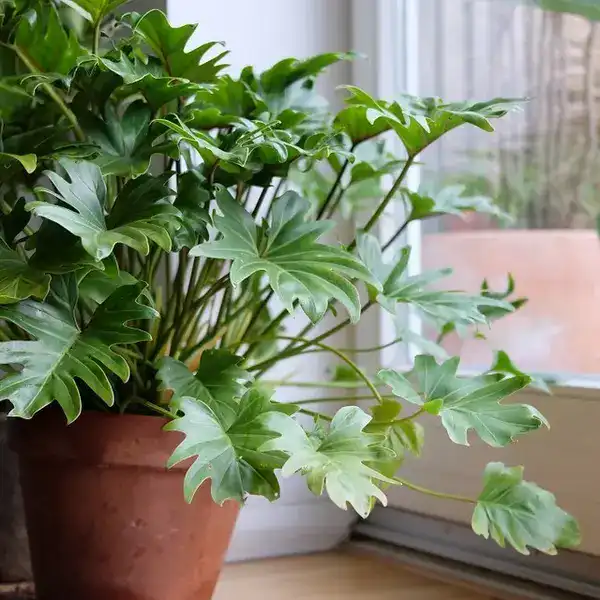
Philodendron Xanadu
Original price was: ₹450.00.₹199.00Current price is: ₹199.00.Add to cartSelling size:Well rooted plant | 2.5″ Pot Included | Secure Packing The Philodendron Xanadu, now officially classified as Thaumatophyllum xanadu, is a fantastic and relatively easy-to-care-for houseplant. It’s known for its compact, bushy growth habit and deeply lobed, glossy green leaves that give it a sophisticated, tropical look. Here is a complete guide to caring …
-

Calathiya Rattlesnake Plant
Select options This product has multiple variants. The options may be chosen on the product pageSelling size: Please Choose | Secure Packing | 2.5″-4″ Pot Included Calathiya rattlesnake is a plant easy to care for. However, there are a few measures and precautions you need to take to grow and maintain yours. Here’s a comprehensive guide for rattlesnake plant : Light Calathea Lancifolia prefers bright, indirect light. Like most variegated …
-
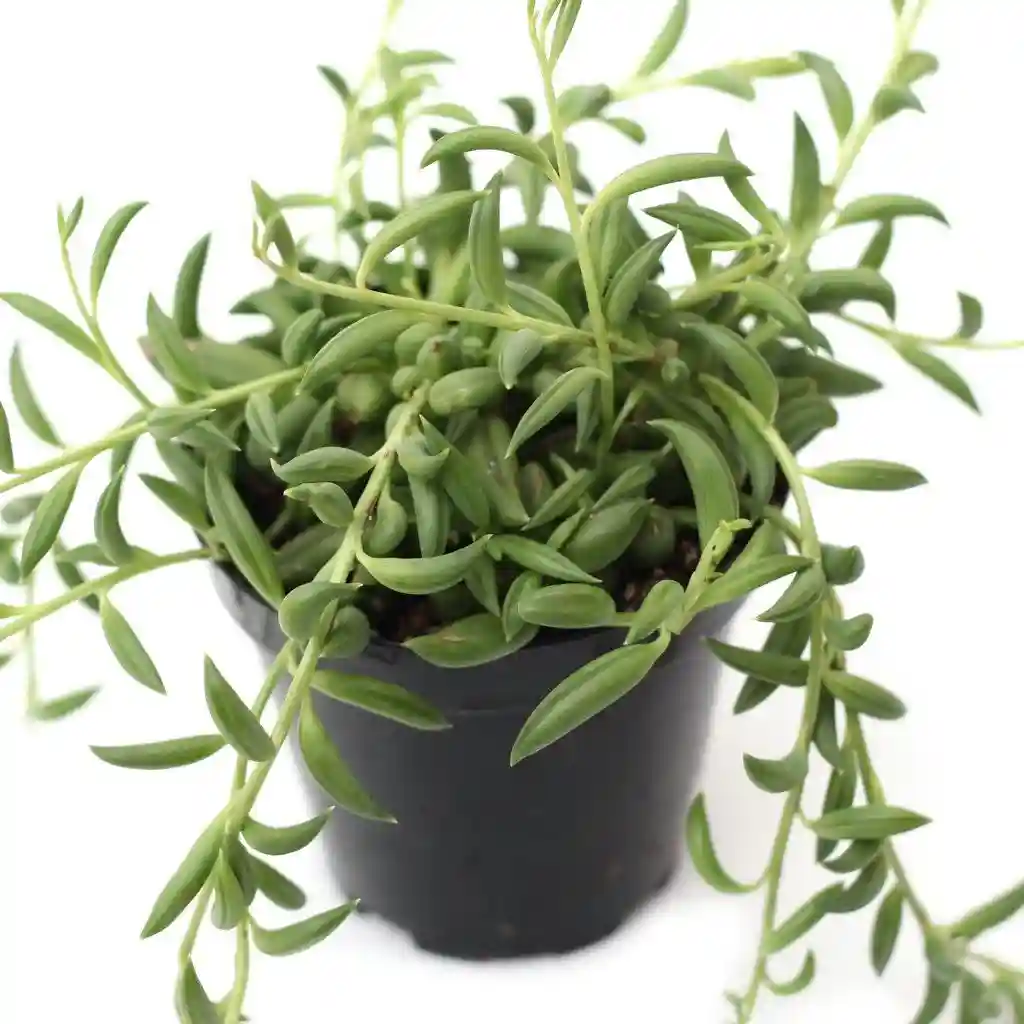
String of Bananas
Original price was: ₹450.00.₹249.00Current price is: ₹249.00.Add to cartSelling size: Mentioned in last Picture | Secure Packing The String of Bananas (Curio radicans or Senecio radicans) is a charming trailing succulent known for its long, cascading stems covered in plump, banana-shaped leaves. It’s a popular choice for hanging baskets and is generally easy to care for, especially for those who are new …

 If you need any assistance, I'm always here. Have you found what you were looking for?
Reviews
There are no reviews yet.