
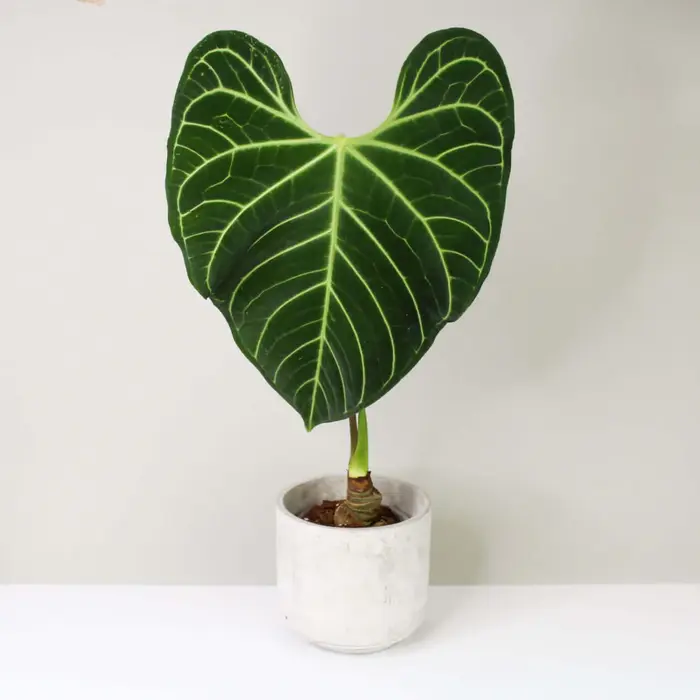


Anthurium Regale
Original price was: ₹15,800.00.₹2,499.00Current price is: ₹2,499.00.
Selling Size: Single plant | Pot Included | Free shipping
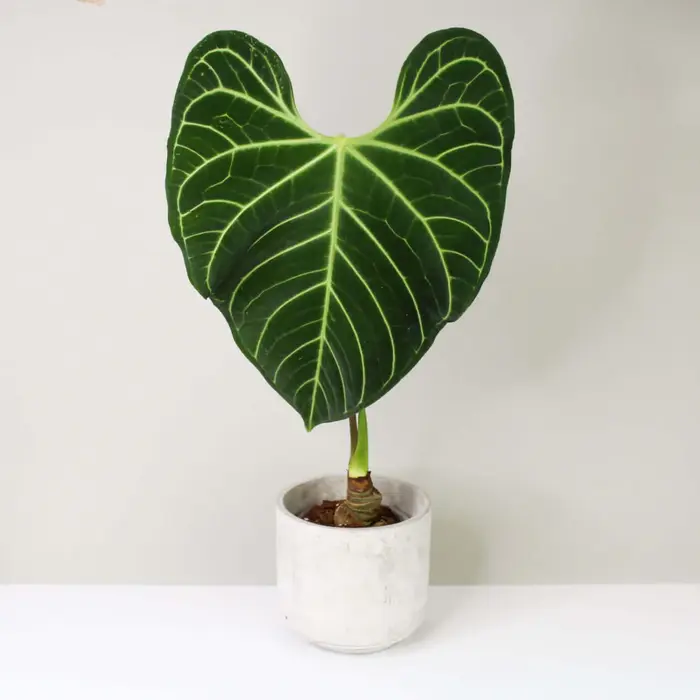
The Anthurium Regale, or Regal Anthurium, is a highly sought-after aroid known for its massive, velvety, heart-shaped leaves with dramatic white or silver venation. It is a slow grower and is considered one of the more demanding Anthurium species, requiring high humidity and specific conditions to truly thrive indoors.
- Foliage The leaves are deep green with a slight velvety texture and feature dramatic, contrasting white or silvery veins. There is one central vertical vein with several lateral veins branching off.
- Growth Habit Anthurium Regale plant grows as a terrestrial or epiphytic climber in its natural habitat and benefits from a support structure like a moss pole when grown indoors. It is a slow-growing plant, typically producing a new leaf every 2-3 months.
- Toxicity The plant is toxic to pets and humans due to calcium oxalate crystals, so it should be kept out of reach.

Here is a comprehensive care guide for the Anthurium regale:
💧 Essential Care Requirements
1. Light
-
Requirement: Bright, indirect, or filtered light is essential for large leaf growth.
-
Avoid: Direct midday sunlight, which will quickly scorch and burn the delicate, velvety leaves.
-
Placement: East-facing windows are ideal. In South or West-facing rooms, place it several feet back from the window or behind a sheer curtain. Supplement with LED grow lights if natural light is insufficient.
2. Humidity (Crucial!)
-
Requirement: Very high humidity, ideally 60% to 80%. Low humidity is the most common cause of brown, crispy leaf edges and tips.
-
Solution: A dedicated humidifier is the most effective method. Many serious collectors use grow cabinets or sealed terrariums to consistently maintain the high levels the Regale requires.
-
Tip: Misting alone is generally ineffective for this plant, as the velvet surface can hold moisture, potentially leading to fungal issues if airflow is poor.
3. Temperature
-
Requirement: Consistent warmth. The ideal range is 65°F to 80°F (18°C to 27°C).
-
Avoid: Cold drafts, sudden temperature drops (below $60^circtext{F}$ or $15^circtext{C}$), or placement near A/C or heating vents. Stable temperatures are key.

🌱 Watering & Soil
4. Watering
-
Schedule: Keep the potting mix consistently moist but never soggy. Allow the top 10% to 25% of the substrate to dry out between waterings.
-
Avoid: Overwatering is a leading cause of root rot. The plant should never sit in standing water.
-
Water Quality: Use distilled, filtered, or rainwater. The Regale is sensitive to the mineral salts and chlorine found in most tap water, which can contribute to brown tips and leaf margins.
5. Soil Mix (Substrate)
-
Requirement: The mix must be chunky, very well-draining, and highly aerated. As a terrestrial aroid, its roots need room to breathe and prefer a mixture designed to prevent compaction.
-
Ideal Aroid Mix Components:
-
Orchid Bark (Chunky piece for aeration)
-
Perlite or Pumice (Enhances drainage)
-
Coco Coir/Peat (For moisture retention)
-
Activated Charcoal (To absorb impurities)
-
Worm Castings (For gentle nutrients)
-
6. Fertilizing
-
Schedule: Fertilize monthly during the active growing seasons (Spring and Summer). Reduce or stop feeding entirely in late Fall and Winter.
-
Type: Use a balanced liquid fertilizer formulated for houseplants, diluted to half or quarter strength to avoid root burn. Anthuriums have sensitive roots.
🪴 Advanced Care & Troubleshooting
Repotting
-
Repot every 1 to 2 years or when the roots are severely massed. Use a breathable pot (like a plastic nursery pot inside a decorative cachepot) that is only slightly larger than the previous one.
Anthurium Regale Common Issues
| Symptom | Cause | Solution |
| Brown/Crispy Leaf Edges | Low Humidity (Most common) or mineral buildup from tap water. | Increase humidity to $70%+$. Switch to filtered/distilled water. |
| Yellowing Leaves | Overwatering (Root rot) or, less commonly, nutrient deficiency. | Allow the soil to dry more between waterings. Check roots for rot. |
| Pests | Susceptible to pests like Spider Mites and Thrips, especially in low-humidity/low-airflow environments. | Increase airflow (use a small fan) and treat immediately with insecticidal soap or neem oil. |
| Small New Leaves | Insufficient light or lack of consistent fertilizer/humidity. | Move to a brighter spot and ensure high humidity is maintained for leaf hardening. |
| Color | |
|---|---|
| Colour | |
| Price | |
| Type |
Only logged in customers who have purchased this product may leave a review.
Related products
-
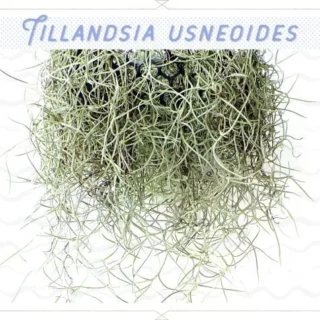
Spanish Moss Air Plant
Price range: ₹49.00 through ₹525.00Select options This product has multiple variants. The options may be chosen on the product pageSelling size: PLEASE CHOOSE Spanish Moss Air Plant – CARE INSTRUCTIONS Scientific name: Tillandsia usneoides Synonyms: Old man’s beard, Spanish Moss, French Hair, Spanish Beard Spanish Moss is a delicate silvery-grey air plant that is often used to hang in trees or as a gorgeous decor piece without the need for soil. Despite its name, Spanish Moss …
-
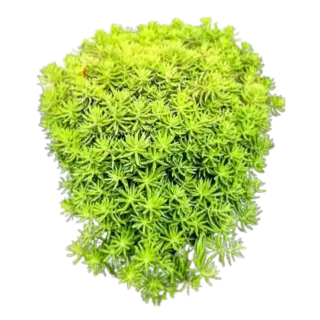
Golden Sedum Plant
Original price was: ₹549.00.₹349.00Current price is: ₹349.00.Add to cartSelling size: Well rooted plan | 2.5″ pot included The Golden Sedum (Sedum adolphii) is a popular succulent known for its bright, fleshy, evergreen leaves that can take on a beautiful golden-yellow or even reddish-pink tint in bright sun. It has a trailing or spreading growth habit, making it a great choice for hanging baskets, …
-
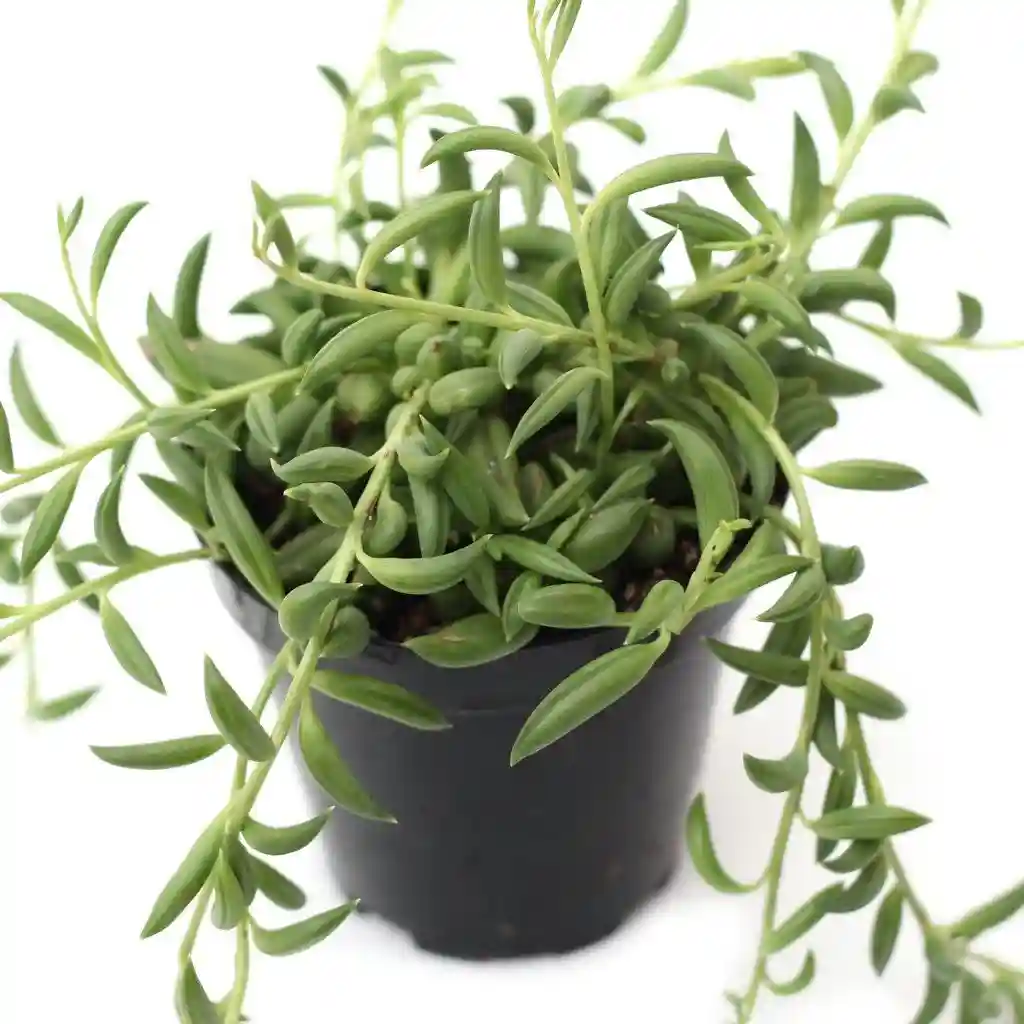
String of Bananas
Original price was: ₹450.00.₹249.00Current price is: ₹249.00.Add to cartSelling size: Mentioned in last Picture | Secure Packing The String of Bananas (Curio radicans or Senecio radicans) is a charming trailing succulent known for its long, cascading stems covered in plump, banana-shaped leaves. It’s a popular choice for hanging baskets and is generally easy to care for, especially for those who are new …
-
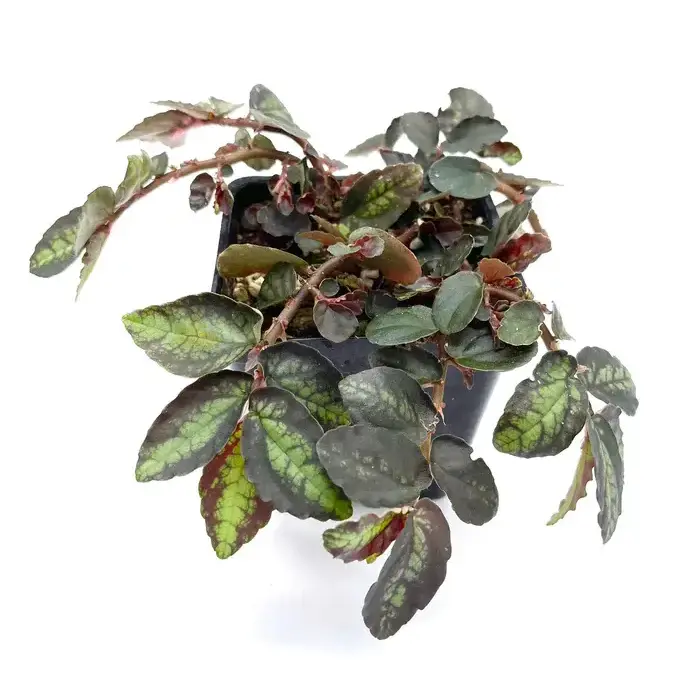
Pellionia repens var. pulchra
Original price was: ₹325.00.₹149.00Current price is: ₹149.00.Add to cartSelling size: Well rooted plant in a jiffy bag | Secure Packing The Pellionia repens var. pulchra, often called the Trailing Watermelon Begonia, is a beautiful and easy-to-care-for trailing plant. Its common name comes from the striking, patterned leaves that resemble the rind of a watermelon. Despite the name, it is not a true begonia …
-
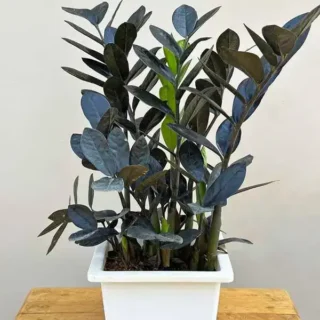
Black zz plant, Raven ZZ Plant
Select options This product has multiple variants. The options may be chosen on the product pageSelling size: Please Choose (Single – Bushy) | 2.5″-5” Pot Included | Secure Packing The Black ZZ Plant, or Raven ZZ Plant (Zamioculcas zamiifolia ‘Raven’), is a popular, exceptionally resilient houseplant known for its striking, nearly black foliage. It shares the easy-care nature of the standard green ZZ plant, making it perfect for beginners or …
-
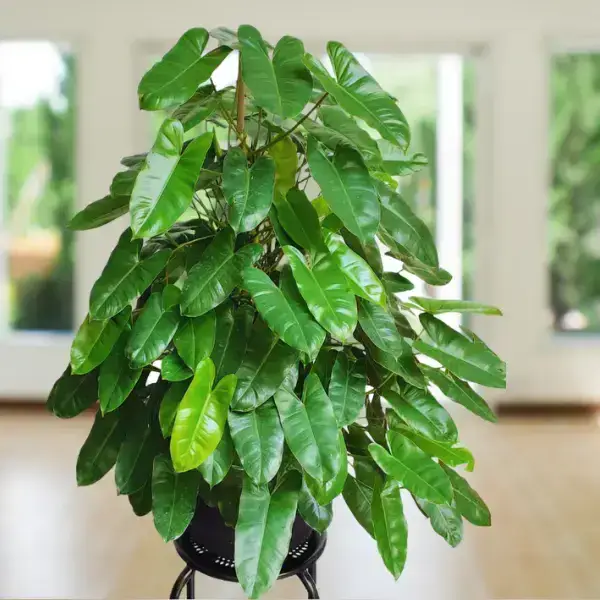
Philodendron Burle Marx Plant
Original price was: ₹485.00.₹149.00Current price is: ₹149.00.Add to cartSelling size: Single plant | Pot Included | Secure Packing The Philodendron Burle Marx is a fantastic and relatively easy-to-care-for plant, known for its glossy, spade-shaped leaves and dense, clumping growth. It’s often recommended as a great choice for beginner houseplant owners. Here is a comprehensive care guide for your Philodendron Burle Marx: Light …
-
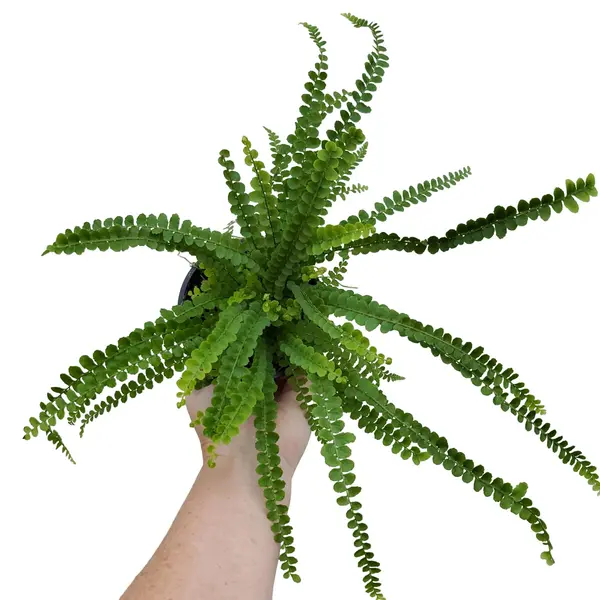
Lemon Button Fern Plant
Original price was: ₹539.00.₹179.00Current price is: ₹179.00.Add to cartSelling Size: Single plant | 2.5″ Pot Included The Lemon Button Fern (Nephrolepis cordifolia ‘Duffii’) is a popular and relatively easy-to-care-for fern. It’s known for its compact, arching fronds with small, button-like leaves and a subtle, lemony scent when you brush against them. Unlike some ferns, it’s a bit more forgiving of indoor conditions, making …
-
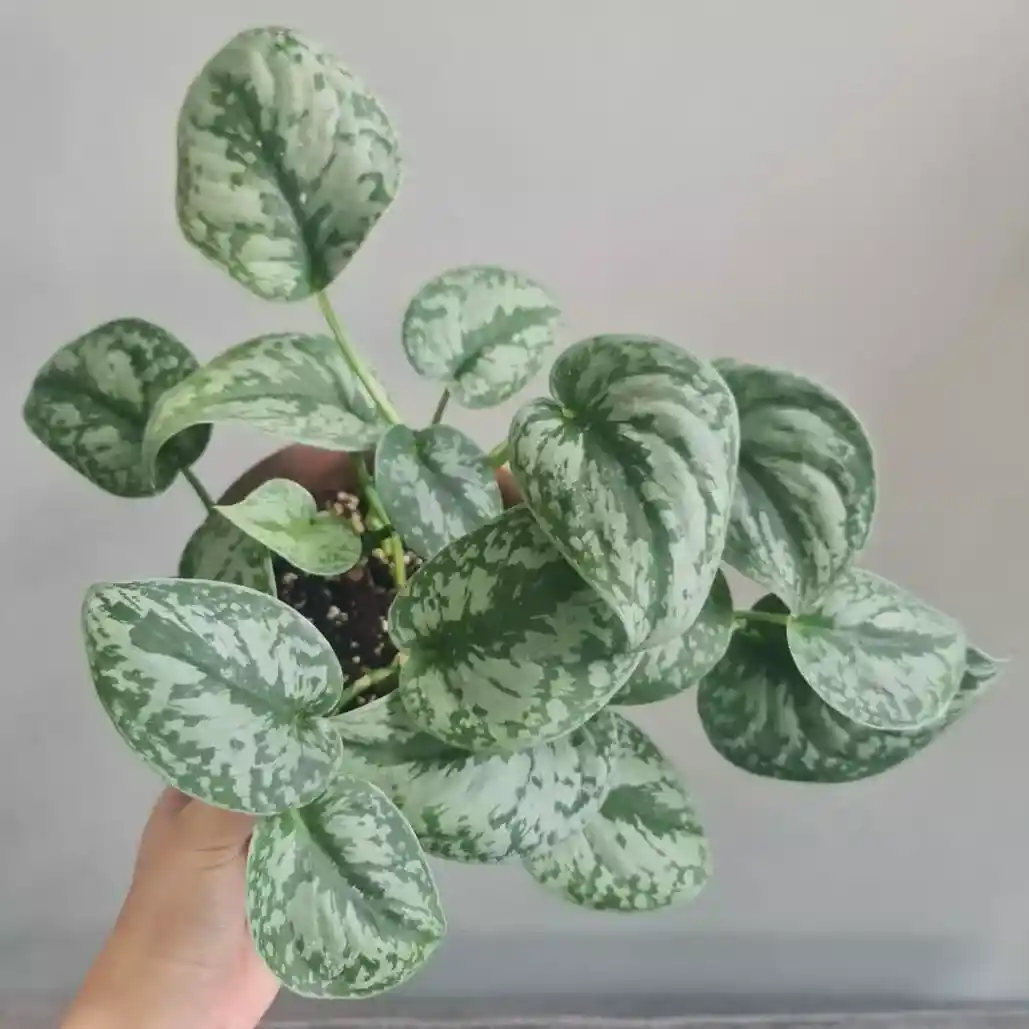
Scindapsus Pictus Exotica
Original price was: ₹380.00.₹99.00Current price is: ₹99.00.Add to cartSelling size: Single Plant | 2.5″ Pot Included The Scindapsus Pictus Exotica, also known as the silver pothos, is a houseplant with large, dark green leaves that have silver spots and mottling. Here’s a guide to caring for your Scindapsus pictus Exotica plant: Light: Prefers bright, indirect light. An east or west-facing window that’s about …
 If you need any assistance, I'm always here. Have you found what you were looking for?
Reviews
There are no reviews yet.