Alpine Polytrichastrum Moss
Original price was: ₹1,900.00.₹1,756.00Current price is: ₹1,756.00.
Selling Size : Single Plant | Pot Included | Secure Packing | Free Delivery
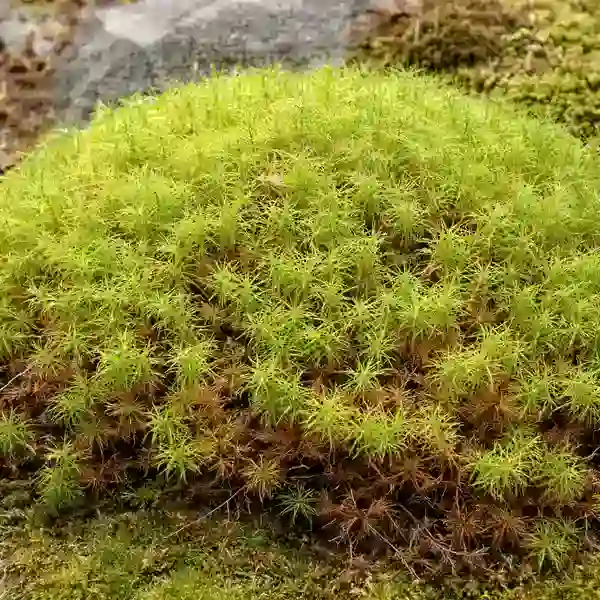
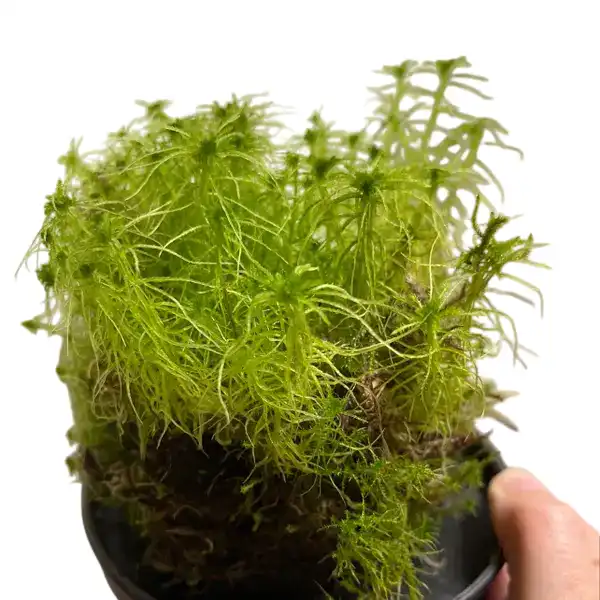
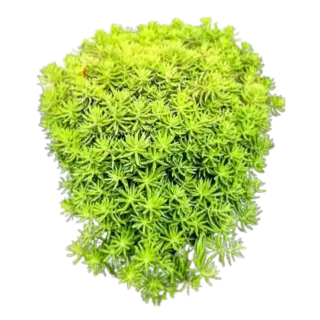
Alpine Polytrichastrum moss is a hardy, cold-tolerant moss species commonly found in mountain and high-elevation environments. It forms dense, cushion-like clumps with upright, star-shaped shoots and a soft green to olive color. Because it naturally grows in harsh, cool climates, it is an excellent choice for rock gardens, moss trays, terrariums, and alpine-style landscapes. With the right moisture and light balance, it can be successfully grown at home.

Here is a complete care guide for Alpine Polytrichastrum Moss :
Alpine Polytrichastrum moss prefers bright but indirect light. In its natural habitat, it often grows in open alpine zones where light is strong but temperatures remain cool. When growing it at home, place it where it receives filtered sunlight or gentle morning sun. Avoid harsh midday sun, especially in warm regions, because strong heat combined with direct light can dry and scorch the moss. Indoors, a bright window with sheer curtain filtering works well. Under grow lights, keep light moderate rather than intense.
Temperature is one of the most important factors. This moss thrives in cool to mild conditions. Ideal temperatures range between 8–20°C. It tolerates cold very well, even near-freezing conditions, but struggles in prolonged heat. In warmer climates, keep it in the coolest available location, such as a shaded balcony, cool room, or near evaporative humidity trays. If temperatures regularly exceed 28°C, provide extra humidity and airflow to reduce stress.
Moisture is critical for healthy moss growth. Alpine Polytrichastrum moss likes consistently moist conditions but not stagnant water. The growing surface should stay damp at all times. Never allow it to fully dry out, as this can cause browning and dormancy. Mist regularly using clean, low-mineral water such as rainwater, RO water, or distilled water. Tap water with heavy minerals can gradually damage moss and cause discoloration. In trays or terrariums, maintain a moist base layer but avoid waterlogging.
Humidity should be moderate to high. Aim for at least 60% humidity for best appearance. Moss absorbs water directly through its leaves, so dry air quickly leads to crisping. Terrariums, covered trays, or humidity domes work very well. If grown outdoors in suitable climates, natural humidity is usually enough. Indoors, misting once or twice daily helps maintain freshness.
Substrate should be loose, acidic, and well-draining while holding surface moisture. Good options include a mix of peat moss, coco fiber, fine bark, and sand or crushed lava rock. It can also grow attached to porous stone, weathered wood, or natural rock slabs. The surface should be slightly textured so the moss can anchor. Avoid rich garden soil or compost-heavy mixes, as excess nutrients are not suitable for moss.
Fertilizer is rarely needed. Mosses are adapted to low-nutrient environments. Adding fertilizer can actually harm them. If growth is very slow, you may occasionally apply a very diluted (1/10 strength) balanced liquid fertilizer as a fine mist, no more than once every 6–8 weeks. In most cases, clean water and good light are enough.
Air circulation should be gentle but present. While moss likes humidity, completely stagnant air can encourage mold or algae. Ensure light airflow around the growing area, especially in closed containers. If using a terrarium, open it periodically for fresh air exchange.
Maintenance is simple. Remove fallen leaves, debris, or algae growth from the surface to prevent smothering. If patches become brown, trim them away and improve moisture and humidity. Healthy sections will slowly spread outward. You can propagate by gently dividing clumps and pressing them onto new moist substrate.

Common problems include browning (too dry or too hot), pale color (too much direct sun), and mold (too wet with no airflow). Adjust conditions gradually and the moss usually recovers well.
With cool temperatures, steady moisture, soft water, and indirect light, Alpine Polytrichastrum moss will form beautiful, dense green cushions and remain attractive for years.
| Color | |
|---|---|
| Colour | |
| Price | |
| Type |
Related products
-
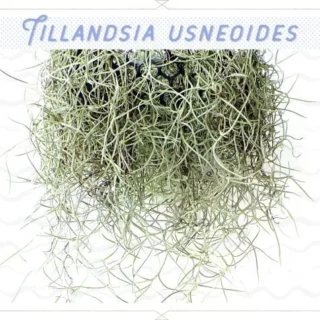
Spanish Moss Air Plant
Price range: ₹49.00 through ₹525.00Select options This product has multiple variants. The options may be chosen on the product pageSelling size: PLEASE CHOOSE Spanish Moss Air Plant – CARE INSTRUCTIONS Scientific name: Tillandsia usneoides Synonyms: Old man’s beard, Spanish Moss, French Hair, Spanish Beard Spanish Moss is a delicate silvery-grey air plant that is often used to hang in trees or as a gorgeous decor piece without the need for soil. Despite its name, Spanish Moss …
-
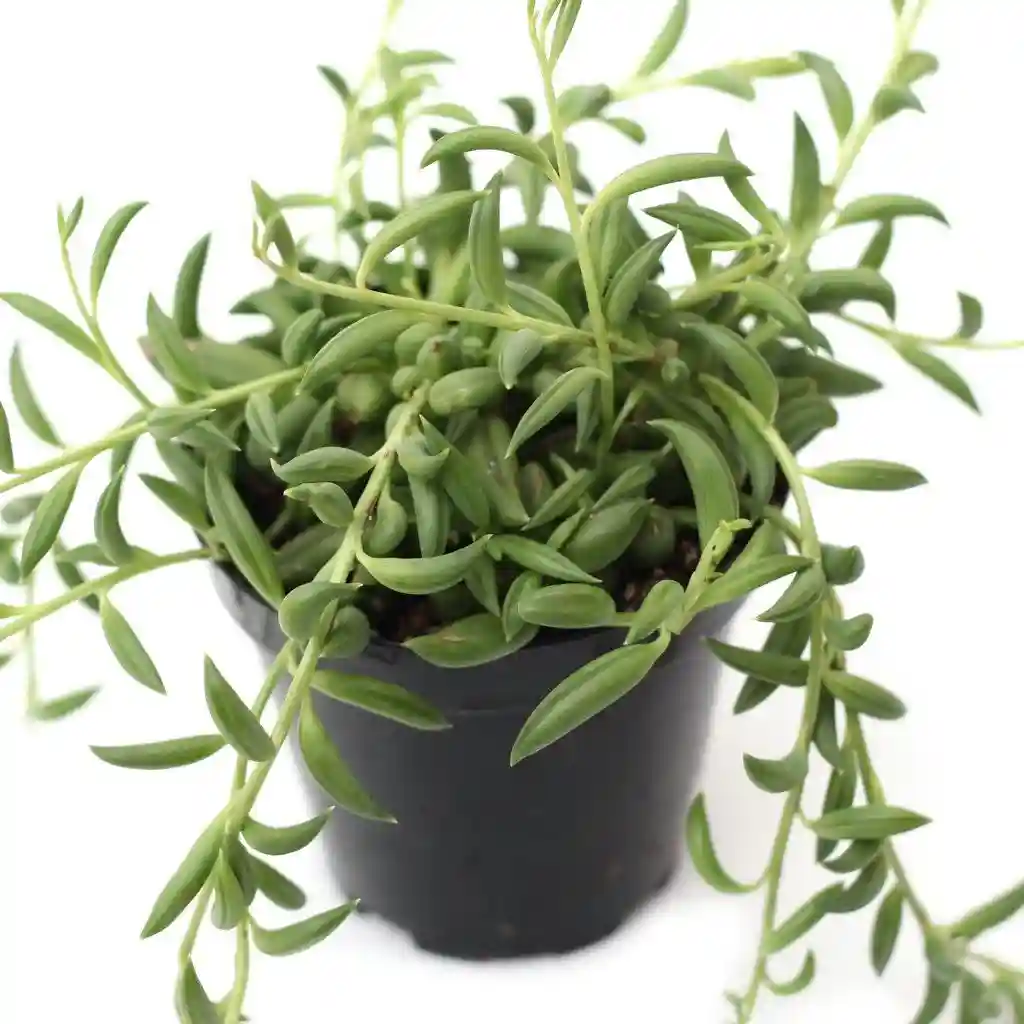
String of Bananas
Original price was: ₹450.00.₹249.00Current price is: ₹249.00.Add to cartSelling size: Mentioned in last Picture | Secure Packing The String of Bananas (Curio radicans or Senecio radicans) is a charming trailing succulent known for its long, cascading stems covered in plump, banana-shaped leaves. It’s a popular choice for hanging baskets and is generally easy to care for, especially for those who are new …
-
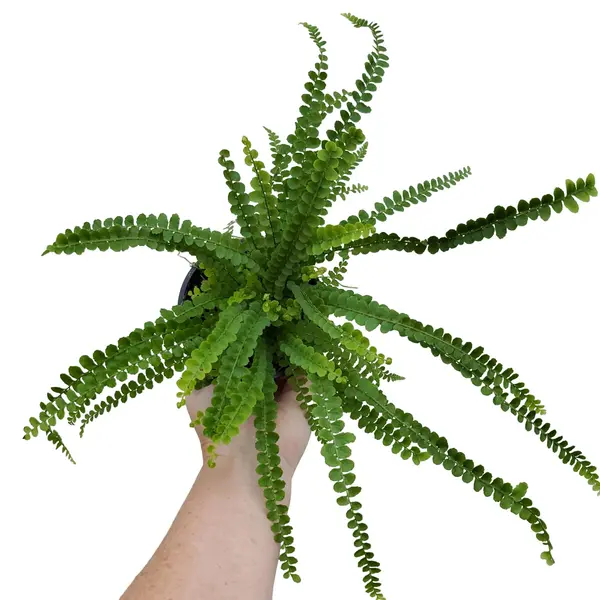
Lemon Button Fern Plant
Original price was: ₹539.00.₹179.00Current price is: ₹179.00.Add to cartSelling Size: Single plant | 2.5″ Pot Included The Lemon Button Fern (Nephrolepis cordifolia ‘Duffii’) is a popular and relatively easy-to-care-for fern. It’s known for its compact, arching fronds with small, button-like leaves and a subtle, lemony scent when you brush against them. Unlike some ferns, it’s a bit more forgiving of indoor conditions, making …
-
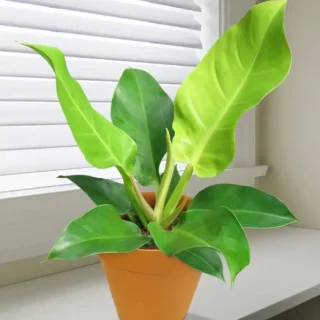
Philodendron Moonshine
Original price was: ₹1,250.00.₹249.00Current price is: ₹249.00.Add to cartSelling size: Single plant | Pot included | Secure Packing The Philodendron Moonshine (often also called ‘Moonlight’) is a popular hybrid known for its vibrant, almost glowing, chartreuse-colored leaves. It has an upright, self-heading growth habit, so unlike many vining philodendrons, it doesn’t need a trellis or pole. Here is a comprehensive guide to caring …
-
Golden Sedum Plant
Original price was: ₹549.00.₹349.00Current price is: ₹349.00.Add to cartSelling size: Well rooted plan | 2.5″ pot included The Golden Sedum (Sedum adolphii) is a popular succulent known for its bright, fleshy, evergreen leaves that can take on a beautiful golden-yellow or even reddish-pink tint in bright sun. It has a trailing or spreading growth habit, making it a great choice for hanging baskets, …
-
Dischidia Oiantha plant
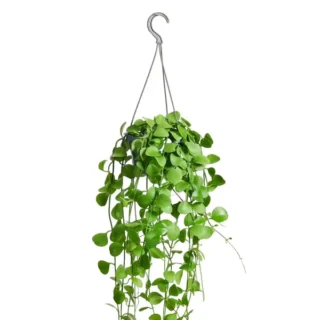
Original price was: ₹695.00.₹375.00Current price is: ₹375.00.Add to cartPlant Size: Single plant | 2.5″ Pot Included | Free Shipping | Secure Packing The Dischidia oiantha, often referred to as a “Hoya cousin,” is a charming, easy-to-care-for epiphyte with trailing vines and small, oval, succulent-like leaves. It’s a great choice for hanging baskets or for adding a touch of whimsy to a shelf. Here …
-
Black zz plant, Raven ZZ Plant
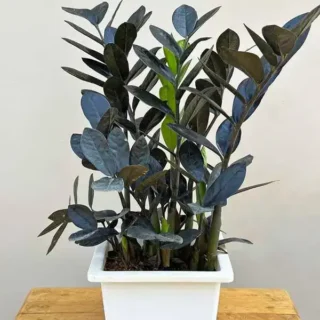
Select options This product has multiple variants. The options may be chosen on the product pageSelling size: Please Choose (Single – Bushy) | 2.5″-5” Pot Included | Secure Packing The Black ZZ Plant, or Raven ZZ Plant (Zamioculcas zamiifolia ‘Raven’), is a popular, exceptionally resilient houseplant known for its striking, nearly black foliage. It shares the easy-care nature of the standard green ZZ plant, making it perfect for beginners or …
-
Scindapsus Pictus Exotica
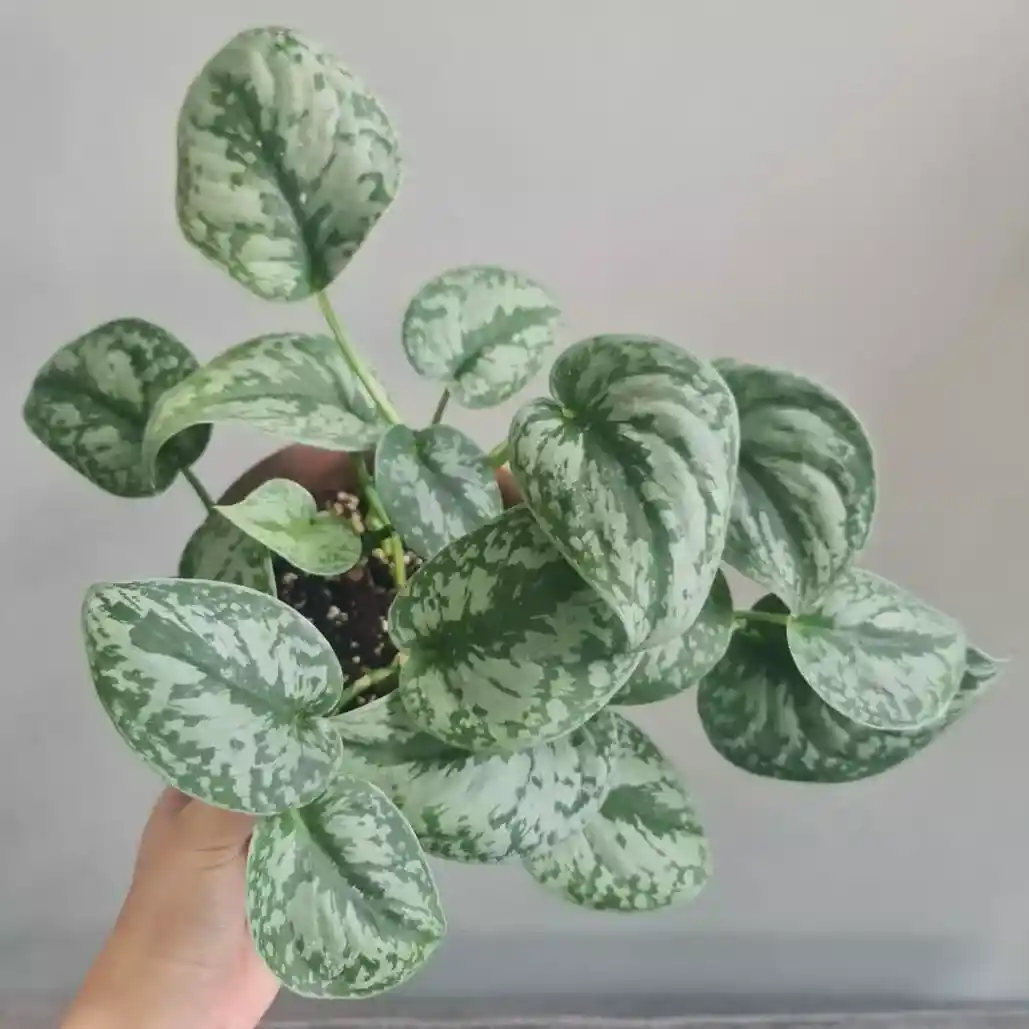
Original price was: ₹380.00.₹99.00Current price is: ₹99.00.Add to cartSelling size: Single Plant | 2.5″ Pot Included The Scindapsus Pictus Exotica, also known as the silver pothos, is a houseplant with large, dark green leaves that have silver spots and mottling. Here’s a guide to caring for your Scindapsus pictus Exotica plant: Light: Prefers bright, indirect light. An east or west-facing window that’s about …
 If you need any assistance, I'm always here. Have you found what you were looking for?