
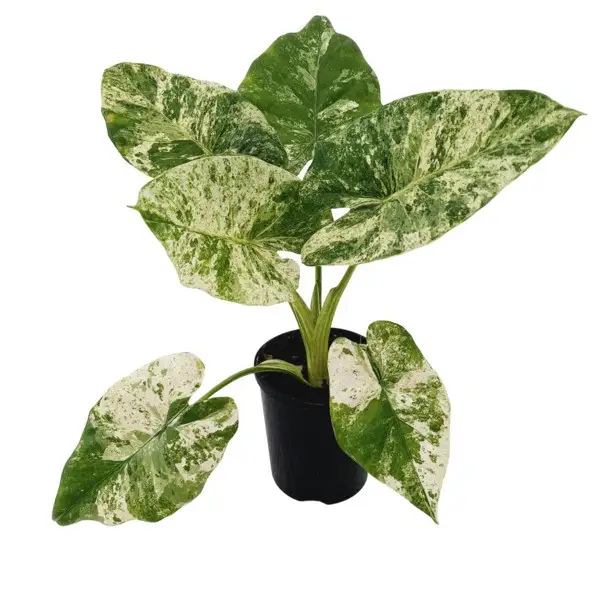
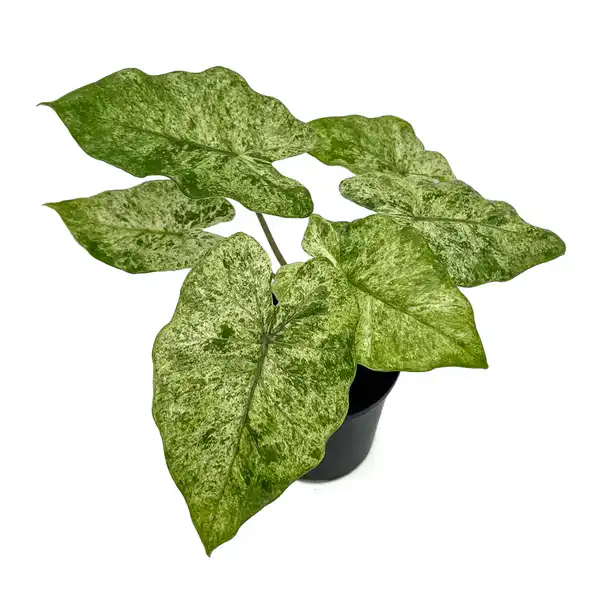
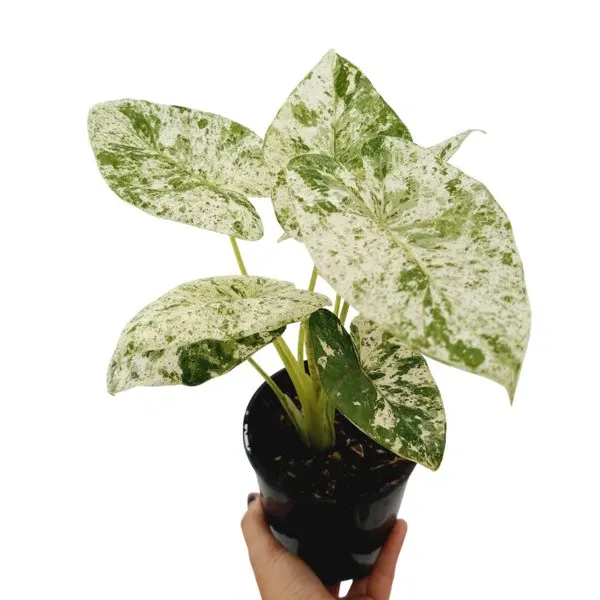
Alocasia Odora Batik Variegated – Rare
Original price was: ₹2,699.00.₹1,699.00Current price is: ₹1,699.00.
3 in stock
Size: Single Plant | Pot Included | Free Shipping
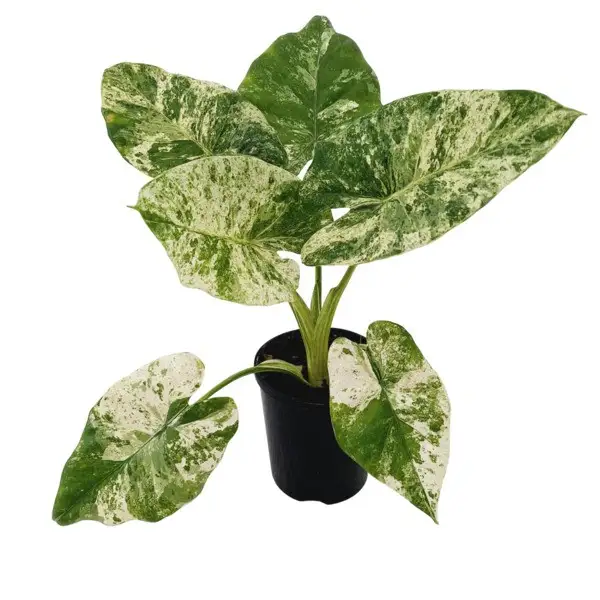
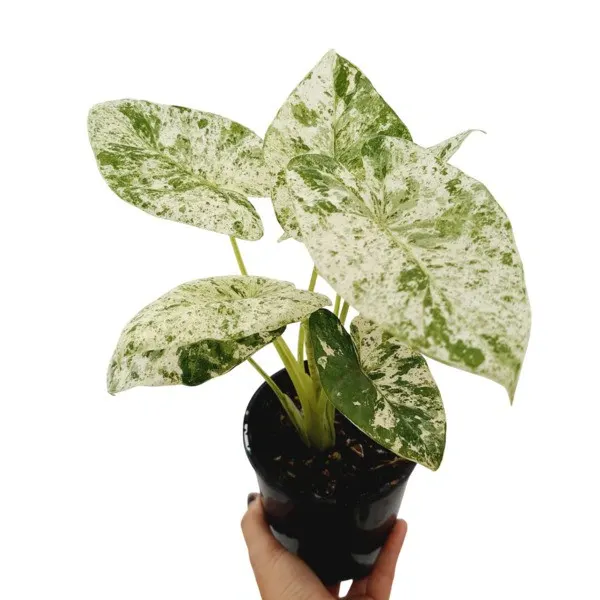
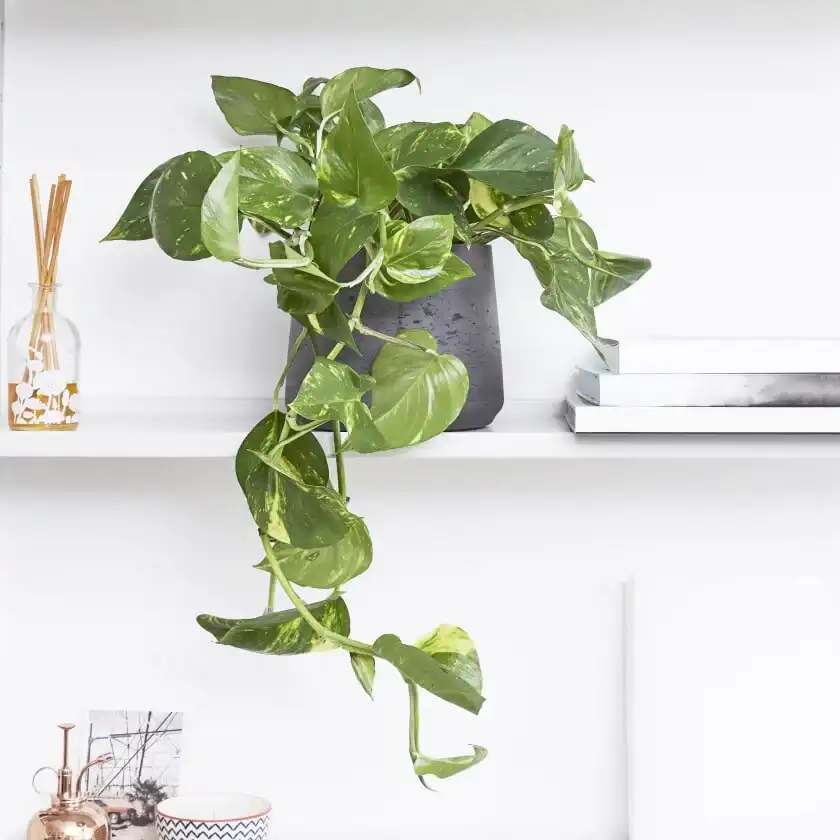
The Alocasia odora Batik Variegated is a stunning and sought-after Alocasia cultivar known for its large, heart-shaped leaves with unique patterns of dark green, light green, and creamy white, resembling traditional batik fabric. Like most Alocasias, it thrives in a warm, humid environment with consistent care.
Here’s a comprehensive guide to Alocasia Odora Batik Variegated – Rare’s care:
1. Light:
- Bright, Indirect Light is Key: This Alocasia thrives in bright, indirect light. Think a spot near a north or east-facing window, or a few feet away from a south or west-facing window where it won’t receive harsh direct sun.
- Avoid Direct Sunlight: Direct sunlight can scorch the delicate variegated leaves, leading to irreversible damage.
- Artificial Grow Lights: If natural light is insufficient, consider using artificial grow lights to provide the necessary intensity, especially to maintain vibrant variegation.
2. Watering:
- Consistently Moist, Not Waterlogged: The soil should be kept consistently moist but never soggy. Alocasias are prone to root rot if they sit in standing water.
- Check Soil Moisture: Water when the top 1-2 inches of soil feel dry to the touch. You can use your finger to check the moisture level.
- Proper Drainage: Ensure the pot has drainage holes, and discard any excess water that collects in the saucer after watering.
- Reduce Watering in Winter: During colder months or periods of dormancy, reduce watering as the plant’s growth slows down.
3. Humidity:
- High Humidity Lover: Being a tropical plant, Alocasia odora ‘Batik Variegated’ absolutely thrives in high humidity. Aim for 60-80% humidity.
- Increase Humidity Methods:
- Humidifier: The most effective way to provide consistent humidity is with a humidifier.
- Pebble Tray: Place the pot on a tray filled with pebbles and water, ensuring the bottom of the pot isn’t submerged.
- Misting: While misting can provide temporary relief, it’s not as effective as a humidifier for long-term humidity.
- Grouping Plants: Grouping plants together can create a mini-climate with increased local humidity.
- Bathroom or Kitchen: A bathroom or kitchen can be a good spot due to naturally higher humidity levels.
4. Temperature:
- Warm Temperatures: This plant prefers warm temperatures between 18-27°C (65-80°F).
- Avoid Cold Drafts: Protect it from cold drafts, air conditioning vents, and temperatures below 13°C (55°F), as this can cause it to go dormant or suffer damage.
5. Soil Mix:
- Well-Draining and Aerated: A well-draining, rich potting mix that retains some moisture but doesn’t become waterlogged is crucial.
- Recommended Mix Components: A good mix can include:
- Peat moss or coco coir: For moisture retention.
- Perlite or pumice: For drainage and aeration.
- Orchid bark: Improves drainage and aeration, mimicking its natural epiphytic tendencies.
- Organic matter (e.g., compost, worm castings): Provides nutrients.
- Activated horticultural charcoal: Creates more air pockets and helps filter impurities.
6. Fertilizer:
- Regular Feeding During Growing Season: During the active growing season (spring and summer), fertilize regularly with a balanced liquid houseplant fertilizer.
- Follow Product Instructions: Always dilute the fertilizer according to the product instructions to avoid over-fertilization, which can burn the roots.
- Reduce or Stop in Winter: Reduce or stop fertilizing during the dormant period in fall and winter.
7. Potting:
- Appropriate Pot Size: Choose a pot that allows for some growth but isn’t too large, which can lead to excess moisture and root rot.
- Good Drainage Holes: Essential for preventing waterlogging.
8. Propagation:
- Division of Rhizomes/Corms: Alocasia odora ‘Batik Variegated’ is typically propagated through the division of its rhizomes or corms (bulb-like structures) during repotting.
- How to Propagate:
- Carefully remove the plant from its pot.
- Gently separate the offsets or corms from the mother plant, ensuring each section has some roots.
- Plant the separated sections in fresh, well-draining potting mix.
- Provide warmth and high humidity to encourage rooting.
- Leaf Cuttings are Not Effective: Propagation from leaf cuttings is generally not successful for Alocasias.
9. Pests and Diseases:
- Common Pests: Keep an eye out for common houseplant pests like spider mites, mealybugs, aphids, and scale insects.
- Treatment: If you spot pests, treat them promptly with insecticidal soap, neem oil, or other appropriate treatments.
- Common Diseases:
- Root Rot: Caused by overwatering or poorly draining soil. Symptoms include wilting, yellowing leaves, and mushy roots.
- Leaf Spot: Fungal or bacterial diseases causing dark spots on leaves.
- Prevention: Good air circulation, proper watering, and avoiding wetting the foliage during watering can help prevent diseases.
- Regular Inspection: Regularly inspect your plant for any signs of pests or diseases.
10. Dormancy:
- Potential for Dormancy: Alocasias can sometimes go dormant, especially in colder temperatures or with insufficient light and humidity during winter. The leaves may yellow and die back.
- Don’t Despair: If it goes dormant, reduce watering significantly and keep it in a warm, humid place. It often re-emerges in spring with new growth.
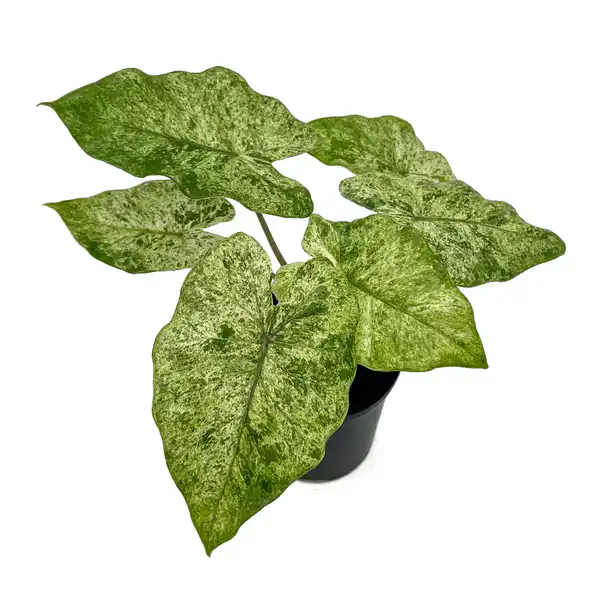
Alocasia Odora Batik Variegated
By providing these ideal conditions, your Alocasia odora ‘Batik Variegated’ will thrive and showcase its stunning, unique foliage.
| Color | |
|---|---|
| Colour | |
| Price | |
| Type |
Only logged in customers who have purchased this product may leave a review.
Related products
-
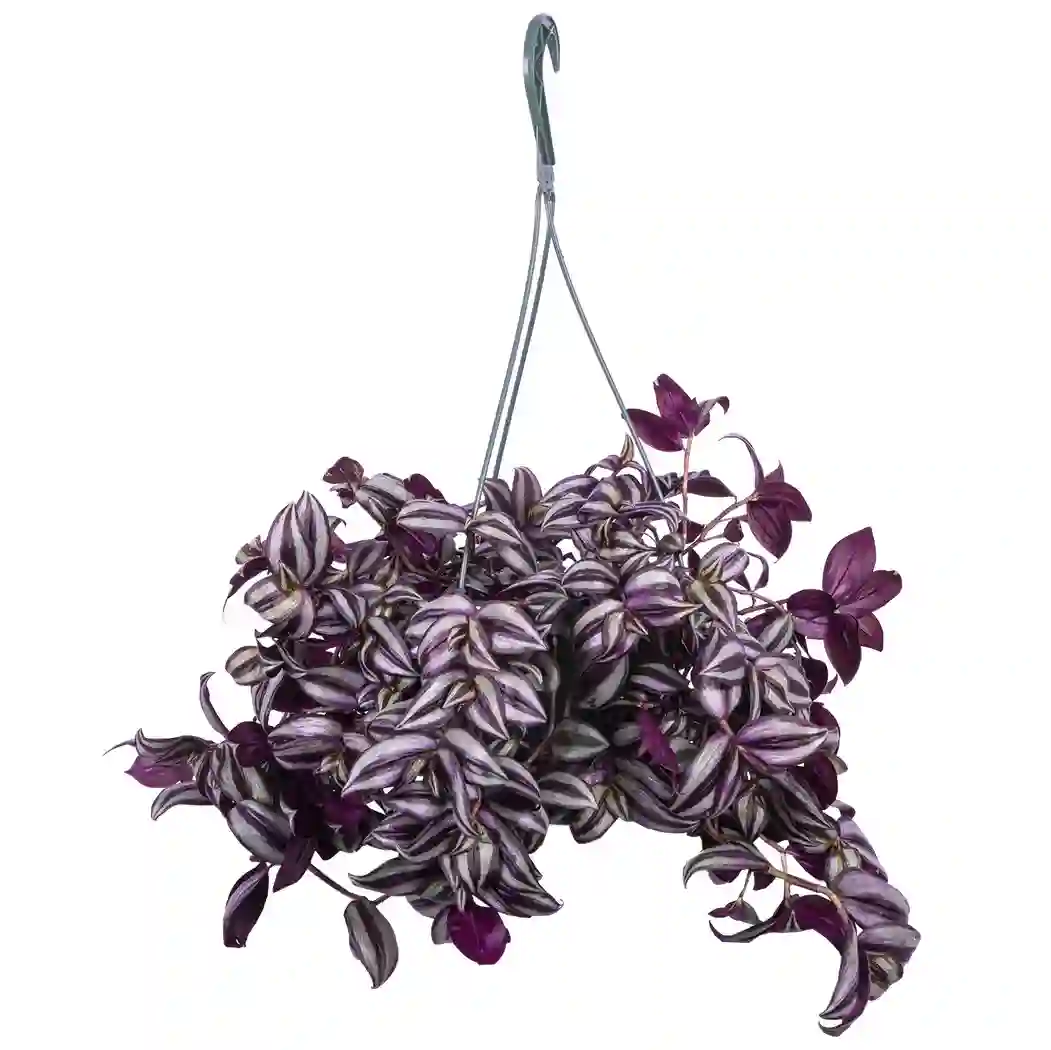
Wandering Jew Plant
Original price was: ₹305.00.₹149.00Current price is: ₹149.00.Add to cartSelling size: This plant comes in a 2.5″ Square pot The Wandering Jew Plant, also known as the Tradescantia! They’re such vibrant and easy-to-love plants. To keep yours thriving, here’s a rundown of Wandering Jew Plant care needs: Light: They absolutely love bright, indirect sunlight. Think of a spot near an east- or west-facing window …
-
Dischidia Ruscifolia (Million Hearts)
Original price was: ₹695.00.₹375.00Current price is: ₹375.00.Add to cartPlant Size: Single plant | 2.5″ Pot Included | Free Shipping The Dischidia ruscifolia, commonly known as the Million Hearts plant, is a delightful and easy-to-care-for trailing epiphyte. Its name comes from the abundance of small, heart-shaped leaves that densely cover its slender stems. As a member of the same family as Hoyas, its …
-
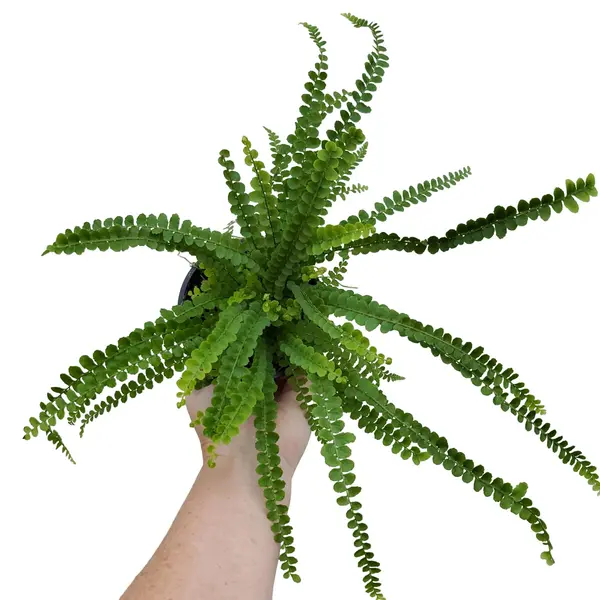
Lemon Button Fern Plant
Original price was: ₹539.00.₹179.00Current price is: ₹179.00.Add to cartSelling Size: Single plant | 2.5″ Pot Included The Lemon Button Fern (Nephrolepis cordifolia ‘Duffii’) is a popular and relatively easy-to-care-for fern. It’s known for its compact, arching fronds with small, button-like leaves and a subtle, lemony scent when you brush against them. Unlike some ferns, it’s a bit more forgiving of indoor conditions, making …
-
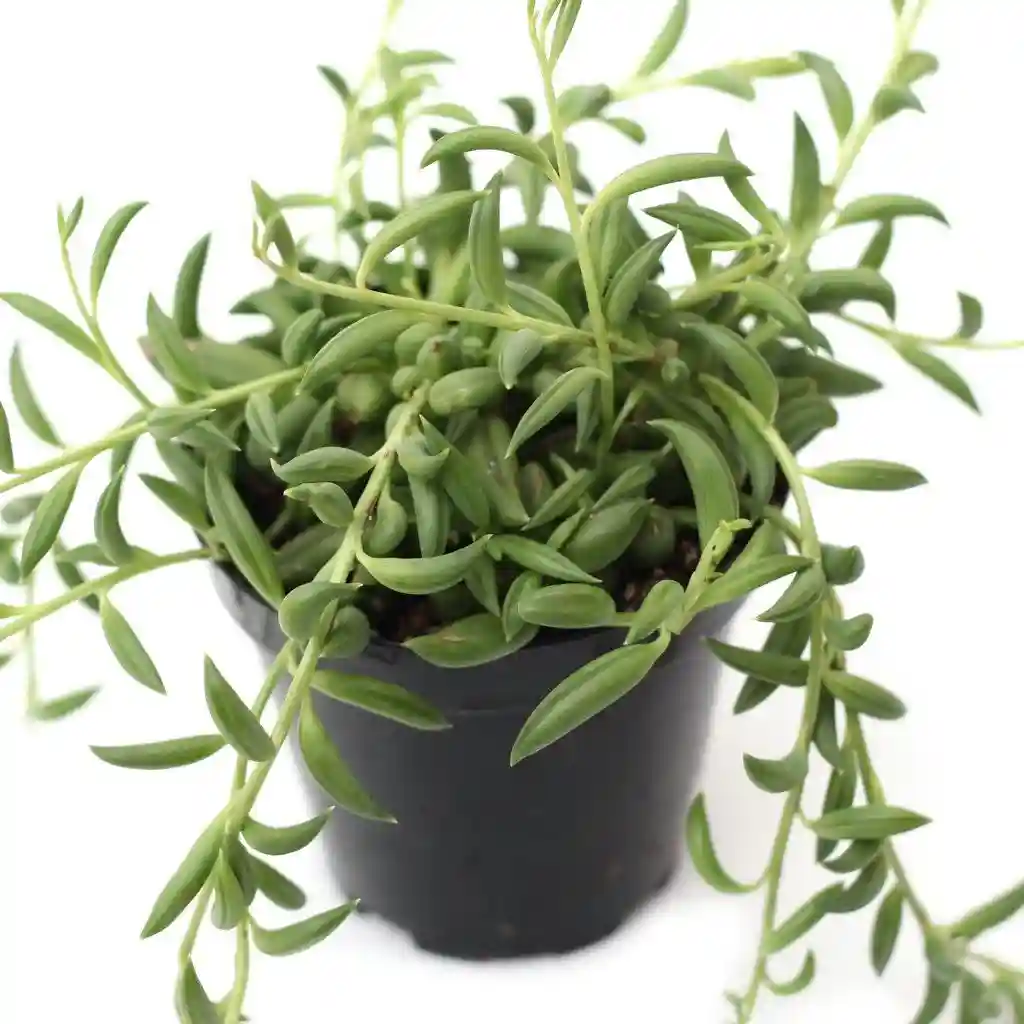
String of Bananas
Original price was: ₹450.00.₹249.00Current price is: ₹249.00.Add to cartSelling size: Mentioned in last Picture | Secure Packing The String of Bananas (Curio radicans or Senecio radicans) is a charming trailing succulent known for its long, cascading stems covered in plump, banana-shaped leaves. It’s a popular choice for hanging baskets and is generally easy to care for, especially for those who are new …
-
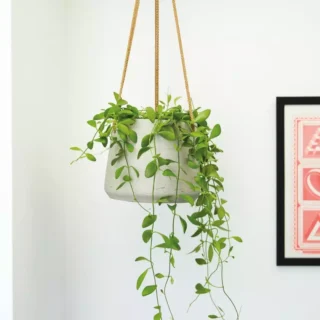
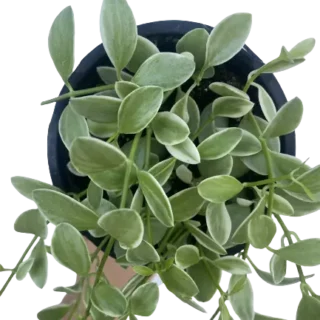
String Of Nickels (Dischidia nummularia)
Select options This product has multiple variants. The options may be chosen on the product pageSelling size: Well rooted plant in a Jiffy bag The Dischidia nummularia, commonly known as the String of Nickels or Button Orchid, is a delightful and easy-to-care-for trailing epiphyte. Its common name comes from its small, round, coin-shaped leaves that densely cover its long, slender stems. As a relative of the Hoya, it shares a …
-
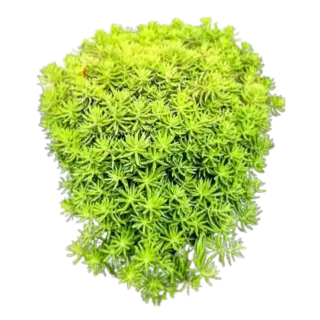
Golden Sedum Plant
Original price was: ₹549.00.₹349.00Current price is: ₹349.00.Add to cartSelling size: Well rooted plan | 2.5″ pot included The Golden Sedum (Sedum adolphii) is a popular succulent known for its bright, fleshy, evergreen leaves that can take on a beautiful golden-yellow or even reddish-pink tint in bright sun. It has a trailing or spreading growth habit, making it a great choice for hanging baskets, …
-
Golden Pothos
Original price was: ₹355.00.₹99.00Current price is: ₹99.00.Add to cartSelling size : Well rooted plant | 2.5″ pot included The Golden Pothos (Epipremnum aureum), also known as Devil’s Ivy, is one of the most popular and easiest houseplants to care for, making it an excellent choice for beginners. It’s a vining plant with heart-shaped leaves that are a vibrant green, often with splashes or …

 If you need any assistance, I'm always here. Have you found what you were looking for?
Reviews
There are no reviews yet.