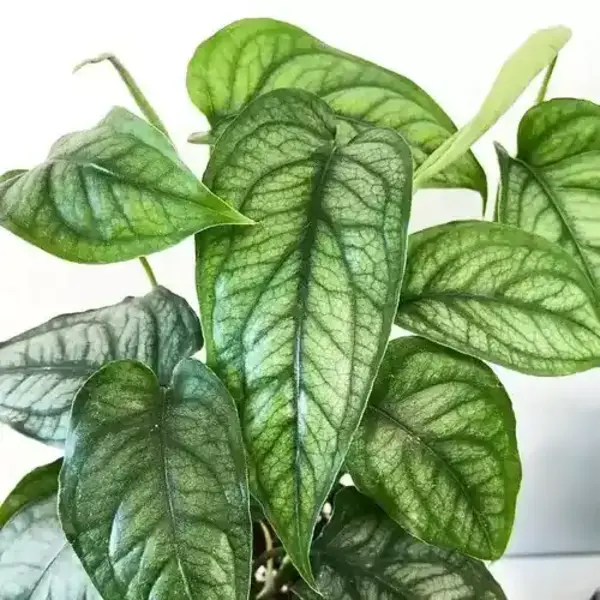
Monstera Siltepecana, Silver Monstera Plant – Rare
Original price was: ₹5,600.00.₹1,999.00Current price is: ₹1,999.00.
2 in stock
Selling size: Single plant (2-3 leaves) | pot included | Free shipping
Monstera siltepecana, commonly known as the Silver Monstera, is a rare climbing aroid admired for its elongated, silver-patterned juvenile leaves and dramatic transformation into fenestrated adult foliage when allowed to climb. Native to the humid tropical forests of Mexico and Central America, this plant thrives in warm, filtered-light environments and grows beautifully indoors when its basic needs are met. Below is a detailed 600-word care guide to help you maintain a healthy and fast-growing Monstera siltepecana.

Monstera siltepecana – Silver Monstera Plant (Rare) Care Guide :
Light Requirements
Silver Monstera prefers bright, indirect light, similar to the scattered sunlight of its native forest habitat. Place it near an east-facing window or a bright room where it can receive plenty of light without exposure to direct sun. Harsh sunlight may scorch the delicate silver leaves and cause the foliage to fade. In lower light conditions, growth slows, leaf size reduces, and the plant may stretch, losing its compact form. If natural light is insufficient, a medium-strength grow light can support healthy growth, especially during monsoon or winter months.
Watering
Monstera siltepecana enjoys moderately moist soil, neither too dry nor soggy. Water the plant when the top 2–3 cm of the soil feels dry to touch. Always allow excess water to drain out completely. Overwatering can lead to root rot, yellowing leaves, and fungal issues. Underwatering, on the other hand, causes crisp edges and drooping foliage. Use room-temperature water and reduce watering frequency slightly during colder months. In summer, keep an eye on the soil moisture as the plant dries out more quickly.
Humidity
Like most tropical Monsteras, siltepecana thrives in high humidity levels of 60–80%. High humidity helps maintain the silver pattern on the leaves and supports vigorous, lush growth. If the air is dry, especially due to AC use, increase humidity using a humidifier, pebble tray, or by grouping plants together. Avoid misting directly on the leaves during winter because moisture can sit on the surface and promote fungal spots. Good airflow combined with humidity ensures healthy, pest-free leaves.
Temperature
The ideal temperature range for Monstera siltepecana is 18–30°C. It does not tolerate cold temperatures or sudden drafts. Avoid placing it near doors, open windows, or directly in front of AC vents. In winter, keep it in a warm corner where the temperature doesn’t drop below 15°C. Maintaining stable warmth encourages the plant to grow continuously throughout the year.

Soil
This rare Monstera needs a well-draining, chunky aroid mix similar to what climbing Monsteras prefer. The ideal mix includes:
-
40% cocopeat or peat moss
-
20% perlite
-
20% orchid bark
-
10% charcoal
-
10% coco chips or pumice
This soil mix offers excellent aeration, retains moisture, and prevents root rot. A slightly airy medium also encourages strong root growth, which is important for climbing varieties.
Fertilisation
Feed the plant with a balanced liquid fertilizer (NPK 20-20-20 or similar) every 2–3 weeks during the growing season (February to October). Dilute the fertilizer to half strength to avoid salt buildup. Organic alternatives such as seaweed extract, vermicompost tea, and humic acids work wonderfully to enhance leaf size and maintain rich silver patterns. Avoid fertilising during cold months unless the plant shows active growth.
Support & Growth Habit
Monstera siltepecana naturally climbs trees in the wild, and it performs best when given a moss pole or coco pole. As it climbs, the leaves become larger, darker, and may develop fenestrations as the plant matures. Without support, it grows as a trailing plant but the leaves will remain smaller and juvenile. Train the aerial roots onto the pole for faster vertical growth.
Pruning & Maintenance
Prune the plant occasionally to maintain shape and encourage branching. Remove yellow or damaged leaves using sterilised scissors. Wipe the leaves with a soft, damp cloth to maintain their silver shine and remove dust. Rotate the pot monthly to ensure even light exposure and balanced growth.

Propagation
This species is very easy to propagate through stem cuttings. Ensure each cutting includes at least one node. Root it in water, moss, or a light aroid mix. Keep humidity high, and roots generally appear within 2–3 weeks. Once rooted, transfer the cutting to soil and support it with a small pole.
Pests & Problems
Common pests include spider mites, thrips, and mealybugs, especially when humidity is low. Inspect the underside of leaves regularly and treat infestations with neem oil or insecticidal soap. Yellowing leaves often indicate overwatering, while pale leaves suggest insufficient light.
| Color | |
|---|---|
| Colour | |
| Price | |
| Type |
Only logged in customers who have purchased this product may leave a review.
Related products
-

Calathiya Rattlesnake Plant
Select options This product has multiple variants. The options may be chosen on the product pageSelling size: Please Choose | Secure Packing | 2.5″-4″ Pot Included Calathiya rattlesnake is a plant easy to care for. However, there are a few measures and precautions you need to take to grow and maintain yours. Here’s a comprehensive guide for rattlesnake plant : Light Calathea Lancifolia prefers bright, indirect light. Like most variegated …
-
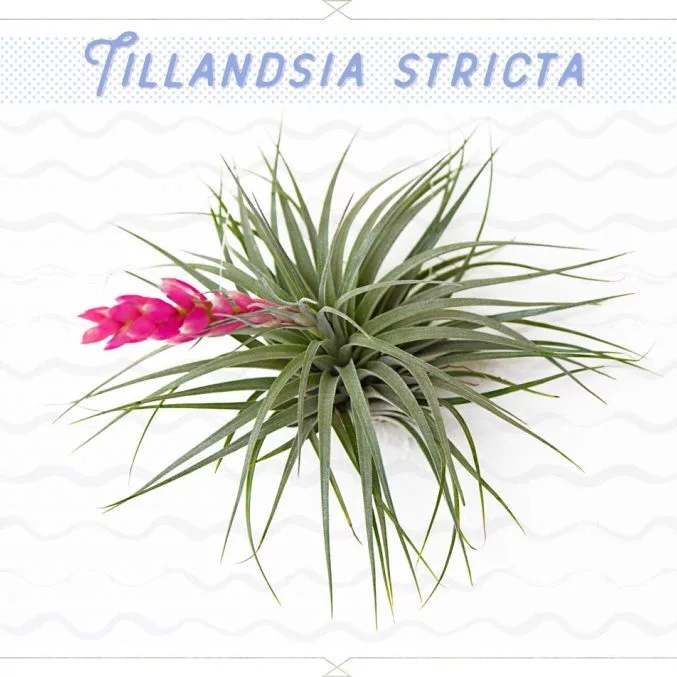
Tillandsia Stricta (Air plant)
Original price was: ₹400.00.₹199.00Current price is: ₹199.00.Add to cartSelling size: Single plant | Secure Packing The Tillandsia Stricta (Air plant) is one of the most popular and adaptable species of air plants, known for its soft, green-silver foliage and beautiful blooms. Like all air plants, it is epiphytic, meaning it absorbs all its water and nutrients through its leaves from the air, not …
-
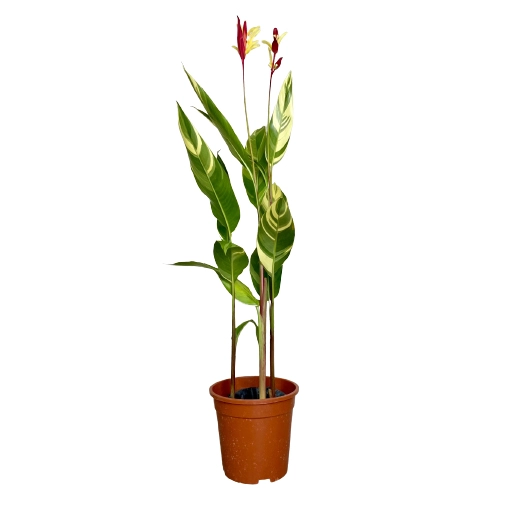
Heliconia Variegated – Super Rare
Original price was: ₹2,599.00.₹1,099.00Current price is: ₹1,099.00.Add to cartPlant size: Single plant | Pot Included | Free shipping The Variegated Heliconia (often a cultivar of Heliconia psittacorum, like ‘Lady Di’ or ‘Golden Torch’) is a striking tropical plant known for its banana-like leaves splashed with stripes of cream, yellow, or white. It is a demanding plant, requiring specific tropical conditions to thrive, especially …
-
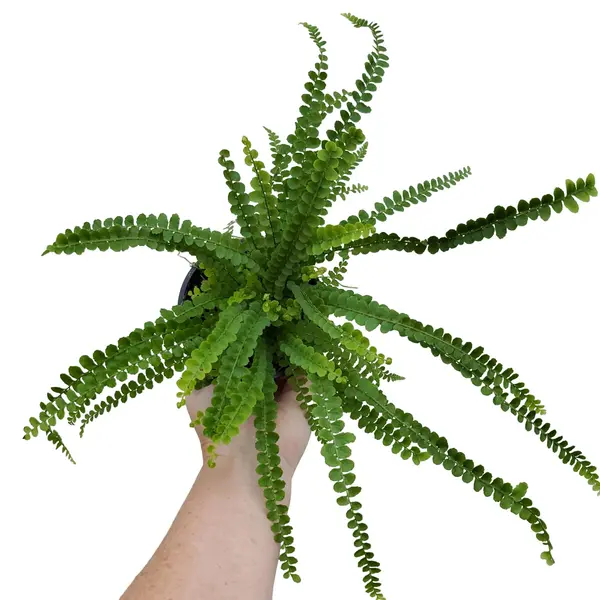
Lemon Button Fern Plant
Original price was: ₹539.00.₹179.00Current price is: ₹179.00.Add to cartSelling Size: Single plant | 2.5″ Pot Included The Lemon Button Fern (Nephrolepis cordifolia ‘Duffii’) is a popular and relatively easy-to-care-for fern. It’s known for its compact, arching fronds with small, button-like leaves and a subtle, lemony scent when you brush against them. Unlike some ferns, it’s a bit more forgiving of indoor conditions, making …
-
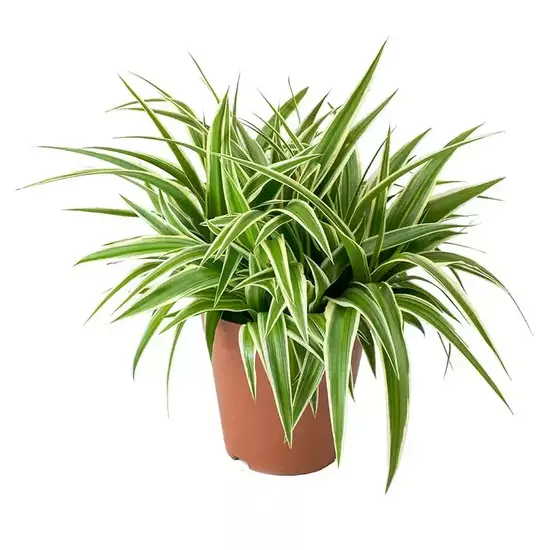
Chlorophytum Spider Live Plant
Original price was: ₹249.00.₹99.00Current price is: ₹99.00.Add to cartSelling size: Well rooted Single plant | 2.5″ Pot included Chlorophytum Spider, also the Spider Plant is an impressive houseplant which is the perfect plant for any beginner. A NASA certified air purifier, its long, green foliage with white variegations look good in both hanging planters and as desktop setups. In favourable conditions, it blooms …
-
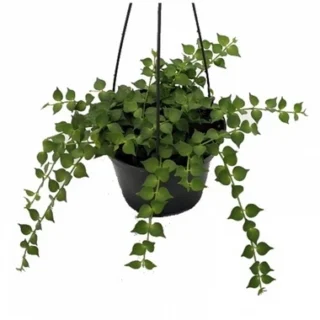
Dischidia Ruscifolia (Million Hearts)
Original price was: ₹695.00.₹375.00Current price is: ₹375.00.Add to cartPlant Size: Single plant | 2.5″ Pot Included | Free Shipping The Dischidia ruscifolia, commonly known as the Million Hearts plant, is a delightful and easy-to-care-for trailing epiphyte. Its name comes from the abundance of small, heart-shaped leaves that densely cover its slender stems. As a member of the same family as Hoyas, its …
-
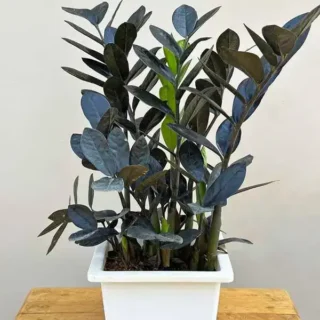
Black zz plant, Raven ZZ Plant
Select options This product has multiple variants. The options may be chosen on the product pageSelling size: Please Choose (Single – Bushy) | 2.5″-5” Pot Included | Secure Packing The Black ZZ Plant, or Raven ZZ Plant (Zamioculcas zamiifolia ‘Raven’), is a popular, exceptionally resilient houseplant known for its striking, nearly black foliage. It shares the easy-care nature of the standard green ZZ plant, making it perfect for beginners or …
-
Dischidia Oiantha plant
Original price was: ₹695.00.₹375.00Current price is: ₹375.00.Add to cartPlant Size: Single plant | 2.5″ Pot Included | Free Shipping | Secure Packing The Dischidia oiantha, often referred to as a “Hoya cousin,” is a charming, easy-to-care-for epiphyte with trailing vines and small, oval, succulent-like leaves. It’s a great choice for hanging baskets or for adding a touch of whimsy to a shelf. Here …
 If you need any assistance, I'm always here. Have you found what you were looking for?
Reviews
There are no reviews yet.