Philodendron Sodiroi – Rare
Original price was: ₹6,850.00.₹599.00Current price is: ₹599.00.
1 in stock
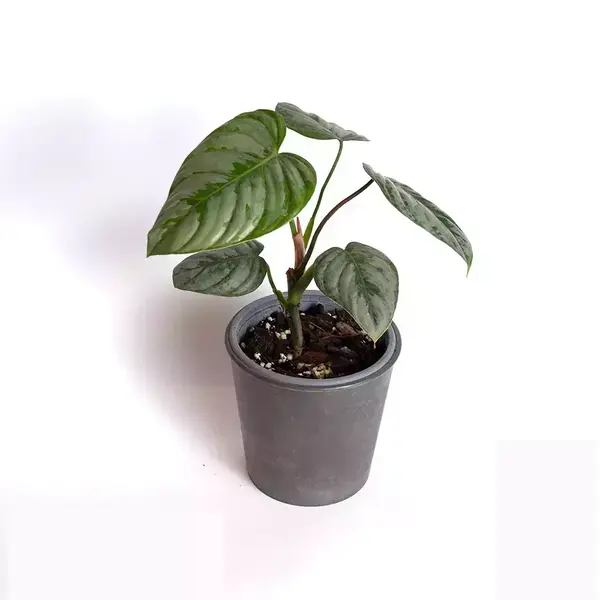
Selling size: Single plant | Pot Included | Free shipping
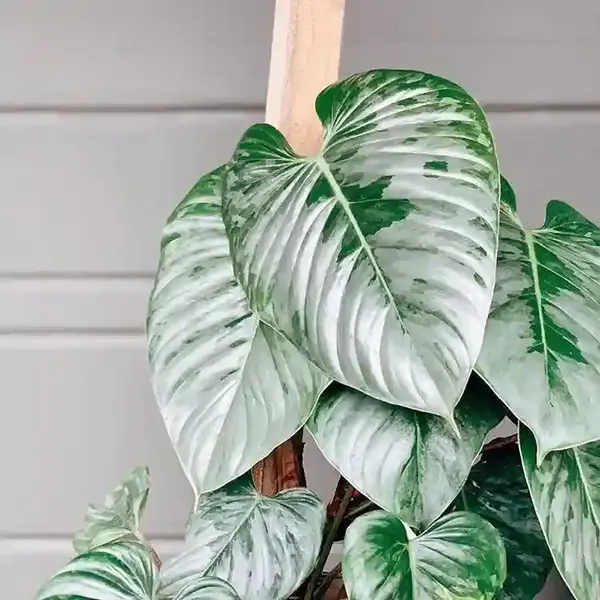
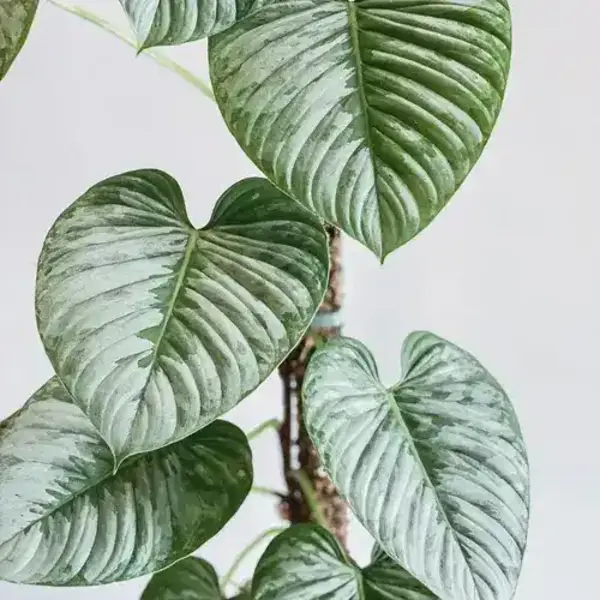
Philodendron Sodiroi is a breathtaking aroid treasured for its heart-shaped leaves, silver mottling, and elegant vining habit. As a rare species, it thrives when given stable warmth, controlled humidity, and loose, airy soil. With proper care, this plant grows steadily and produces large, shimmering foliage that makes it a collector’s favourite. Here is a complete 600-word care guide to help your Sodiroi stay healthy and vibrant.

Philodendron Sodiroi – Rare Plant Care Guide:
1. Light Requirements
Philodendron Sodiroi prefers bright, indirect light for lush growth and strong variegated patterns. A spot near an east or north-facing window is ideal, where the light is gentle and diffused. In south or west windows, always filter sunlight with a curtain because direct rays can burn the delicate silver patches on the leaves.
Too little light will cause the plant to produce smaller, elongated leaves with reduced silver variegation. If you notice stretching or dull colouring, move the plant closer to a brighter location or use a grow light. Artificial lights kept for 8–10 hours daily work well for indoor setups and maintain steady growth.
2. Watering
Watering correctly is key to keeping your Sodiroi healthy. This plant does not like staying soggy. Water only when the top 2–3 cm of soil feels dry. Overwatering is the most common problem and can lead to yellowing leaves, root rot, and fungus issues.
Water thoroughly until the extra water drains from the bottom, and always empty the saucer afterwards. During the growing season (March to September), the plant drinks more water. In winter, reduce watering slightly because growth slows and soil stays wet longer.
3. Humidity Needs
Philodendron Sodiroi thrives in high humidity between 60%–80%. Higher humidity encourages larger, thicker leaves and helps maintain its silver pattern. If your indoor air is dry, especially in AC rooms, use a humidifier, pebble tray, or keep the plant around other tropical plants to build a micro-climate. Mist lightly if needed, but avoid wetting the leaves too often, as this may encourage fungal spots.
4. Temperature
Keep the plant in warm conditions between 20°C–30°C. Sudden drops below 15°C can stress the plant and stop growth completely. Avoid placing it near cold drafts, heaters, or directly under AC vents. Sodiroi prefers stable, tropical warmth similar to its native rainforest habitats.

5. Soil Mix
A well-draining, airy soil mix is vital. The ideal combination includes:
-
40% cocopeat or peat moss
-
30% perlite or pumice
-
20% pine bark or orchid bark
-
10% charcoal or coco chips
This mix ensures oxygen at the roots and prevents waterlogging. Philodendrons love slightly moist but never compact soil. Repot every 1–2 years to refresh nutrients and give roots more space.
6. Fertilising
Feed your Philodendron Sodiroi once every 3–4 weeks during the growing season with a balanced liquid fertiliser (NPK 20-20-20 or similar). Avoid strong chemical fertilisers; dilute them to half strength. Slow-release pellets can also be used at the start of the season. Stop or reduce feeding during winter.
7. Support and Growth Habit
Sodiroi is a natural climber. Provide a moss pole or coir pole to help it climb and develop larger, better-shaped leaves. Without support, it may trail and produce smaller leaves. Keep the pole moist for best aerial root attachment.

8. Pests and Problems
Common pests include spider mites, thrips, and mealybugs. Inspect the undersides of leaves regularly. If pests appear, treat with neem oil, horticultural soap, or systemic insecticide for severe infestations.
Yellow leaves usually indicate overwatering, while brown crispy tips suggest low humidity or underwatering.
9. Propagation
Propagate through stem cuttings taken below a node with at least one healthy leaf. Root the cutting in water, moss, or aroid soil. High humidity and warmth help quick rooting.
| Size |
|---|
Only logged in customers who have purchased this product may leave a review.
Related products
-
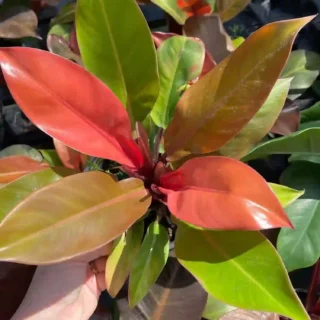
Philodendron ‘Prince of Orange’
Price range: ₹249.00 through ₹620.00Select options This product has multiple variants. The options may be chosen on the product pageSelling Size : Single Plant | Pot Included | Secure Packing The Philodendron ‘Prince of Orange’ is a stunning and popular hybrid known for its vibrant, ever-changing leaf colors. New leaves emerge as a brilliant orange or coppery color, and as they mature, they transition to a lime green, then a deep, glossy green. It …
-
Golden Pothos
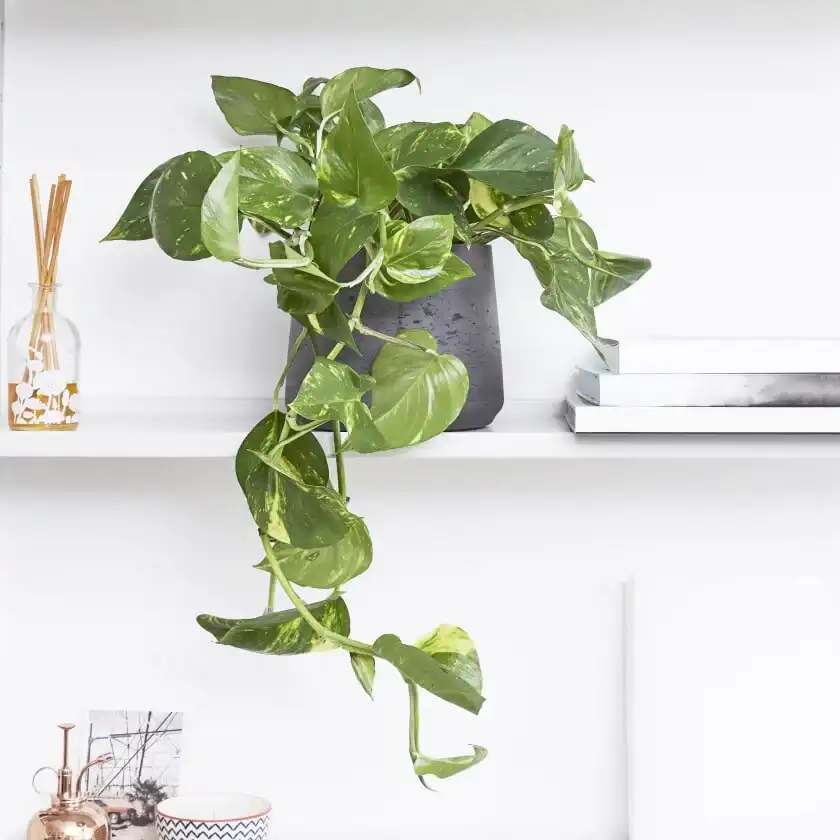
Original price was: ₹355.00.₹99.00Current price is: ₹99.00.Add to cartSelling size : Well rooted plant | 2.5″ pot included The Golden Pothos (Epipremnum aureum), also known as Devil’s Ivy, is one of the most popular and easiest houseplants to care for, making it an excellent choice for beginners. It’s a vining plant with heart-shaped leaves that are a vibrant green, often with splashes or …
-
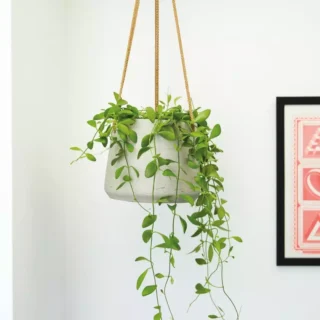
String Of Nickels (Dischidia nummularia)
Select options This product has multiple variants. The options may be chosen on the product pageSelling size: Well rooted plant in a Jiffy bag The Dischidia nummularia, commonly known as the String of Nickels or Button Orchid, is a delightful and easy-to-care-for trailing epiphyte. Its common name comes from its small, round, coin-shaped leaves that densely cover its long, slender stems. As a relative of the Hoya, it shares a …
-
Chlorophytum Spider Live Plant
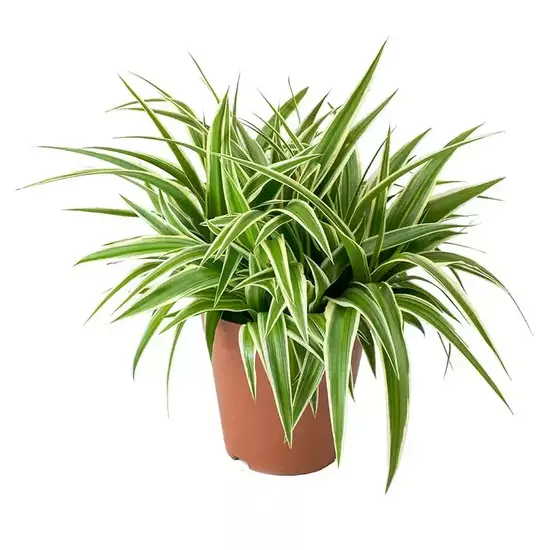
Original price was: ₹249.00.₹99.00Current price is: ₹99.00.Add to cartSelling size: Well rooted Single plant | 2.5″ Pot included Chlorophytum Spider, also the Spider Plant is an impressive houseplant which is the perfect plant for any beginner. A NASA certified air purifier, its long, green foliage with white variegations look good in both hanging planters and as desktop setups. In favourable conditions, it blooms …
-
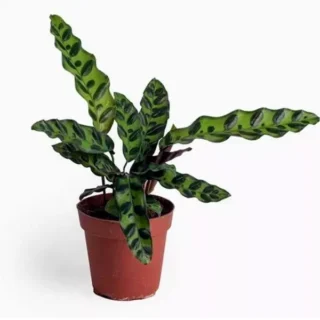
Calathiya Rattlesnake Plant
Select options This product has multiple variants. The options may be chosen on the product pageSelling size: Please Choose | Secure Packing | 2.5″-4″ Pot Included Calathiya rattlesnake is a plant easy to care for. However, there are a few measures and precautions you need to take to grow and maintain yours. Here’s a comprehensive guide for rattlesnake plant : Light Calathea Lancifolia prefers bright, indirect light. Like most variegated …
-
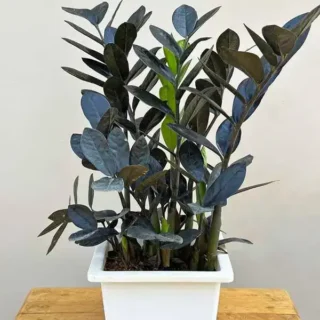
Black zz plant, Raven ZZ Plant
Select options This product has multiple variants. The options may be chosen on the product pageSelling size: Please Choose (Single – Bushy) | 2.5″-5” Pot Included | Secure Packing The Black ZZ Plant, or Raven ZZ Plant (Zamioculcas zamiifolia ‘Raven’), is a popular, exceptionally resilient houseplant known for its striking, nearly black foliage. It shares the easy-care nature of the standard green ZZ plant, making it perfect for beginners or …
-
Heliconia Variegated – Super Rare
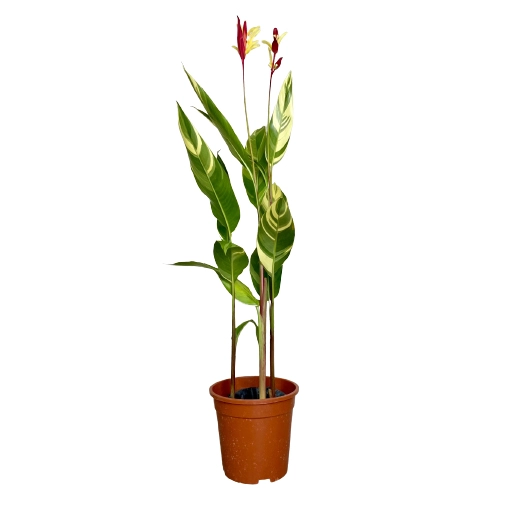
Original price was: ₹2,599.00.₹1,099.00Current price is: ₹1,099.00.Add to cartPlant size: Single plant | Pot Included | Free shipping The Variegated Heliconia (often a cultivar of Heliconia psittacorum, like ‘Lady Di’ or ‘Golden Torch’) is a striking tropical plant known for its banana-like leaves splashed with stripes of cream, yellow, or white. It is a demanding plant, requiring specific tropical conditions to thrive, especially …
-
Columbian Peperomia (Galaxy pepperomia)
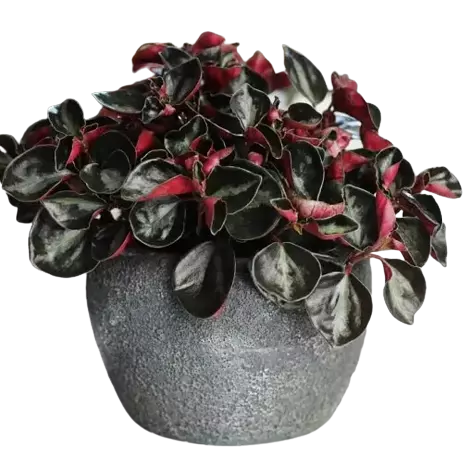
Original price was: ₹345.00.₹183.65Current price is: ₹183.65.Add to cartSelling size:Well rooted plant in a jiffy bag The Columbian Peperomia (Peperomia metallica var. columbiana) is a visually striking and relatively low-maintenance houseplant. It is also sometimes sold as “Galaxy Peperomia,” a name that hints at its unique foliage. This plant is known for its beautiful, semi-succulent leaves that have a dark green or bronze-purple …
 If you need any assistance, I'm always here. Have you found what you were looking for?
Reviews
There are no reviews yet.