
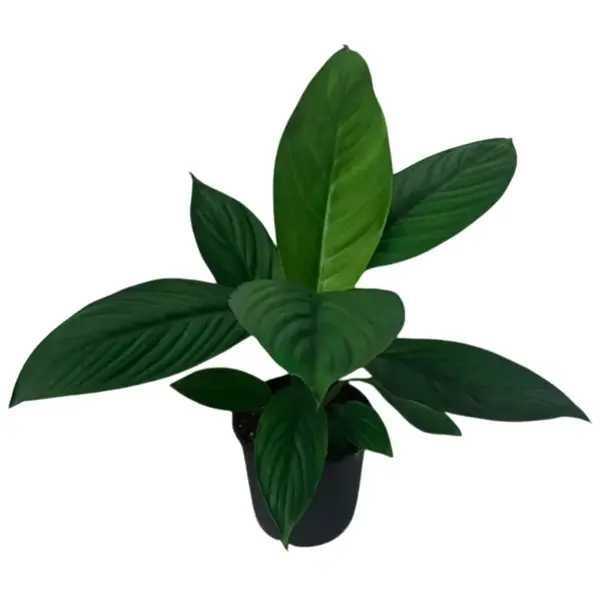
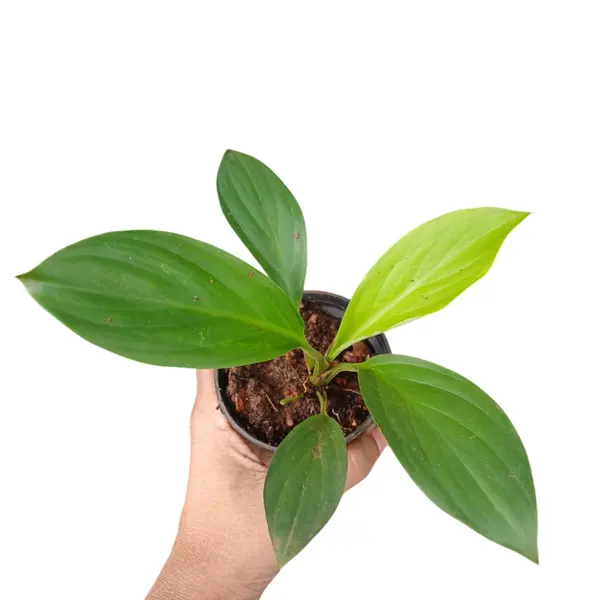
Spathiphyllum Peace Lily Hybrid
Selling size: Single plant| Pot/Grow bag included | Free shipping
The Spathiphyllum Peace Lily Hybrid is a widely popular, low-maintenance houseplant. Hybrids are often bred for size, bloom frequency, and resilience, but their basic care requirements remain the same as the classic Peace Lily.

Here is a comprehensive guide to caring for your Spathiphyllum Peace Lily Hybrid :
1. Light
2. Watering
Peace Lilies are famous for being dramatic and will visibly droop/wilt when they need a drink—this is a reliable indicator!
- When to Water: Water thoroughly when the top to inches of soil feel dry to the touch, or when the leaves begin to droop.
- How to Water: Water until it drains freely from the bottom of the pot. Discard any excess water from the saucer to prevent root rot.
- Water Type: Peace Lilies can be sensitive to chemicals in tap water (like chlorine and fluoride), which can cause brown leaf tips. Use filtered water, rainwater, or tap water that has sat out overnight (to allow chlorine to dissipate).
- The Problem with Overwatering: Overwatering is the most common cause of Peace Lily failure, leading to root rot and yellowing leaves.

3. Temperature & Humidity
- Temperature: They thrive in standard indoor temperatures between and ( and ).
- Avoid Cold: Keep them away from cold drafts, A/C vents, or windows in winter, as temperatures below () can cause damage.
- Humidity: Being tropical plants, they appreciate high humidity (50% or more).
- Mist the leaves occasionally.
- Place the pot on a pebble tray filled with water (making sure the bottom of the pot is not submerged).
- They do well in humid rooms like kitchens and bathrooms.
4. Soil and Repotting
- Soil Mix: Use a well-draining, all-purpose potting mix that is rich in organic matter. A mix containing peat moss, perlite, or coconut coir works well to balance moisture retention and drainage.
- Potting: They prefer to be slightly root-bound.
- Repot only when the roots are circling the pot or emerging from the drainage holes, typically every to years in the spring.
- When repotting, only move up to a pot to inches larger in diameter. A pot that is too large can hold excess water and increase the risk of root rot.
5. Fertilizing and Maintenance
- Fertilizer: Feed with a balanced liquid houseplant fertilizer (e.g., 20-20-20 or similar NPK ratio) every to weeks during the spring and summer growing season.
- Crucial Tip: Use a diluted concentration (half- or quarter-strength) to prevent salt buildup, which can also cause brown leaf tips. Do not fertilize in fall or winter.
- Pruning:
- Snip off faded flowers (spathes) and their entire stem at the base of the plant to encourage new blooms.
- Remove any yellow or brown leaves at the soil line to keep the plant tidy and healthy.
- Cleaning: Wipe the glossy leaves with a damp cloth every few weeks to remove dust, which helps maximize light absorption (photosynthesis).

Peace Lilies contain insoluble calcium oxalate crystals and are considered mildly toxic to both cats, dogs, and humans if chewed or ingested.
- Symptoms: Intense burning/irritation of the mouth, tongue, and lips, excessive drooling, vomiting, and difficulty swallowing.
- Action: Keep the plant out of reach. If ingestion occurs, rinse the mouth and contact a veterinarian or poison control immediately.
Only logged in customers who have purchased this product may leave a review.
Related products
-
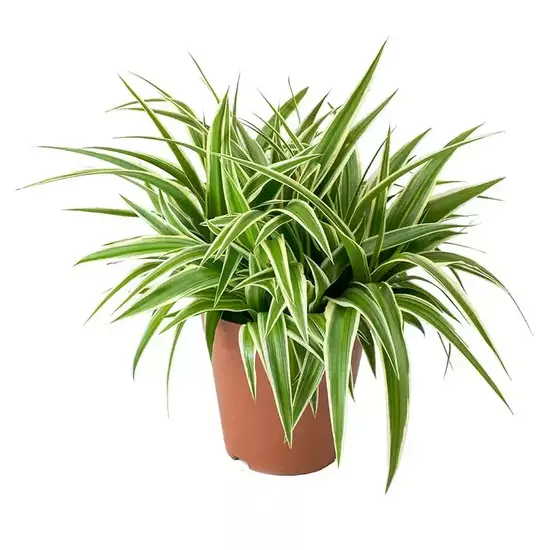
Chlorophytum Spider Live Plant
Original price was: ₹249.00.₹99.00Current price is: ₹99.00.Add to cartSelling size: Well rooted Single plant | 2.5″ Pot included Chlorophytum Spider, also the Spider Plant is an impressive houseplant which is the perfect plant for any beginner. A NASA certified air purifier, its long, green foliage with white variegations look good in both hanging planters and as desktop setups. In favourable conditions, it blooms …
-
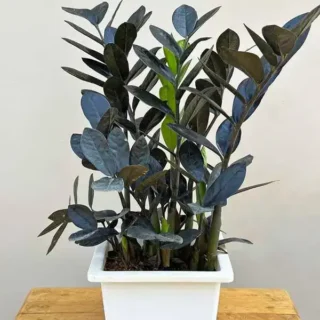
Black zz plant, Raven ZZ Plant
Select options This product has multiple variants. The options may be chosen on the product pageSelling size: Please Choose (Single – Bushy) | 2.5″-5” Pot Included | Secure Packing The Black ZZ Plant, or Raven ZZ Plant (Zamioculcas zamiifolia ‘Raven’), is a popular, exceptionally resilient houseplant known for its striking, nearly black foliage. It shares the easy-care nature of the standard green ZZ plant, making it perfect for beginners or …
-
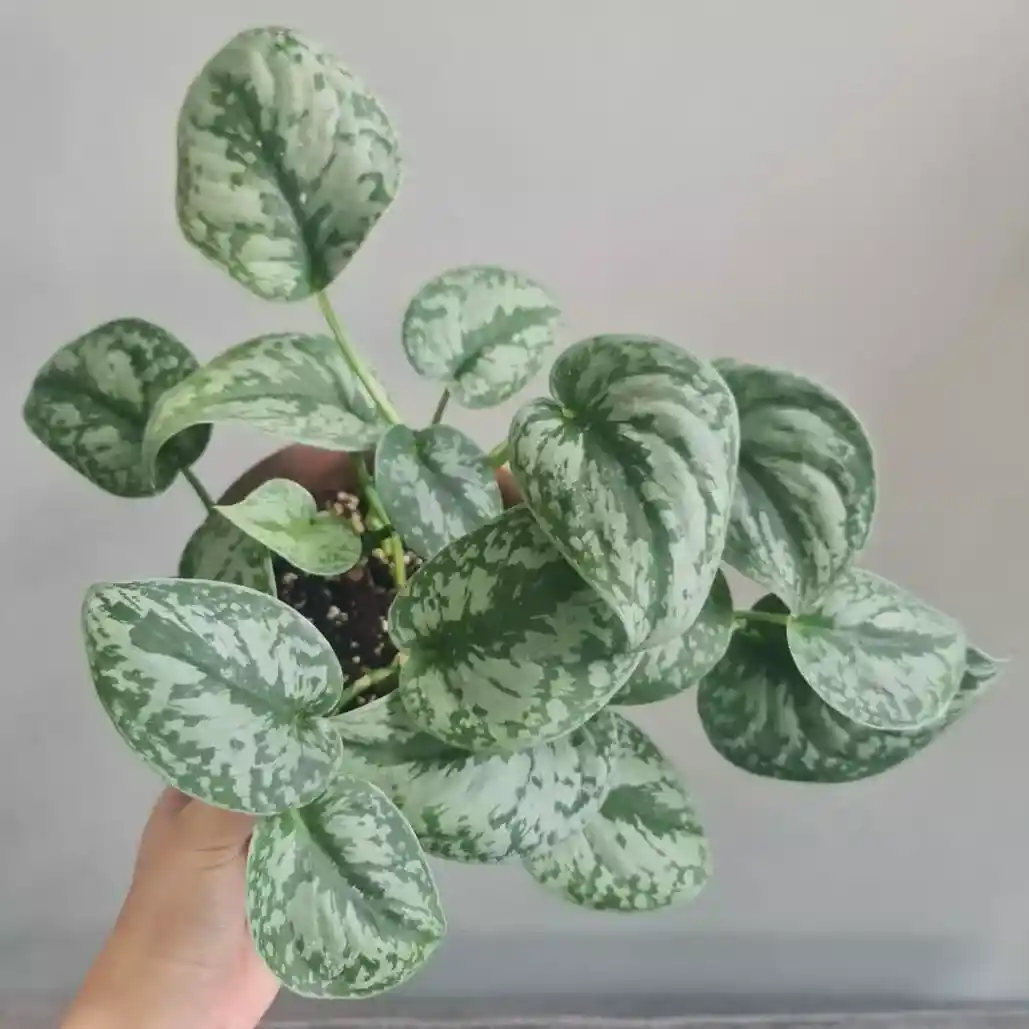
Scindapsus Pictus Exotica
Original price was: ₹380.00.₹99.00Current price is: ₹99.00.Add to cartSelling size: Single Plant | 2.5″ Pot Included The Scindapsus Pictus Exotica, also known as the silver pothos, is a houseplant with large, dark green leaves that have silver spots and mottling. Here’s a guide to caring for your Scindapsus pictus Exotica plant: Light: Prefers bright, indirect light. An east or west-facing window that’s about …
-
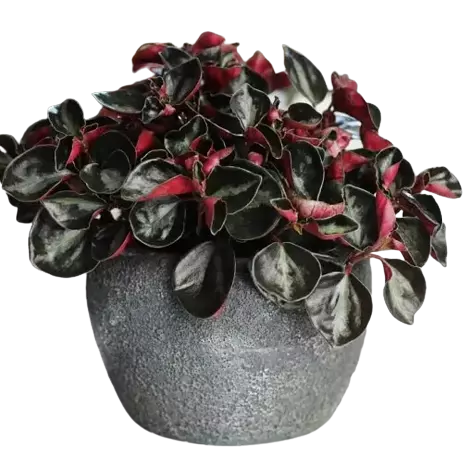
Columbian Peperomia (Galaxy pepperomia)
Original price was: ₹345.00.₹183.65Current price is: ₹183.65.Add to cartSelling size:Well rooted plant in a jiffy bag The Columbian Peperomia (Peperomia metallica var. columbiana) is a visually striking and relatively low-maintenance houseplant. It is also sometimes sold as “Galaxy Peperomia,” a name that hints at its unique foliage. This plant is known for its beautiful, semi-succulent leaves that have a dark green or bronze-purple …
-
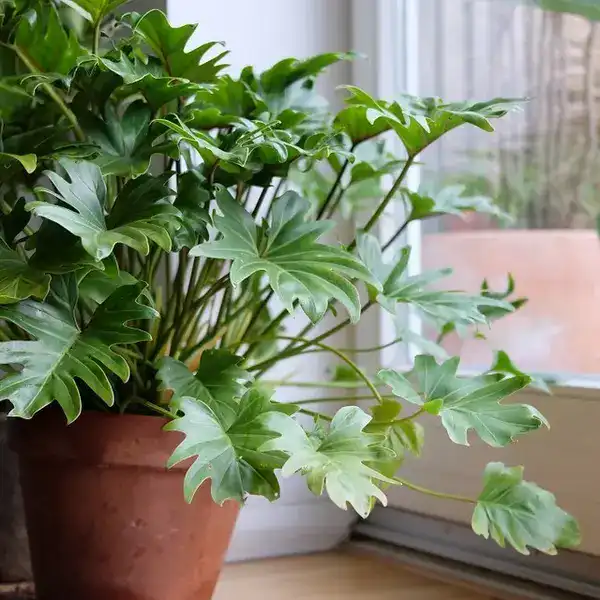
Philodendron Xanadu
Original price was: ₹450.00.₹199.00Current price is: ₹199.00.Add to cartSelling size:Well rooted plant | 2.5″ Pot Included | Secure Packing The Philodendron Xanadu, now officially classified as Thaumatophyllum xanadu, is a fantastic and relatively easy-to-care-for houseplant. It’s known for its compact, bushy growth habit and deeply lobed, glossy green leaves that give it a sophisticated, tropical look. Here is a complete guide to caring …
-
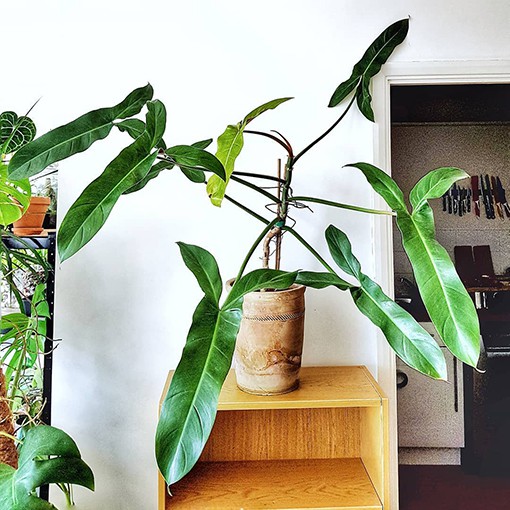
Philodendron Mexicanum
Original price was: ₹1,090.00.₹749.00Current price is: ₹749.00.Add to cartSelling size: Single Plant | Pot included The Philodendron mexicanum is a beautiful vining plant known for its long, arrow-shaped leaves with a striking deep maroon or reddish underside. As its name suggests, it is native to the tropical forests of Mexico. It’s a relatively easy-to-care-for plant, especially for those familiar with other vining philodendrons. …
-
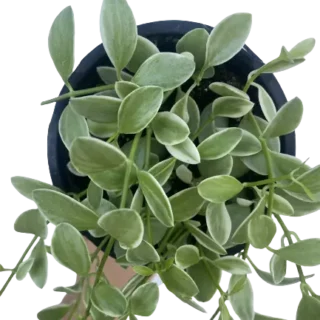
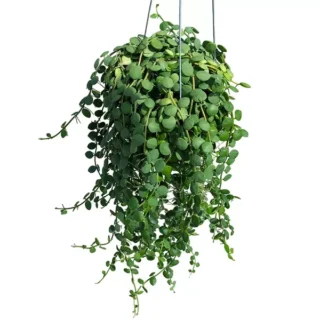
Dischidia nummularia (Pebble Beach/ Button Orchid)
Original price was: ₹655.00.₹375.00Current price is: ₹375.00.Add to cartPlant Size: Single plant | 2.5″ Pot Included | Free Shipping he Dischidia nummularia, commonly known as the String of Nickels, Pebble Beach plant, or Button Orchid, is a charming epiphyte with trailing stems covered in small, round, succulent-like leaves. It’s a great choice for hanging baskets and is known for being relatively easy to …
 If you need any assistance, I'm always here. Have you found what you were looking for?
Reviews
There are no reviews yet.