
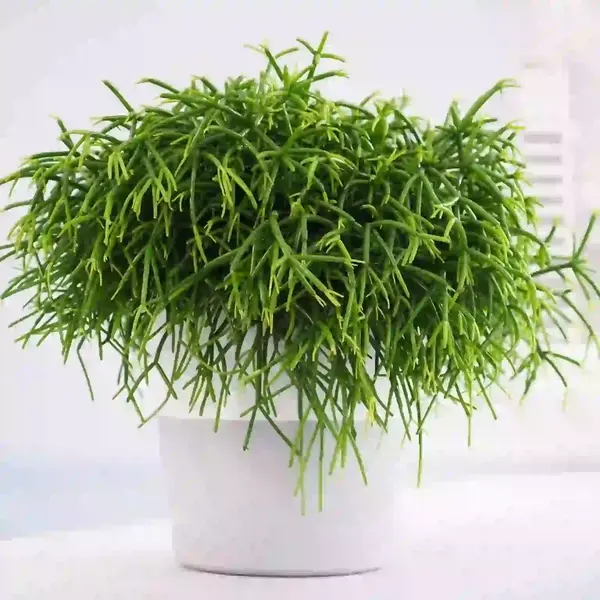

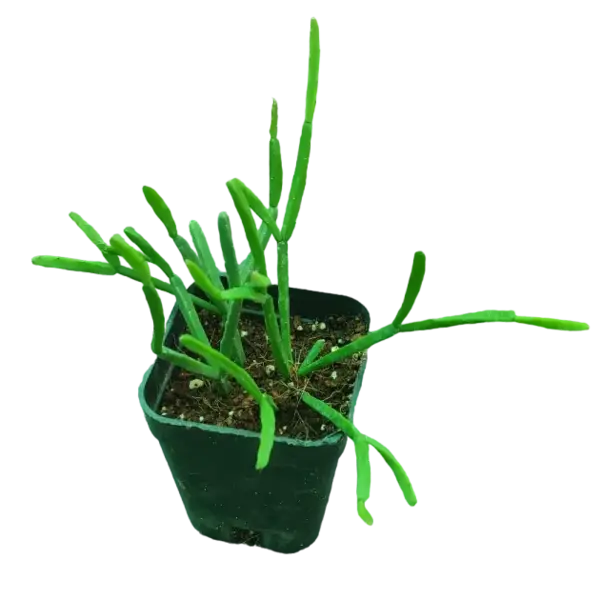
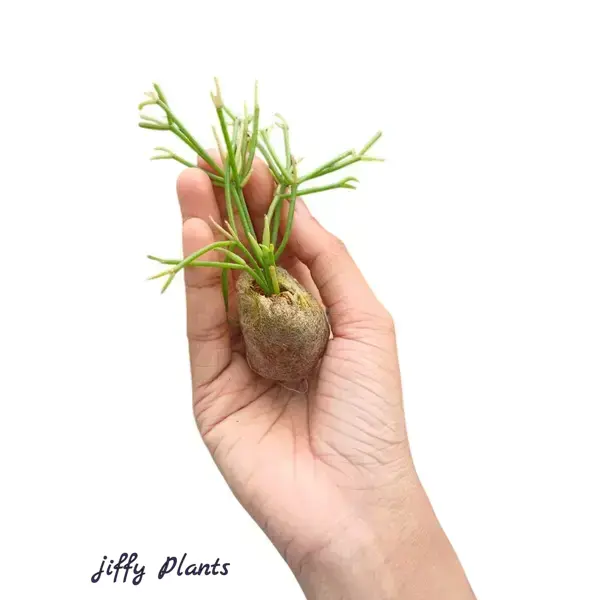
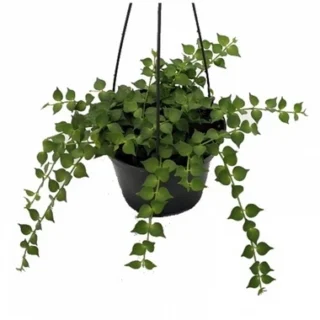
Rhipsalis baccifera ‘Oasis'(Pencil cactus)
Selling size: Well rooted bushy plant | 2.5″ pot included
Rhipsalis baccifera ‘Oasis'(Pencil cactus), often referred to as Pencil Cactus, is a graceful, trailing epiphytic cactus known for its slender, pencil-like stems and soft, cascading form. Unlike desert cacti, Rhipsalis naturally grows in tropical forests, hanging from trees and rocks where it receives filtered light and regular moisture. This makes it an excellent choice for indoor hanging baskets, shelves, and bright shaded balconies. Below is a detailed care guide to help your Rhipsalis baccifera ‘Oasis’ thrive.

Rhipsalis baccifera ‘Oasis’ (Pencil Cactus) – Complete Care Guide :
Light Requirements
Rhipsalis baccifera prefers bright, indirect light. In its natural habitat, it grows under forest canopies, protected from harsh sun. Indoors, place it near an east- or north-facing window, or a few feet away from a brighter window with sheer curtains. Gentle morning sun is acceptable, but strong direct sunlight can cause stem yellowing or scorching.
Too little light may result in weak, elongated growth, while too much sun can stress the plant. Balanced, filtered light encourages healthy, full trailing stems.
Watering
Unlike typical cacti, Rhipsalis enjoys regular watering. Keep the soil lightly moist, but never soggy. Water when the top 3–4 cm of soil feels dry. During warm growing months, watering may be required once or twice a week, while in cooler seasons watering should be reduced.
Ensure excess water drains freely from the pot. Prolonged waterlogging can cause root rot. Use room-temperature, preferably filtered or rainwater, as Rhipsalis is sensitive to mineral buildup from hard water.
Soil and Potting
Rhipsalis baccifera requires a well-draining yet organic-rich potting mix. An epiphytic cactus or orchid mix works best. You can also prepare your own mix using coco peat or peat moss, orchid bark, perlite, and a small amount of compost. This mix mimics its natural growing conditions by providing airflow and moisture retention.
Choose a pot with good drainage holes. Hanging baskets are ideal for showcasing its trailing habit. Repot every 2–3 years or when the plant becomes root-bound, preferably during the growing season.

Temperature and Humidity
As a tropical cactus, Rhipsalis baccifera ‘Oasis’ prefers warm temperatures between 18–30°C. It does not tolerate cold well and should be protected from temperatures below 12–15°C. Avoid cold drafts, air conditioners, and sudden temperature changes.
High humidity greatly benefits this plant. Aim for 60–80% humidity. It performs exceptionally well in bathrooms, kitchens, or humid rooms. In dry environments, use a humidifier or group plants together to increase humidity.
Fertilizing
Feed Rhipsalis lightly during the active growing season (spring and summer). Use a diluted balanced liquid fertilizer or cactus fertilizer at half strength every 4–6 weeks. Avoid heavy feeding, as excess fertilizer can cause soft, weak growth.
Stop or significantly reduce fertilizing during winter when growth slows.
Pruning and Propagation
Pruning is minimal but can be done to control length or shape. Trim overly long or tangled stems using clean scissors. Pruning encourages branching and a fuller appearance.
Rhipsalis is easy to propagate from stem cuttings. Allow cuttings to dry for a few hours, then place them in a lightly moist, well-draining mix. Roots usually form within a few weeks in warm, humid conditions.
Pests and Common Problems
Rhipsalis is generally pest-resistant but may occasionally attract mealybugs or spider mites, especially in dry air. Treat infestations early with neem oil or insecticidal soap.
-
Shriveled stems: Usually a sign of underwatering or low humidity.
-
Yellowing or soft stems: Often caused by overwatering or poor drainage.

Decorative Uses
Rhipsalis baccifera ‘Oasis’ is perfect for hanging baskets, shelves, and modern interiors. Its flowing, pencil-thin stems add softness and movement, making it an excellent accent plant.
Conclusion
Rhipsalis baccifera ‘Oasis’ (Pencil Cactus) is a unique, low-maintenance tropical cactus that brings elegance and greenery to indoor spaces. With bright indirect light, regular but careful watering, high humidity, and well-draining soil, it will grow lush and trailing. Understanding its tropical nature—rather than treating it like a desert cactus—is the key to long-term success.
Only logged in customers who have purchased this product may leave a review.
You may also like…
-
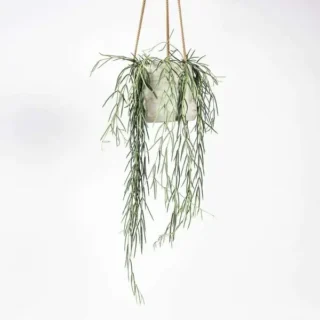
Mistletoe cactus (Pencil catcus miniature) 🌵
Select options This product has multiple variants. The options may be chosen on the product pageSelling size: Well rooted plant | 2.5″ Pot Included | Secure Packing The Mistletoe cactus (Pencil catcus miniature) 🌵, often called Pencil Cactus Miniature in the houseplant trade, belongs to the genus Rhipsalis. Unlike desert cacti, this plant is a tropical epiphytic cactus, naturally growing on tree branches in rainforests. Its thin, pencil-like trailing stems …
-
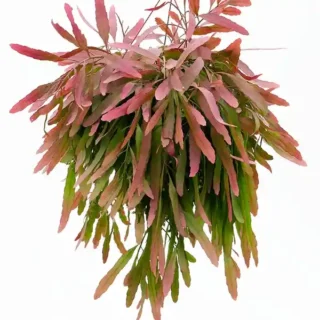
Pseudorhipsalis Ramulosa, Red Mistletoe Cactus
Select options This product has multiple variants. The options may be chosen on the product pageSelling size: Single Plant | 2.5″ Pot Included The Pseudorhipsalis ramulosa, also known as the Red Mistletoe Cactus, is an epiphytic cactus native to the tropical rainforests of Central and South America. Unlike its desert relatives, this cactus has flat, ribbon-like stems and thrives in humid environments with indirect light. Here’s a guide to caring …
Related products
-
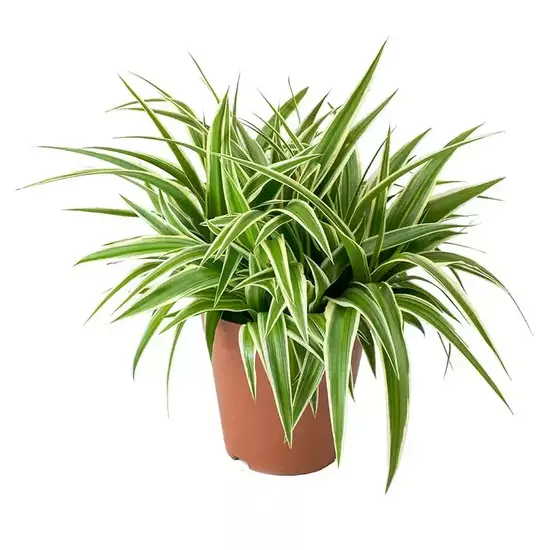
Chlorophytum Spider Live Plant
Original price was: ₹249.00.₹99.00Current price is: ₹99.00.Add to cartSelling size: Well rooted Single plant | 2.5″ Pot included Chlorophytum Spider, also the Spider Plant is an impressive houseplant which is the perfect plant for any beginner. A NASA certified air purifier, its long, green foliage with white variegations look good in both hanging planters and as desktop setups. In favourable conditions, it blooms …
-
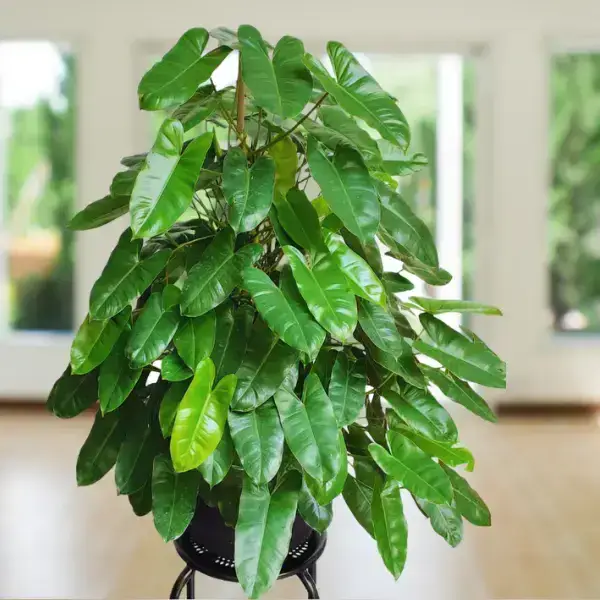
Philodendron Burle Marx Plant
Original price was: ₹485.00.₹149.00Current price is: ₹149.00.Add to cartSelling size: Single plant | Pot Included | Secure Packing The Philodendron Burle Marx is a fantastic and relatively easy-to-care-for plant, known for its glossy, spade-shaped leaves and dense, clumping growth. It’s often recommended as a great choice for beginner houseplant owners. Here is a comprehensive care guide for your Philodendron Burle Marx: Light …
-
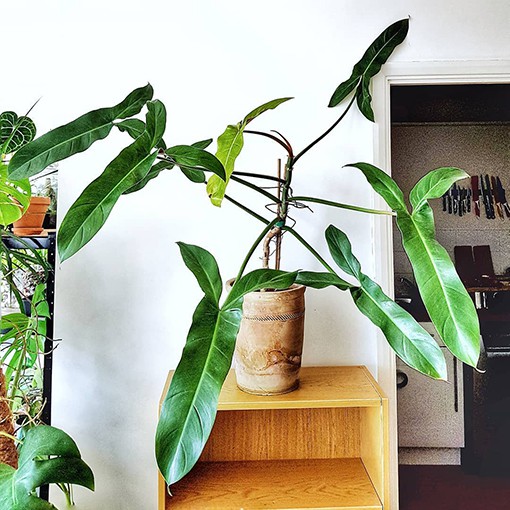
Philodendron Mexicanum
Original price was: ₹1,090.00.₹749.00Current price is: ₹749.00.Add to cartSelling size: Single Plant | Pot included The Philodendron mexicanum is a beautiful vining plant known for its long, arrow-shaped leaves with a striking deep maroon or reddish underside. As its name suggests, it is native to the tropical forests of Mexico. It’s a relatively easy-to-care-for plant, especially for those familiar with other vining philodendrons. …
-
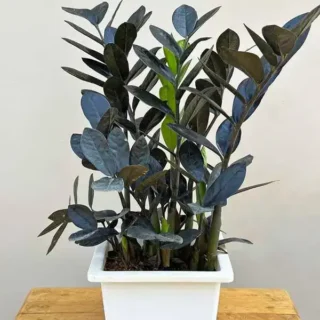
Black zz plant, Raven ZZ Plant
Select options This product has multiple variants. The options may be chosen on the product pageSelling size: Please Choose (Single – Bushy) | 2.5″-5” Pot Included | Secure Packing The Black ZZ Plant, or Raven ZZ Plant (Zamioculcas zamiifolia ‘Raven’), is a popular, exceptionally resilient houseplant known for its striking, nearly black foliage. It shares the easy-care nature of the standard green ZZ plant, making it perfect for beginners or …
-
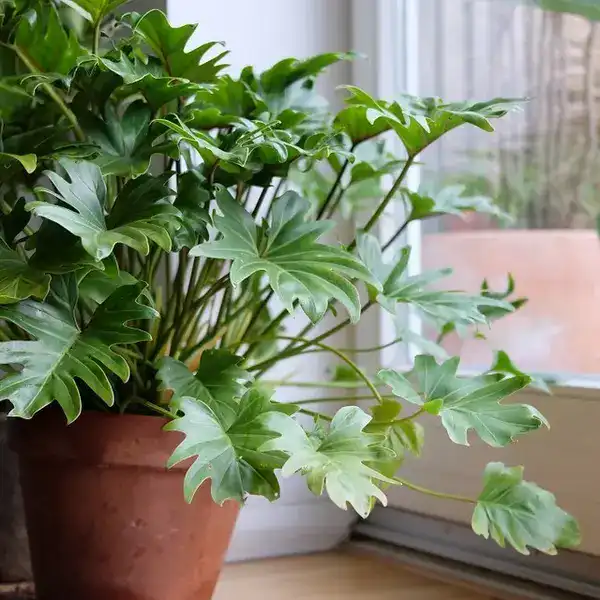
Philodendron Xanadu
Original price was: ₹450.00.₹199.00Current price is: ₹199.00.Add to cartSelling size:Well rooted plant | 2.5″ Pot Included | Secure Packing The Philodendron Xanadu, now officially classified as Thaumatophyllum xanadu, is a fantastic and relatively easy-to-care-for houseplant. It’s known for its compact, bushy growth habit and deeply lobed, glossy green leaves that give it a sophisticated, tropical look. Here is a complete guide to caring …
-
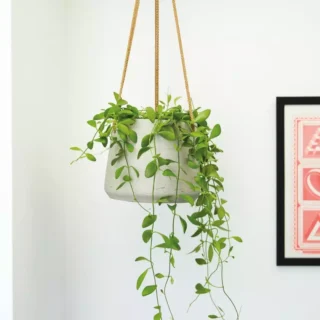
String Of Nickels (Dischidia nummularia)
Select options This product has multiple variants. The options may be chosen on the product pageSelling size: Well rooted plant in a Jiffy bag The Dischidia nummularia, commonly known as the String of Nickels or Button Orchid, is a delightful and easy-to-care-for trailing epiphyte. Its common name comes from its small, round, coin-shaped leaves that densely cover its long, slender stems. As a relative of the Hoya, it shares a …
-
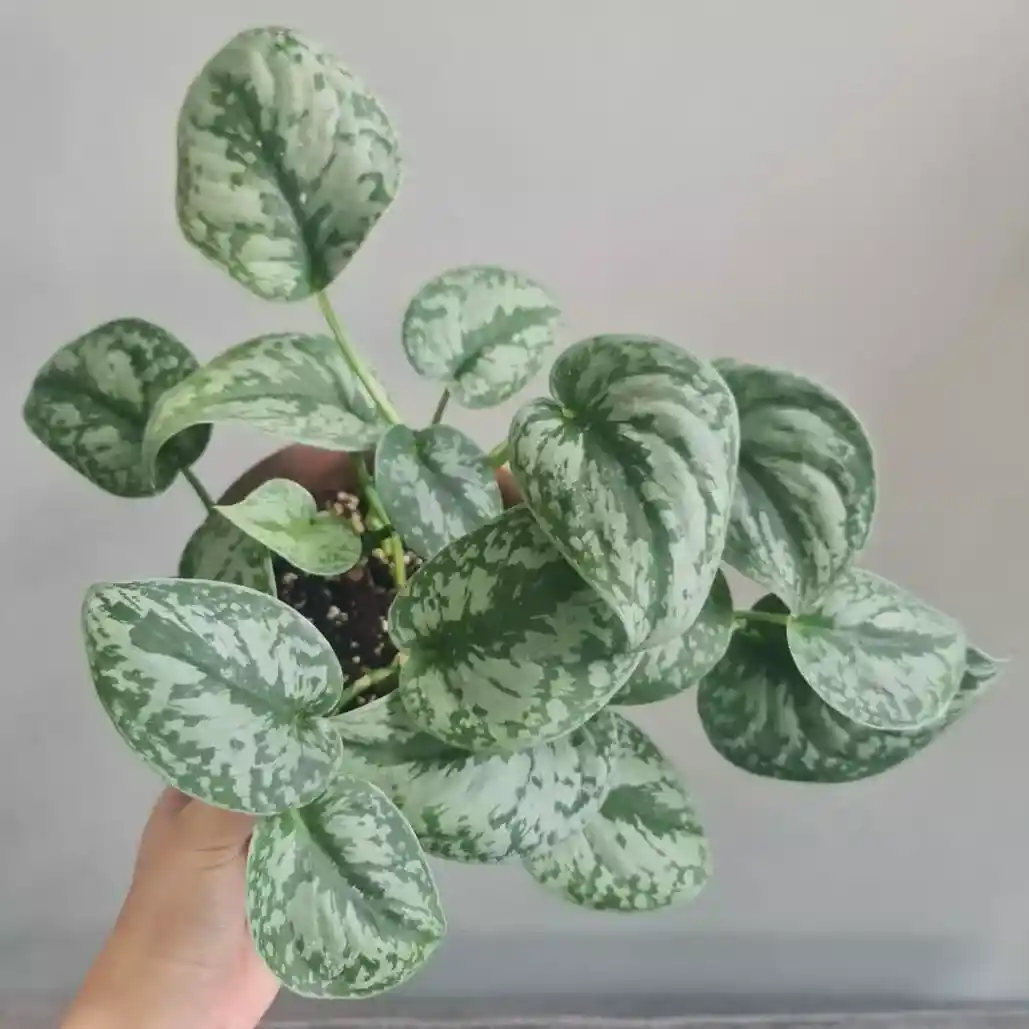
Scindapsus Pictus Exotica
Original price was: ₹380.00.₹99.00Current price is: ₹99.00.Add to cartSelling size: Single Plant | 2.5″ Pot Included The Scindapsus Pictus Exotica, also known as the silver pothos, is a houseplant with large, dark green leaves that have silver spots and mottling. Here’s a guide to caring for your Scindapsus pictus Exotica plant: Light: Prefers bright, indirect light. An east or west-facing window that’s about …
-
Dischidia Ruscifolia (Million Hearts)
Original price was: ₹695.00.₹375.00Current price is: ₹375.00.Add to cartPlant Size: Single plant | 2.5″ Pot Included | Free Shipping The Dischidia ruscifolia, commonly known as the Million Hearts plant, is a delightful and easy-to-care-for trailing epiphyte. Its name comes from the abundance of small, heart-shaped leaves that densely cover its slender stems. As a member of the same family as Hoyas, its …
 If you need any assistance, I'm always here. Have you found what you were looking for?
Reviews
There are no reviews yet.