
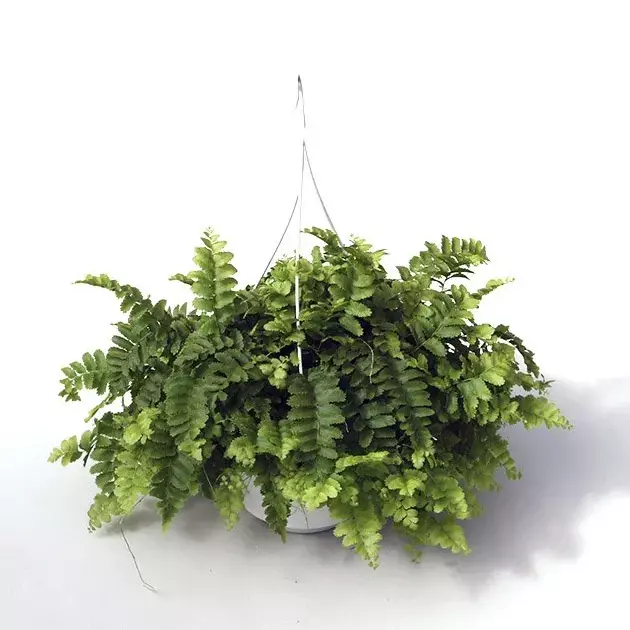
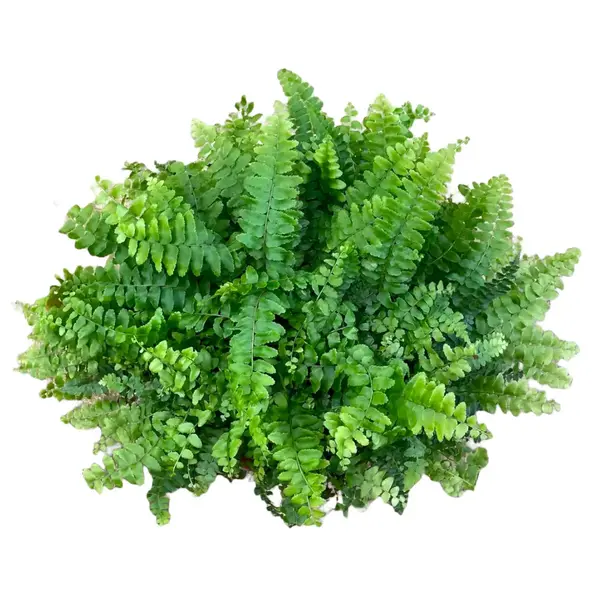
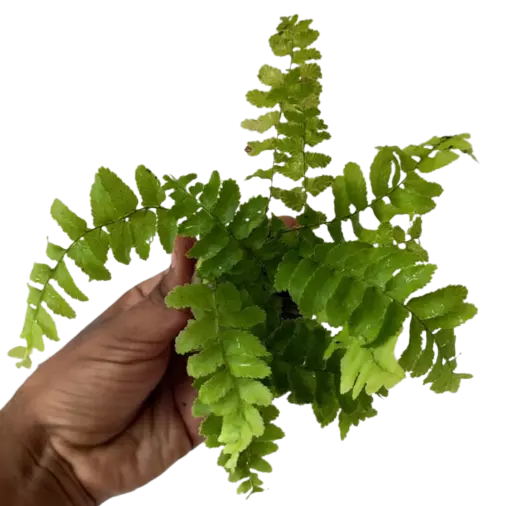
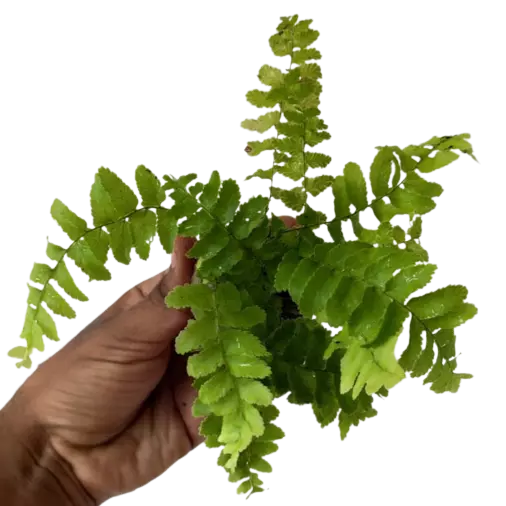
Nephrolepis Exaltata Pom Pom
Original price was: ₹150.00.₹125.00Current price is: ₹125.00.
Selling size: Single Plant | 2.5″ Pot Included | Secure Packing
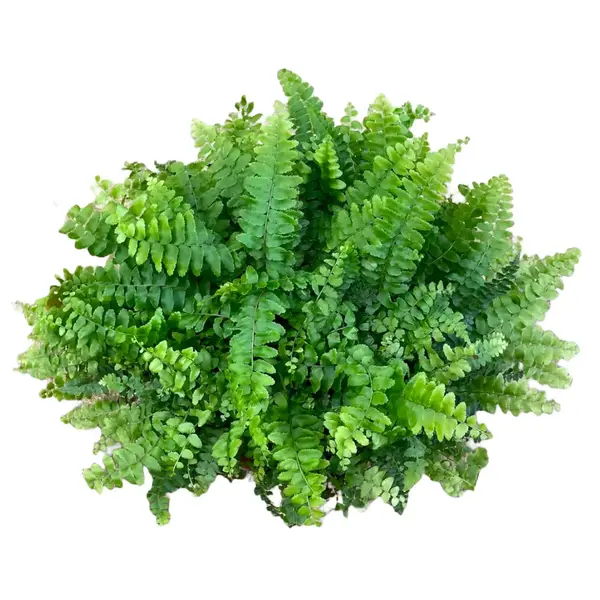
The Nephrolepis exaltata Pom Pom, a unique and whimsical cultivar of the classic Boston Fern, is beloved for its dense, tufted foliage that resembles green pom-poms or mossy clusters. While it shares many characteristics with its cousins, its tightly packed fronds make it slightly more sensitive to airflow and debris.
Caring for a Pom Pom Fern requires a delicate balance of “tropical mimicry”—creating an environment that feels like a humid, dappled forest floor.

Here is a comprehensive guide to ensuring your Nephrolepis Exaltata Pom Pom thrives:
1. Light Requirements: The “Dappled Forest” Rule
In their natural habitat, these ferns grow under the canopy of larger trees. They crave bright, indirect light.
-
Ideal Placement: An east-facing window is perfect, as it provides gentle morning sun. A north-facing window also works well.
-
What to Avoid: Never place your Pom Pom Fern in direct afternoon sunlight. The delicate, textured leaflets will scorch and turn brown almost instantly.
-
Low Light Warning: While they can survive in lower light, the “pom-poms” will lose their density, and the plant will become “leggy” or sparse.
2. Mastering the Watering Routine
The number one killer of Nephrolepis ferns is inconsistent watering. These plants do not have a “dormancy” period where they want to dry out completely.
-
The Touch Test: The soil surface should always feel slightly damp. If the top 0.5 inches of soil feels dry, it is time to water.
-
The Method: Water the soil directly, rather than pouring water into the center of the dense “pom-poms.” Water trapped in the dense foliage can lead to crown rot.
-
Drainage is Key: Use a pot with drainage holes. While they love moisture, they cannot sit in stagnant water, which causes root rot.
3. Humidity: The Secret Ingredient
The Pom Pom Fern is essentially a humidity-loving machine. If your home’s air is dry (especially during winter), the tips of the fronds will turn crispy and brown.
-
Ideal Levels: Aim for 60% humidity or higher.
-
How to Achieve It:
-
Pebble Trays: Place the pot on a tray filled with pebbles and water (ensure the pot sits on the stones, not in the water).
-
Grouping: Grouping plants together creates a localized microclimate of higher humidity.
-
Misting: Frequent misting helps, but a dedicated humidifier is much more effective for long-term health.
-
Bathroom/Kitchen: These are often the best rooms for ferns due to the steam from showers and sinks.
-
4. Soil and Repotting
Pom Pom Ferns prefer a soil mix that is rich in organic matter but extremely well-draining.
-
The Mix: Use a peat-based or coco-coir-based potting soil. Adding a handful of perlite or orchid bark will help ensure the roots get the oxygen they need.
-
pH Level: They prefer slightly acidic soil (between $5.0$ and $5.5$).
-
Repotting: These ferns are relatively fast growers. Repot every 1–2 years in the spring. Only move up one pot size; too much extra soil holds excess moisture that the roots can’t drink fast enough.
5. Temperature and Environment
Since these are tropical plants, they do not handle cold drafts or extreme temperature fluctuations well.
-
Comfort Zone: Keep temperatures between 18°C and 24°C (65°F–75°F).
-
The Danger Zone: Ensure the temperature never drops below 10°C (50°F).
-
Airflow: Keep them away from AC vents, heaters, or drafty hallways. The moving air dries out the fronds much faster than the roots can hydrate them.
6. Feeding and Nutrition
During the growing season (spring and summer), your Pom Pom Fern will appreciate a little extra boost.
-
Frequency: Feed once a month with a balanced, liquid houseplant fertilizer.
-
Strength: Always dilute the fertilizer to half-strength. Ferns are sensitive to salt buildup in the soil, which can burn their fine roots.
-
Winter Rest: Stop fertilizing in the autumn and winter when the plant’s growth slows down.
7. Grooming and Maintenance
Because the Pom Pom cultivar is so dense, it can accumulate dead “leaf litter” within its own clusters.
-
Pruning: If you see brown or yellow fronds, snip them off at the base with clean, sharp scissors. This improves airflow and directs energy to new growth.
-
Cleaning: Every few months, give your fern a gentle “shower” in the sink with lukewarm water. This washes off dust and hydrates the foliage, but ensure the plant has good air circulation afterward to dry out the center.
Summary of Care Table
| Feature | Requirement |
| Light | Bright, Indirect (No direct sun) |
| Water | Keep consistently moist; never soggy |
| Humidity | High (60%+) |
| Temperature | 18°C – 24°C |
| Soil | Peat-based, well-draining |
| Fertilizer | Monthly at half-strength (Spring/Summer) |
| Color | |
|---|---|
| Colour | |
| Price | |
| Type |
4 reviews for Nephrolepis Exaltata Pom Pom
Only logged in customers who have purchased this product may leave a review.
Related products
-
Dischidia nummularia (Pebble Beach/ Button Orchid)
Original price was: ₹655.00.₹375.00Current price is: ₹375.00.Add to cartPlant Size: Single plant | 2.5″ Pot Included | Free Shipping he Dischidia nummularia, commonly known as the String of Nickels, Pebble Beach plant, or Button Orchid, is a charming epiphyte with trailing stems covered in small, round, succulent-like leaves. It’s a great choice for hanging baskets and is known for being relatively easy to …
-
Philodendron Xanadu
Original price was: ₹450.00.₹199.00Current price is: ₹199.00.Add to cartSelling size:Well rooted plant | 2.5″ Pot Included | Secure Packing The Philodendron Xanadu, now officially classified as Thaumatophyllum xanadu, is a fantastic and relatively easy-to-care-for houseplant. It’s known for its compact, bushy growth habit and deeply lobed, glossy green leaves that give it a sophisticated, tropical look. Here is a complete guide to caring …
-
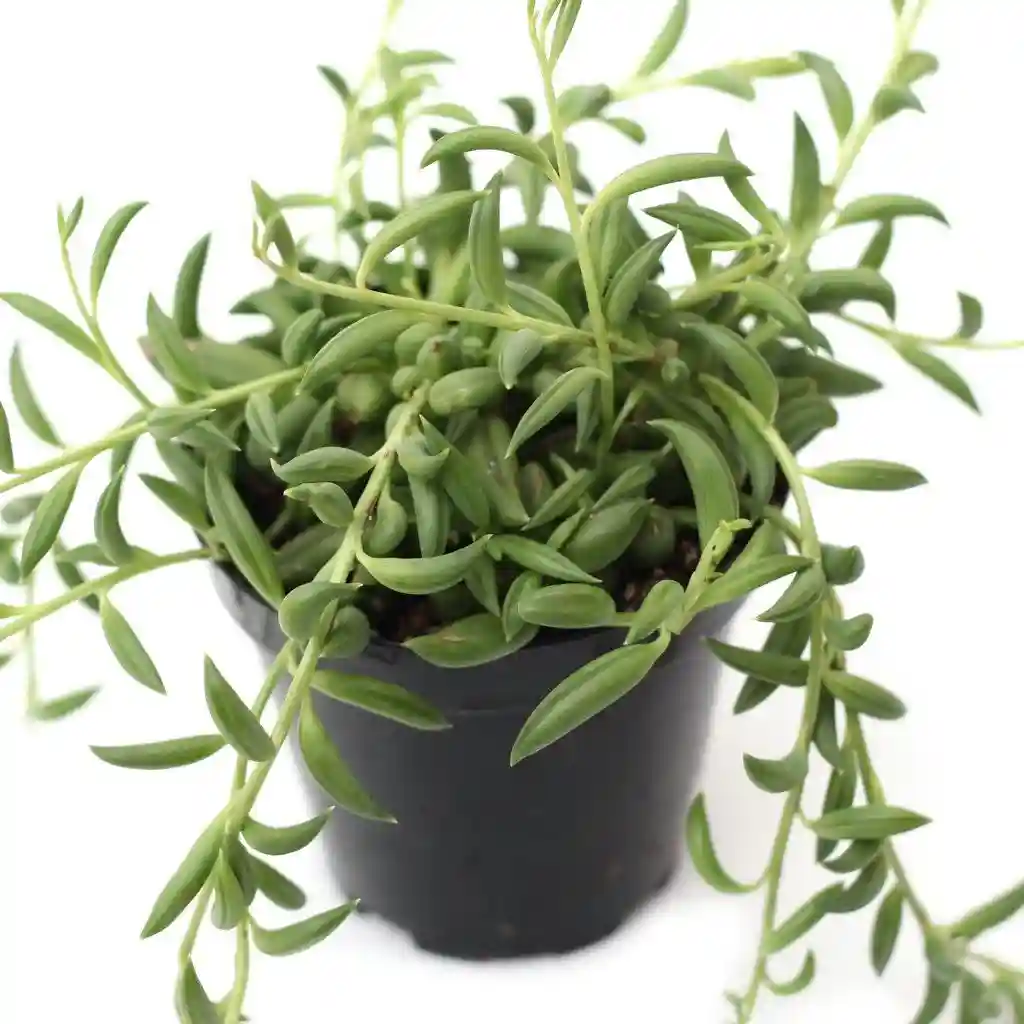
String of Bananas
Original price was: ₹450.00.₹249.00Current price is: ₹249.00.Add to cartSelling size: Mentioned in last Picture | Secure Packing The String of Bananas (Curio radicans or Senecio radicans) is a charming trailing succulent known for its long, cascading stems covered in plump, banana-shaped leaves. It’s a popular choice for hanging baskets and is generally easy to care for, especially for those who are new …
-
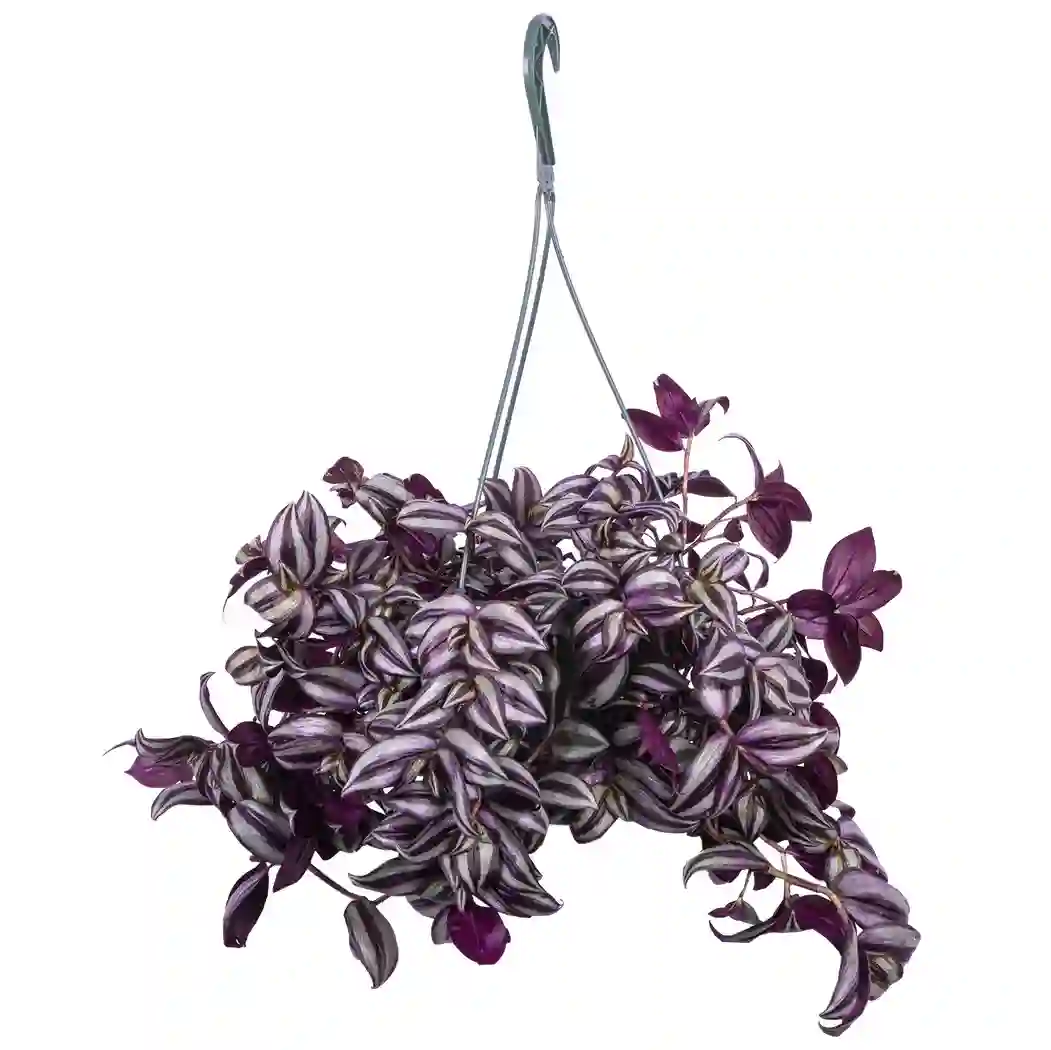
Wandering Jew Plant
Original price was: ₹305.00.₹149.00Current price is: ₹149.00.Add to cartSelling size: This plant comes in a 2.5″ Square pot The Wandering Jew Plant, also known as the Tradescantia! They’re such vibrant and easy-to-love plants. To keep yours thriving, here’s a rundown of Wandering Jew Plant care needs: Light: They absolutely love bright, indirect sunlight. Think of a spot near an east- or west-facing window …
-
Dischidia Ruscifolia (Million Hearts)
Original price was: ₹695.00.₹375.00Current price is: ₹375.00.Add to cartPlant Size: Single plant | 2.5″ Pot Included | Free Shipping The Dischidia ruscifolia, commonly known as the Million Hearts plant, is a delightful and easy-to-care-for trailing epiphyte. Its name comes from the abundance of small, heart-shaped leaves that densely cover its slender stems. As a member of the same family as Hoyas, its …
-
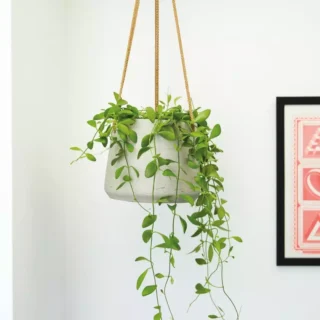
String Of Nickels (Dischidia nummularia)
Select options This product has multiple variants. The options may be chosen on the product pageSelling size: Well rooted plant in a Jiffy bag The Dischidia nummularia, commonly known as the String of Nickels or Button Orchid, is a delightful and easy-to-care-for trailing epiphyte. Its common name comes from its small, round, coin-shaped leaves that densely cover its long, slender stems. As a relative of the Hoya, it shares a …
-
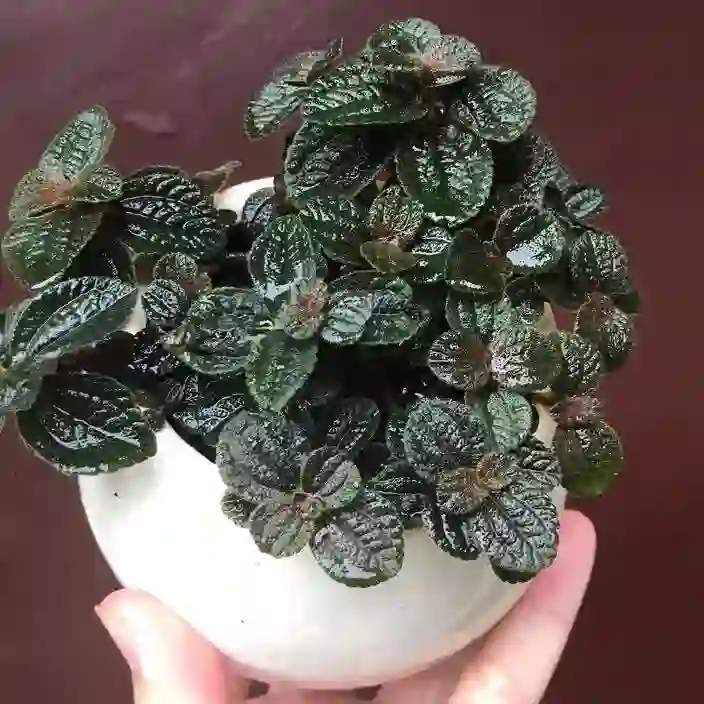
Pilea Repens, Black Panamiga
Original price was: ₹280.00.₹149.00Current price is: ₹149.00.Add to cartSize: Single Plant | Jiffy Bag Caring for a Pilea Ripens (also known as Black Panamiga) involves understanding its specific needs to ensure it thrives. Here’s a breakdown of Pilea Repens, Black Panamiga key care aspects: Key Care Points: Light: Pilea repens prefers bright, indirect sunlight. Direct sunlight can scorch its leaves. Rotating the plant …
-
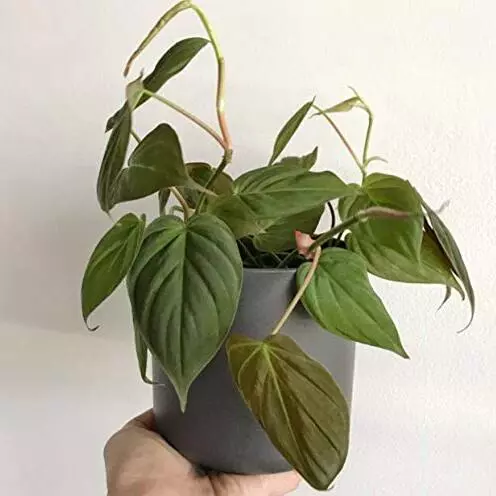
Philodendron Mican plant
Original price was: ₹650.00.₹99.00Current price is: ₹99.00.Add to cartSelling size: A well rooted plant | 2.5″ Pot Included The Philodendron Micans (Philodendron hederaceum ‘Micans’), also known as the Velvet-Leaf Philodendron, is a popular, easy-care trailing or climbing houseplant prized for its unique, velvety, heart-shaped leaves that emerge a beautiful chartreuse/pink and mature to a deep, iridescent, bronze-green with hints of purple. Here is …
 If you need any assistance, I'm always here. Have you found what you were looking for?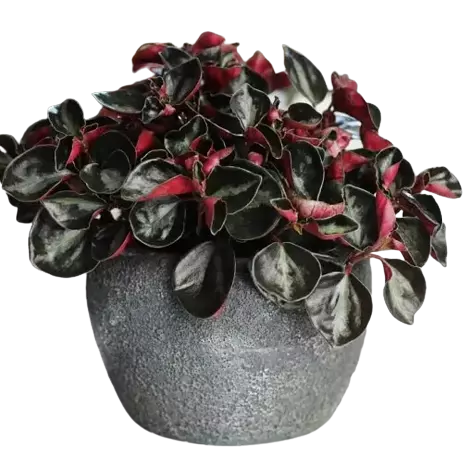

Alex Paul –
Really Beautiful
Manu –
Try to bring new varieties
Sonia CJ –
Arrived in a good state
Juhunu –
Will recommend with my friends