Blackberry Fruit plant
Original price was: ₹3,000.00.₹1,299.00Current price is: ₹1,299.00.
Selling Size : Single Plant | Pot Included | Secure Packing
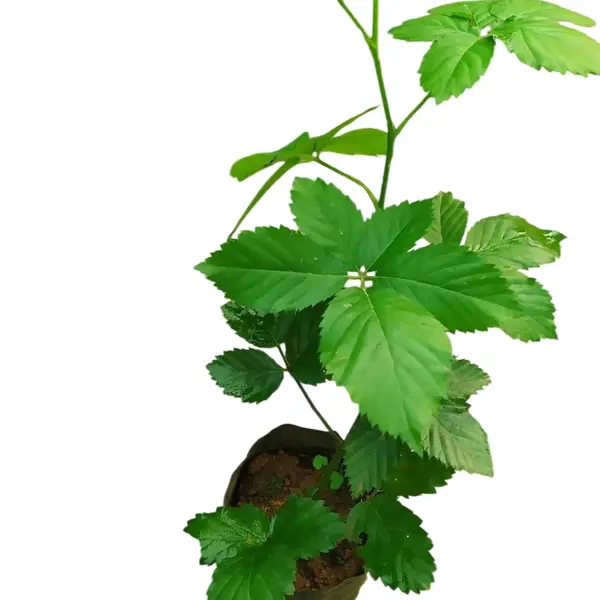
Blackberry plants are hardy, rewarding fruiting shrubs that produce delicious, nutrient-rich berries. They are suitable for home gardens, terrace growing, and even large containers if given proper support and care. With the right sunlight, pruning, and feeding routine, a blackberry plant can produce heavy harvests year after year.

Blackberry Fruit Plant – Complete Care Guide :
Light Requirements
Blackberry plants need full sun for best fruit production. Provide at least 6–8 hours of direct sunlight daily. More sunlight leads to sweeter fruits and stronger canes. Plants grown in partial shade will survive but produce fewer and more sour berries. Choose an open, bright location protected from very strong winds.
Temperature and Climate
Blackberries grow best in moderate to warm climates. Ideal temperature ranges between 18–30°C. Many varieties tolerate mild cold, but extreme frost can damage canes. In very hot regions, light afternoon shade helps prevent stress. Good air circulation is important to reduce disease risk.
Soil Requirements
They prefer well-draining, fertile soil rich in organic matter. A slightly acidic to neutral pH (about 5.5–6.8) is ideal. Mix garden soil with compost or well-rotted manure and some coarse sand or cocopeat for drainage. Avoid heavy clay soil that stays waterlogged. Raised beds work very well for blackberry cultivation.
Watering
Keep the soil consistently moist, especially during flowering and fruit development. Water deeply 2–3 times per week rather than giving small daily amounts. During hot weather, watering frequency may need to increase. Do not allow the root zone to dry out completely, as this reduces fruit size and yield. At the same time, avoid standing water — soggy soil causes root rot.
Mulching
Apply a 5–8 cm layer of mulch around the base using dry leaves, straw, or coco chips. Mulch conserves moisture, suppresses weeds, and keeps roots cool. It also improves soil structure as it breaks down. Keep mulch slightly away from the main stem to prevent rot.

Fertilizing
Blackberries are moderate feeders. Apply compost or organic manure at planting and again at the start of each growing season. During active growth, feed every 4–6 weeks with a balanced fertilizer. A fertilizer slightly higher in potassium supports better flowering and fruiting. Avoid excessive nitrogen, which produces too many leaves and fewer fruits.
Support and Training
Most blackberry varieties grow long, arching canes that need support. Use a trellis, fence, or wire system to keep canes upright. Training improves sunlight exposure, airflow, and harvesting ease. Tie canes loosely with soft ties as they grow. Good support also reduces disease and fruit spoilage.
Pruning
Pruning is essential for good yields. Blackberry canes usually fruit in their second year, then die back. After harvest, remove the old fruited canes at ground level. Keep the new green canes for next season’s crop. Also trim weak or overcrowded growth. Regular pruning improves berry size and reduces pest and disease problems.
Container Growing
Blackberries can grow in large containers at least 40–50 cm wide and deep. Use a rich, well-draining potting mix and provide a strong support structure. Container plants need more frequent watering and feeding than ground-grown plants. Ensure excellent drainage.
Flowering and Fruiting
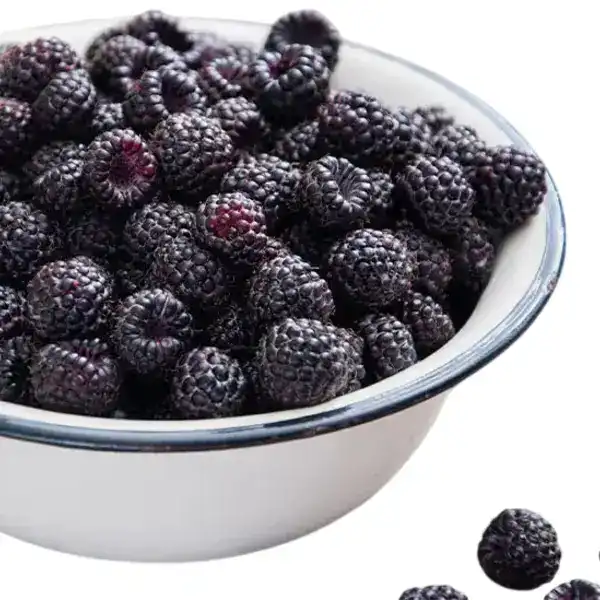
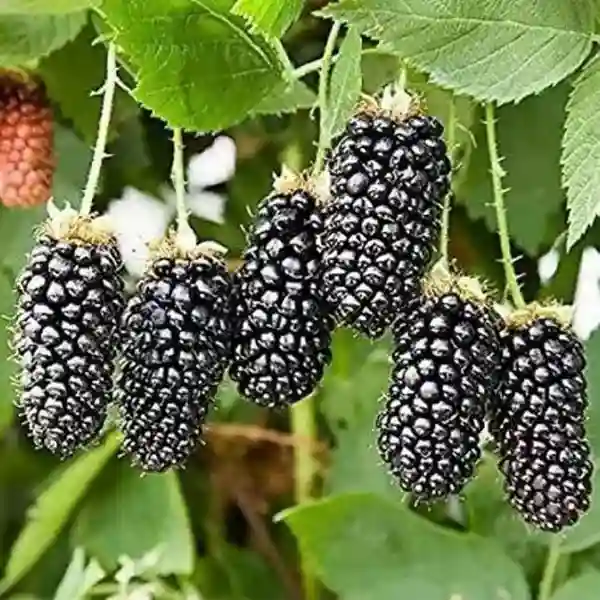
Flowers appear on mature canes, followed by green berries that turn red and finally deep black when ripe. Harvest only when fruits are fully black and detach easily. Taste improves if fruits are picked at full ripeness. Harvest every few days during peak season.

Common Problems
Yellow leaves may indicate nutrient deficiency or poor drainage. Small or dry fruits usually result from insufficient water. Fungal diseases can occur in humid, crowded conditions — prune for airflow and avoid overhead watering. Watch for pests like aphids and mites; treat early with neem oil spray.
With full sun, steady moisture, annual pruning, and proper support, blackberry plants will provide abundant, flavorful harvests for many years. They are an excellent choice for both home gardeners and small fruit growers.
| Color | |
|---|---|
| Colour | |
| Price | |
| Type |
Related products
-
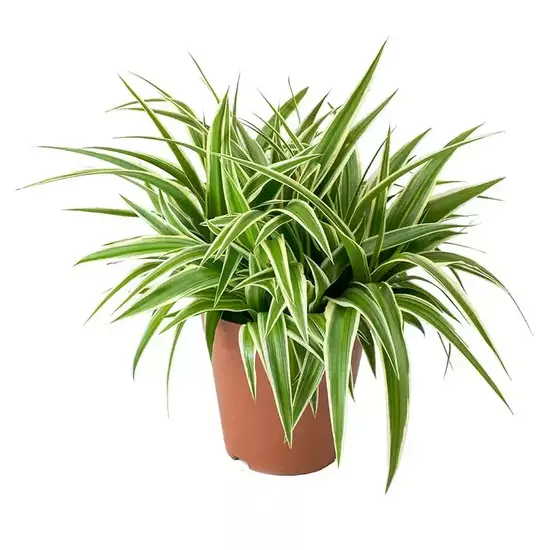
Chlorophytum Spider Live Plant
Original price was: ₹249.00.₹99.00Current price is: ₹99.00.Add to cartSelling size: Well rooted Single plant | 2.5″ Pot included Chlorophytum Spider, also the Spider Plant is an impressive houseplant which is the perfect plant for any beginner. A NASA certified air purifier, its long, green foliage with white variegations look good in both hanging planters and as desktop setups. In favourable conditions, it blooms …
-
Spanish Moss Air Plant
Price range: ₹49.00 through ₹525.00Select options This product has multiple variants. The options may be chosen on the product pageSelling size: PLEASE CHOOSE Spanish Moss Air Plant – CARE INSTRUCTIONS Scientific name: Tillandsia usneoides Synonyms: Old man’s beard, Spanish Moss, French Hair, Spanish Beard Spanish Moss is a delicate silvery-grey air plant that is often used to hang in trees or as a gorgeous decor piece without the need for soil. Despite its name, Spanish Moss …
-
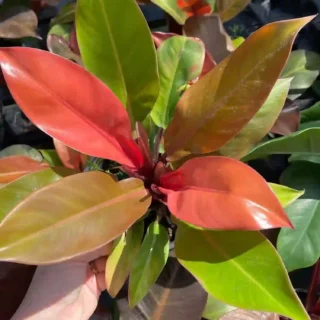
Philodendron ‘Prince of Orange’
Price range: ₹249.00 through ₹620.00Select options This product has multiple variants. The options may be chosen on the product pageSelling Size : Single Plant | Pot Included | Secure Packing The Philodendron ‘Prince of Orange’ is a stunning and popular hybrid known for its vibrant, ever-changing leaf colors. New leaves emerge as a brilliant orange or coppery color, and as they mature, they transition to a lime green, then a deep, glossy green. It …
-
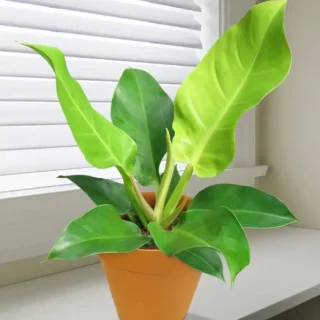
Philodendron Moonshine
Original price was: ₹1,250.00.₹249.00Current price is: ₹249.00.Add to cartSelling size: Single plant | Pot included | Secure Packing The Philodendron Moonshine (often also called ‘Moonlight’) is a popular hybrid known for its vibrant, almost glowing, chartreuse-colored leaves. It has an upright, self-heading growth habit, so unlike many vining philodendrons, it doesn’t need a trellis or pole. Here is a comprehensive guide to caring …
-
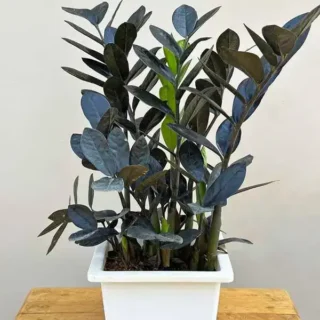
Black zz plant, Raven ZZ Plant
Select options This product has multiple variants. The options may be chosen on the product pageSelling size: Please Choose (Single – Bushy) | 2.5″-5” Pot Included | Secure Packing The Black ZZ Plant, or Raven ZZ Plant (Zamioculcas zamiifolia ‘Raven’), is a popular, exceptionally resilient houseplant known for its striking, nearly black foliage. It shares the easy-care nature of the standard green ZZ plant, making it perfect for beginners or …
-
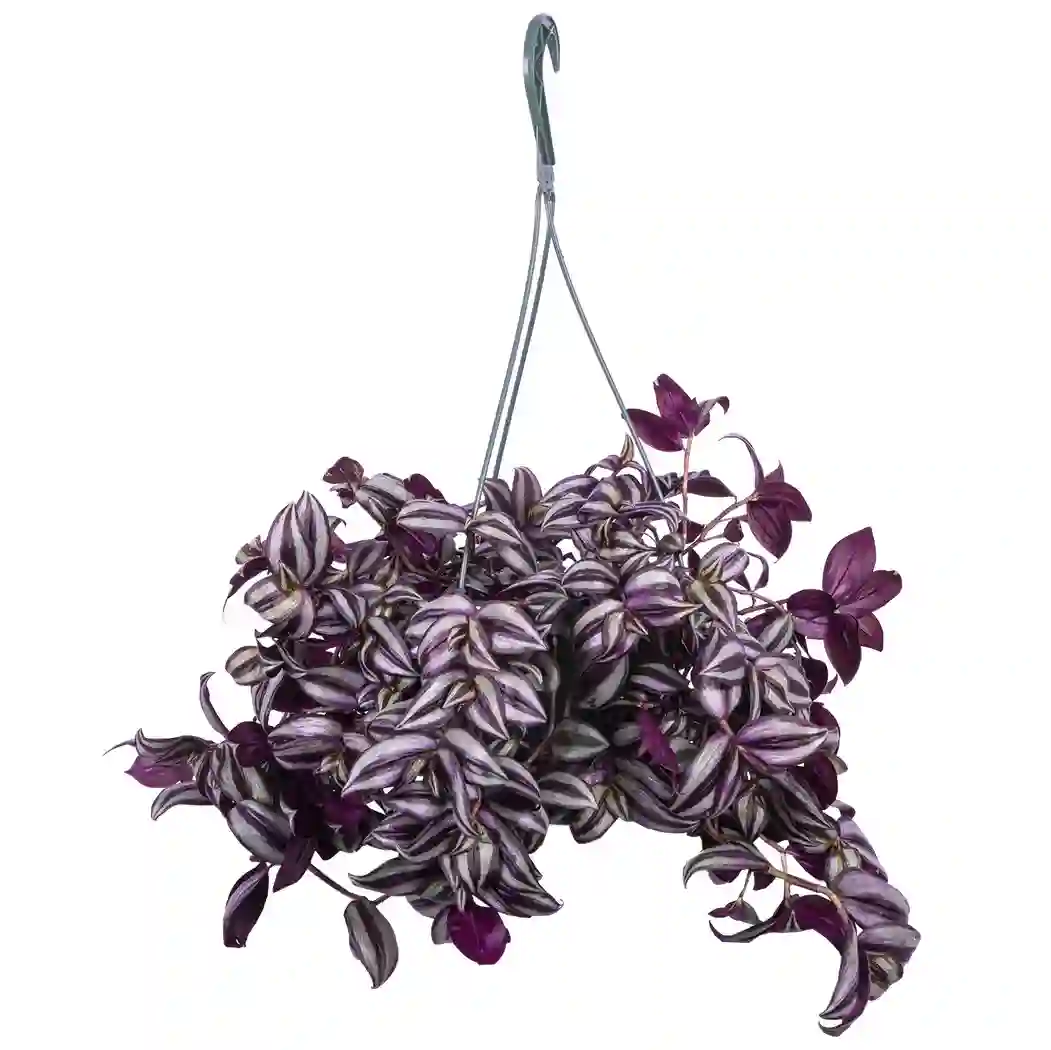
Wandering Jew Plant
Original price was: ₹305.00.₹149.00Current price is: ₹149.00.Add to cartSelling size: This plant comes in a 2.5″ Square pot The Wandering Jew Plant, also known as the Tradescantia! They’re such vibrant and easy-to-love plants. To keep yours thriving, here’s a rundown of Wandering Jew Plant care needs: Light: They absolutely love bright, indirect sunlight. Think of a spot near an east- or west-facing window …
-
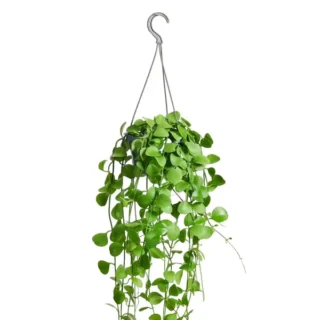
Dischidia Oiantha plant
Original price was: ₹695.00.₹375.00Current price is: ₹375.00.Add to cartPlant Size: Single plant | 2.5″ Pot Included | Free Shipping | Secure Packing The Dischidia oiantha, often referred to as a “Hoya cousin,” is a charming, easy-to-care-for epiphyte with trailing vines and small, oval, succulent-like leaves. It’s a great choice for hanging baskets or for adding a touch of whimsy to a shelf. Here …
-
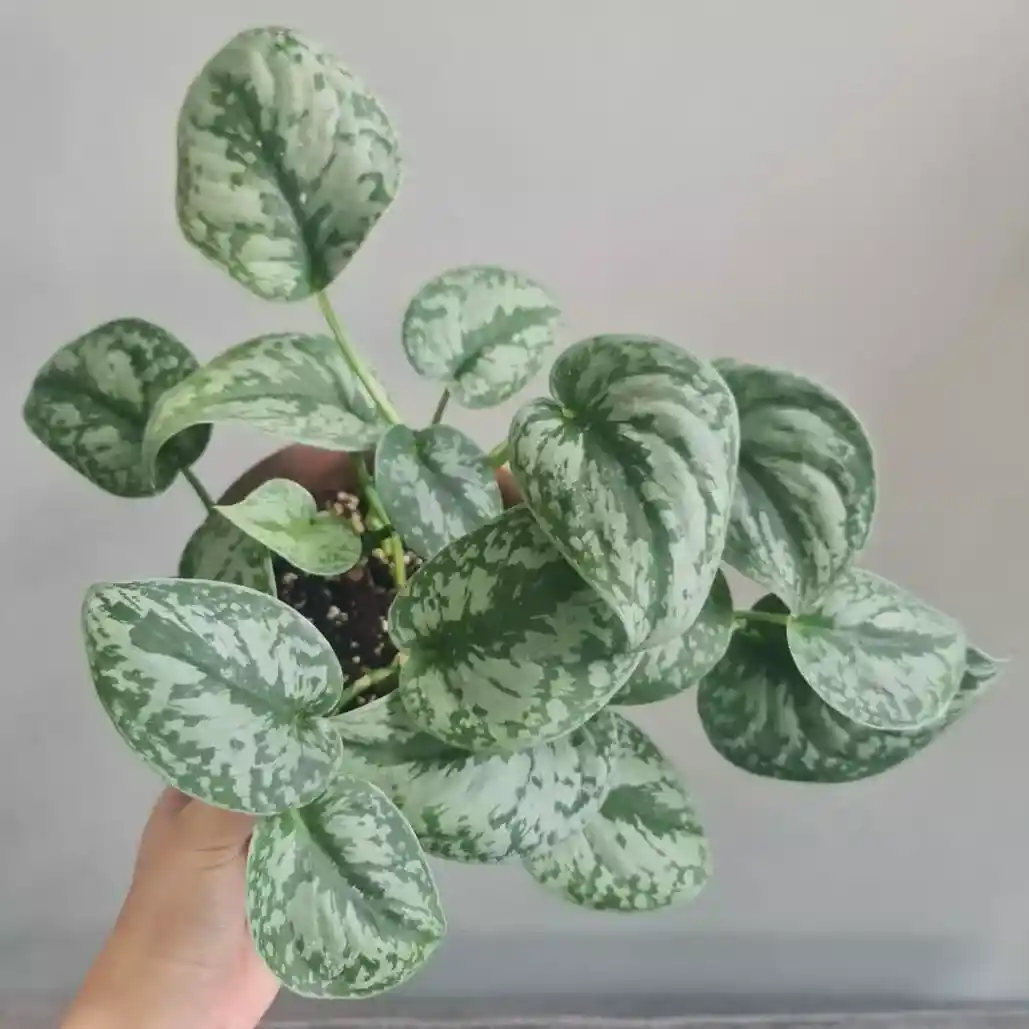
Scindapsus Pictus Exotica
Original price was: ₹380.00.₹99.00Current price is: ₹99.00.Add to cartSelling size: Single Plant | 2.5″ Pot Included The Scindapsus Pictus Exotica, also known as the silver pothos, is a houseplant with large, dark green leaves that have silver spots and mottling. Here’s a guide to caring for your Scindapsus pictus Exotica plant: Light: Prefers bright, indirect light. An east or west-facing window that’s about …

 If you need any assistance, I'm always here. Have you found what you were looking for?