
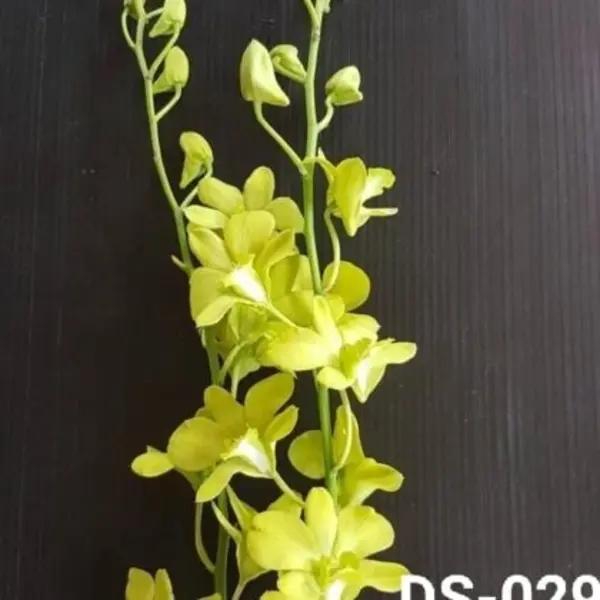
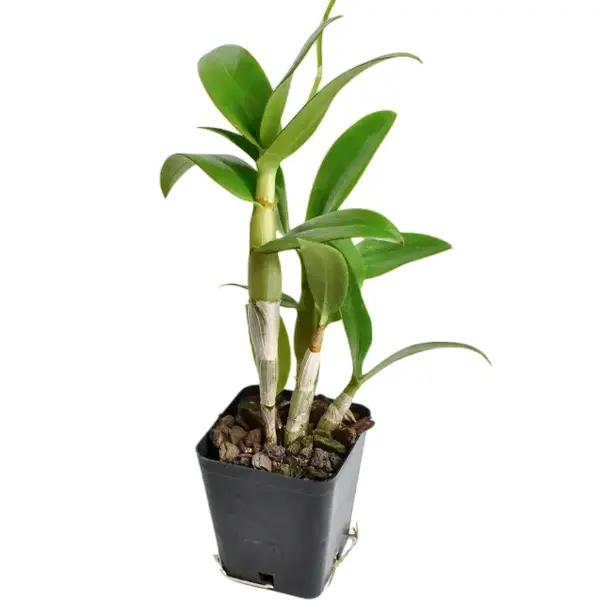
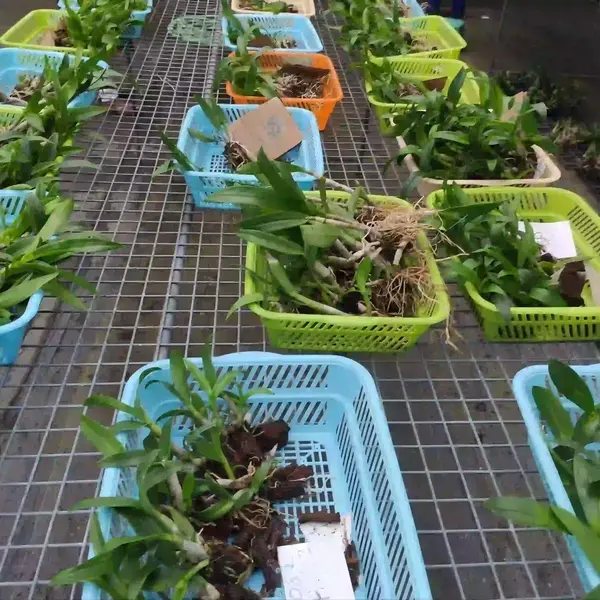
Dendrobium (ds-029)
₹275.00
selling size:single plant
Selling Size : Single Plant | Secure Packing
Here’s a detailed care guide for Dendrobium (ds-029) — a striking hybrid known for its tall canes, elegant blooms, and dependable performance both indoors and outdoors 🌸🌿

Here’s a detailed care guide for Dendrobium (ds-029):
🌿 General Overview
Botanical Name: Dendrobium spp. (Hybrid DS-029)
Common Name: Dendrobium Orchid
Type: Epiphytic perennial orchid
Growth Habit: Upright canes (pseudobulbs) with alternating leaves and terminal flower clusters
Flower Color (DS-029): Typically rich purple, pink, or white shades (depending on hybrid line)
☀️ Light
-
Needs bright, indirect light for best flowering and compact growth.
-
Can tolerate gentle morning or evening sun, but avoid harsh midday light.
-
Too little light = no blooms; too much = yellowed or scorched leaves.
✅ Best placement: East-facing window, shaded balcony, or filtered greenhouse light.
💧 Watering
-
Water 2–3 times per week in warm months.
-
Allow the top 2–3 cm of the medium to dry before the next watering.
-
Reduce to once a week in winter or during dormancy.
💡 Tip: Use rain or filtered water; Dendrobiums prefer to dry slightly between waterings.

🌡️ Temperature
-
Ideal range: 18–30°C
-
A slight night temperature drop (5–7°C lower) encourages flowering.
-
Protect from cold drafts and avoid exposure below 12°C.
🌫️ Humidity
-
Thrives in 50–70% humidity.
-
Mist lightly in the mornings or use a humidity tray in dry environments.
-
Ensure good air circulation to prevent fungal problems.
🌱 Potting Medium
-
Use a well-draining orchid mix such as:
-
50% orchid bark + 25% charcoal + 25% coco chips or perlite.
-
-
Roots need airflow — never use compact soil.
-
A clay or ventilated orchid pot helps excess water drain easily.
🌸 Fertilizer
-
Feed every 2–3 weeks during active growth (spring–autumn).
-
Use a balanced orchid fertilizer (20-20-20) at ¼–½ strength.
-
Before blooming, switch to a bloom booster fertilizer (10-30-20).
-
Reduce or stop feeding during winter dormancy.
🪴 Repotting
-
Repot every 2–3 years, preferably after flowering.
-
Remove old medium and trim dead roots.
-
Choose a pot just large enough for the root ball — Dendrobiums bloom better when slightly root-bound.
✂️ After Bloom Care
-
Remove spent flower spikes, but keep green canes intact — they store nutrients and may rebloom later.
-
Continue light watering and feeding to support new cane growth.
-
Older canes can produce keikis (baby plants) in the next season.
⚠️ Common Problems Dendrobium (ds-029)
| Problem | Likely Cause | Solution |
|---|---|---|
| Yellow leaves | Overwatering or natural leaf drop | Adjust watering; remove only old leaves |
| Wrinkled canes | Underwatering or root issues | Check roots and increase watering frequency |
| No blooms | Low light or no cool period | Increase bright light and provide night cooling |
| Root rot | Poor drainage or soggy medium | Repot in airy mix and trim rotten roots |

🌿 Propagation
-
By keikis (baby plants):
-
Small shoots may appear on old canes.
-
Wait until roots are 4–5 cm long before removing.
-
Pot in a small orchid mix and keep warm and humid until established.
-
🌸 Blooming Tips
-
Bright, filtered light + mild nighttime temperature drop = abundant blooms.
-
Stop fertilizing once buds form to prevent dropping.
-
Avoid moving or disturbing the plant during blooming.
-
After flowering, continue normal watering to help new growth develop.
🌼 Quick Care Summary
| Factor | Ideal Condition |
|---|---|
| Light | Bright, indirect light |
| Water | 2–3× weekly (let top dry) |
| Humidity | 50–70% |
| Temperature | 18–30°C |
| Fertilizer | Biweekly, half strength |
| Repotting | Every 2–3 years |
| Propagation | Keikis or division |
| Color | |
|---|---|
| Colour | |
| Price | |
| Type |
Only logged in customers who have purchased this product may leave a review.
Related products
-
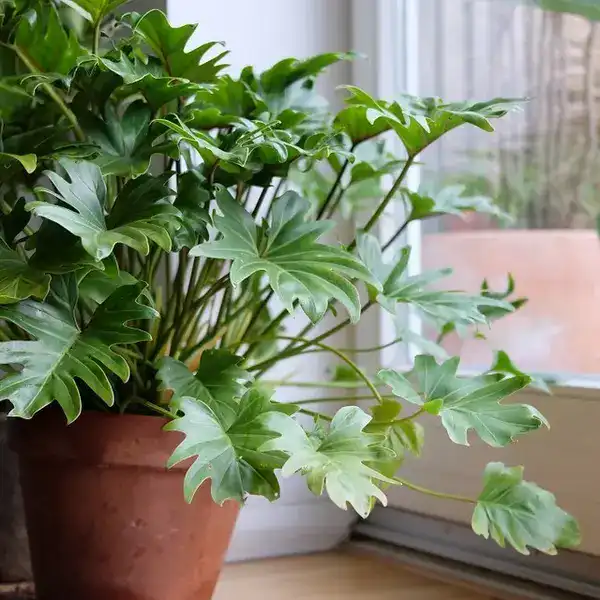
Philodendron Xanadu
Original price was: ₹450.00.₹199.00Current price is: ₹199.00.Add to cartSelling size:Well rooted plant | 2.5″ Pot Included | Secure Packing The Philodendron Xanadu, now officially classified as Thaumatophyllum xanadu, is a fantastic and relatively easy-to-care-for houseplant. It’s known for its compact, bushy growth habit and deeply lobed, glossy green leaves that give it a sophisticated, tropical look. Here is a complete guide to caring …
-
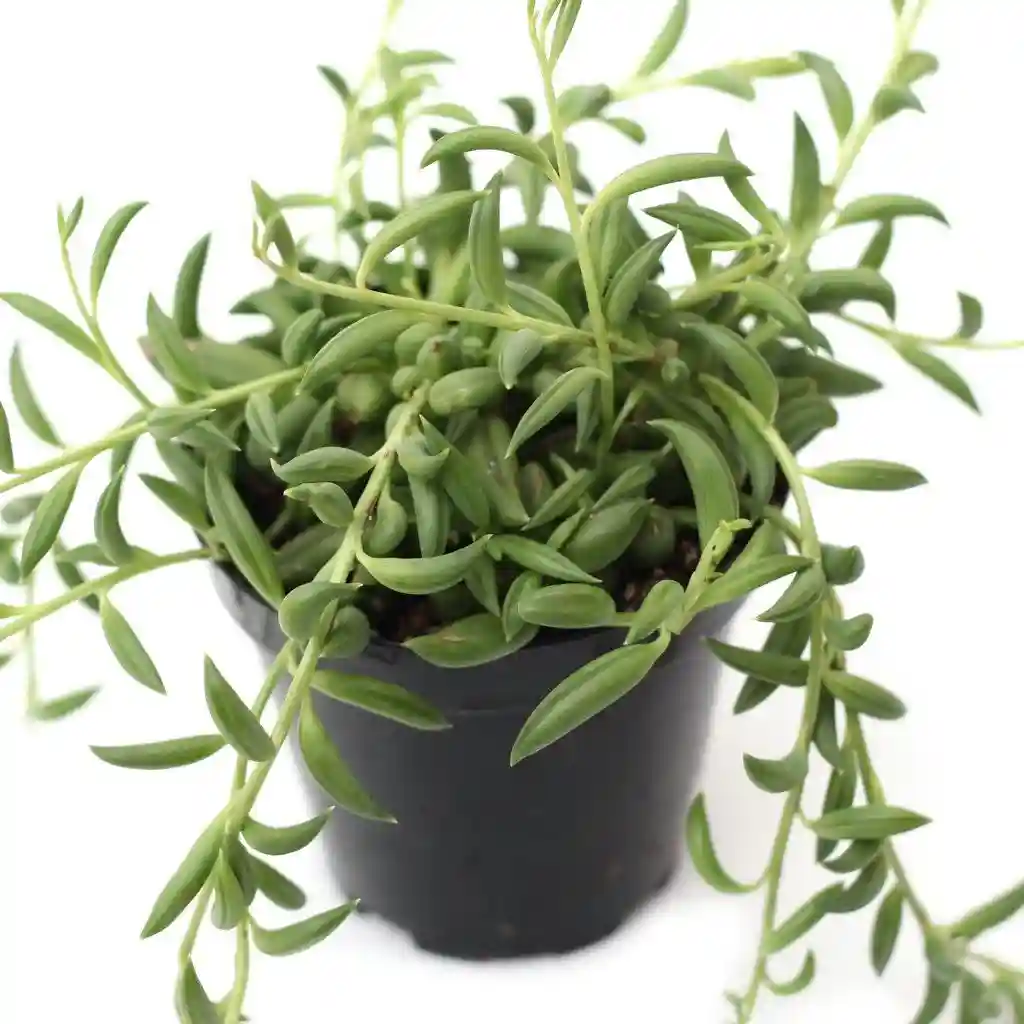
String of Bananas
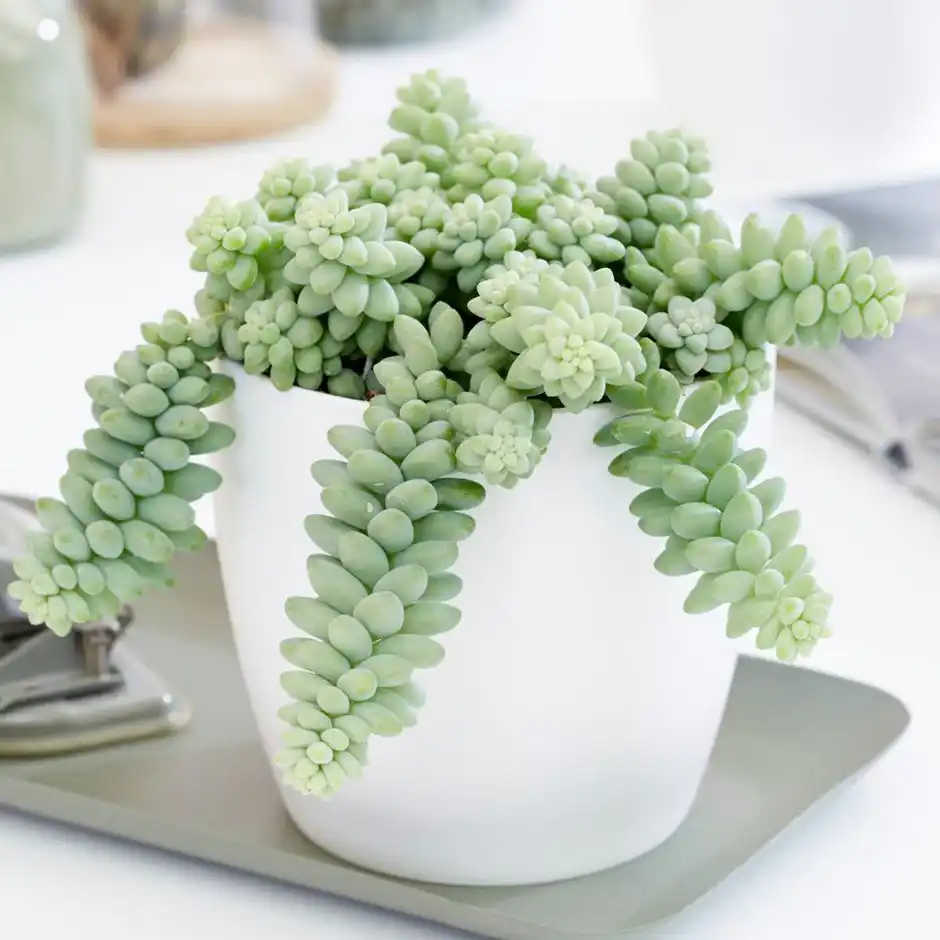
Original price was: ₹450.00.₹249.00Current price is: ₹249.00.Add to cartSelling size: Mentioned in last Picture | Secure Packing The String of Bananas (Curio radicans or Senecio radicans) is a charming trailing succulent known for its long, cascading stems covered in plump, banana-shaped leaves. It’s a popular choice for hanging baskets and is generally easy to care for, especially for those who are new …
-
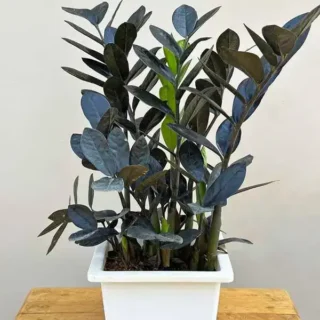
Black zz plant, Raven ZZ Plant
Select options This product has multiple variants. The options may be chosen on the product pageSelling size: Please Choose (Single – Bushy) | 2.5″-5” Pot Included | Secure Packing The Black ZZ Plant, or Raven ZZ Plant (Zamioculcas zamiifolia ‘Raven’), is a popular, exceptionally resilient houseplant known for its striking, nearly black foliage. It shares the easy-care nature of the standard green ZZ plant, making it perfect for beginners or …
-
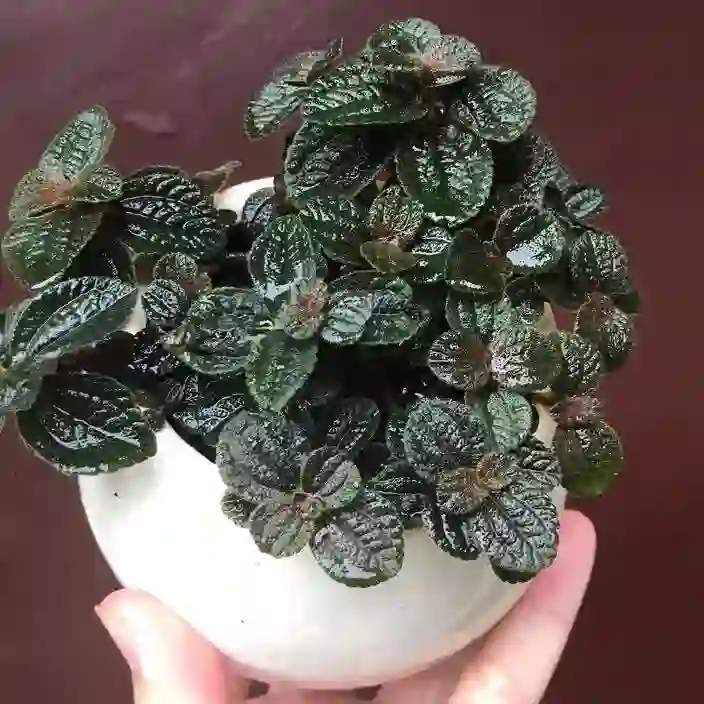
Pilea Repens, Black Panamiga
Original price was: ₹280.00.₹149.00Current price is: ₹149.00.Add to cartSize: Single Plant | Jiffy Bag Caring for a Pilea Ripens (also known as Black Panamiga) involves understanding its specific needs to ensure it thrives. Here’s a breakdown of Pilea Repens, Black Panamiga key care aspects: Key Care Points: Light: Pilea repens prefers bright, indirect sunlight. Direct sunlight can scorch its leaves. Rotating the plant …
-
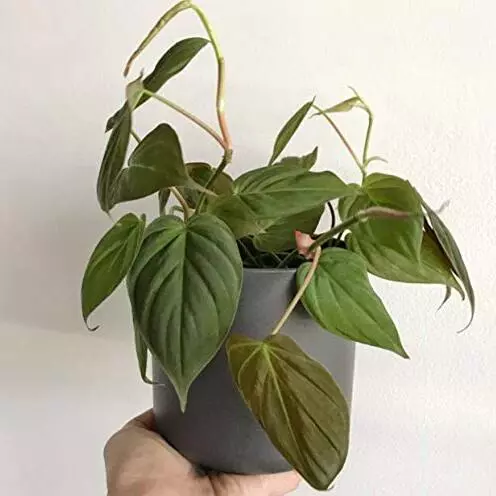
Philodendron Mican plant
Original price was: ₹650.00.₹99.00Current price is: ₹99.00.Add to cartSelling size: A well rooted plant | 2.5″ Pot Included The Philodendron Micans (Philodendron hederaceum ‘Micans’), also known as the Velvet-Leaf Philodendron, is a popular, easy-care trailing or climbing houseplant prized for its unique, velvety, heart-shaped leaves that emerge a beautiful chartreuse/pink and mature to a deep, iridescent, bronze-green with hints of purple. Here is …
-
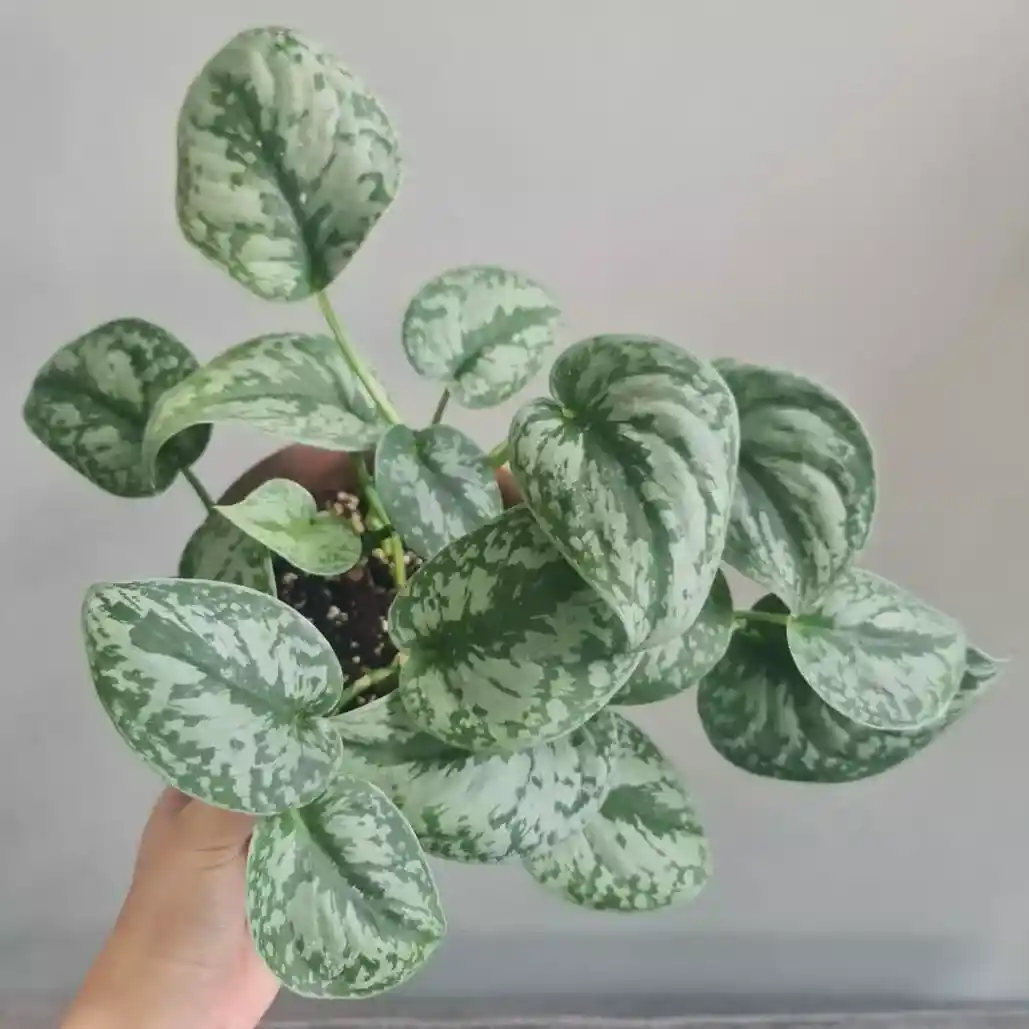
Scindapsus Pictus Exotica
Original price was: ₹380.00.₹99.00Current price is: ₹99.00.Add to cartSelling size: Single Plant | 2.5″ Pot Included The Scindapsus Pictus Exotica, also known as the silver pothos, is a houseplant with large, dark green leaves that have silver spots and mottling. Here’s a guide to caring for your Scindapsus pictus Exotica plant: Light: Prefers bright, indirect light. An east or west-facing window that’s about …
-
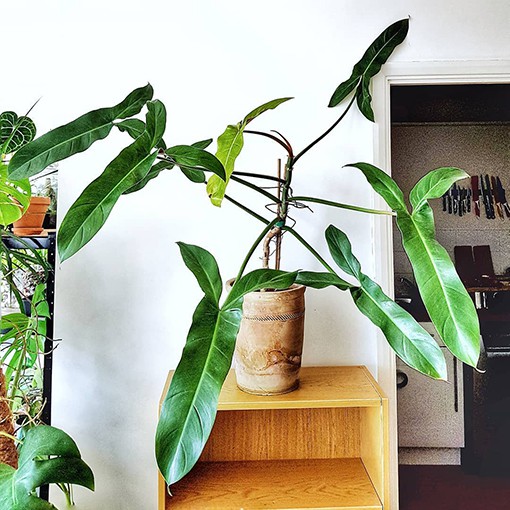
Philodendron Mexicanum
Original price was: ₹1,090.00.₹749.00Current price is: ₹749.00.Add to cartSelling size: Single Plant | Pot included The Philodendron mexicanum is a beautiful vining plant known for its long, arrow-shaped leaves with a striking deep maroon or reddish underside. As its name suggests, it is native to the tropical forests of Mexico. It’s a relatively easy-to-care-for plant, especially for those familiar with other vining philodendrons. …
-
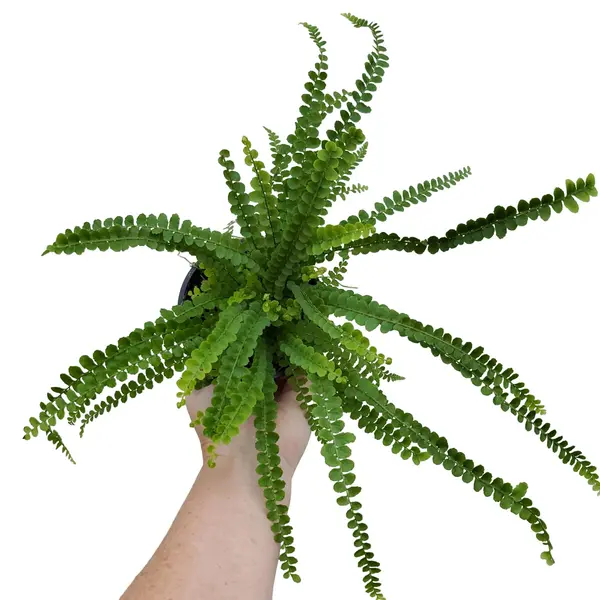
Lemon Button Fern Plant
Original price was: ₹539.00.₹179.00Current price is: ₹179.00.Add to cartSelling Size: Single plant | 2.5″ Pot Included The Lemon Button Fern (Nephrolepis cordifolia ‘Duffii’) is a popular and relatively easy-to-care-for fern. It’s known for its compact, arching fronds with small, button-like leaves and a subtle, lemony scent when you brush against them. Unlike some ferns, it’s a bit more forgiving of indoor conditions, making …
 If you need any assistance, I'm always here. Have you found what you were looking for?
Reviews
There are no reviews yet.