
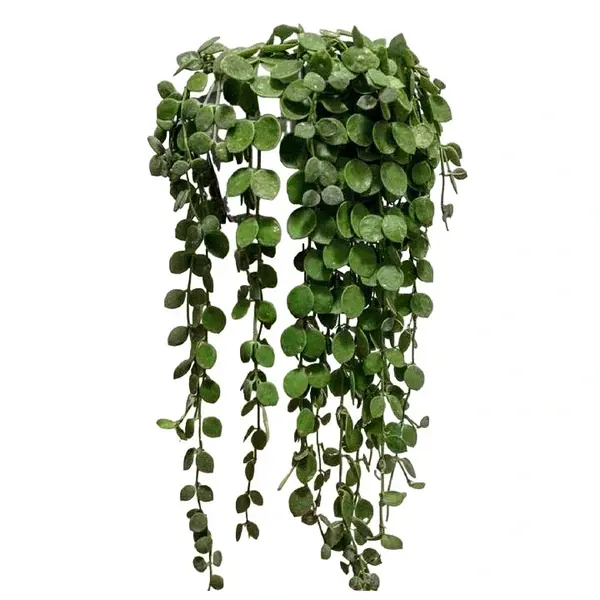

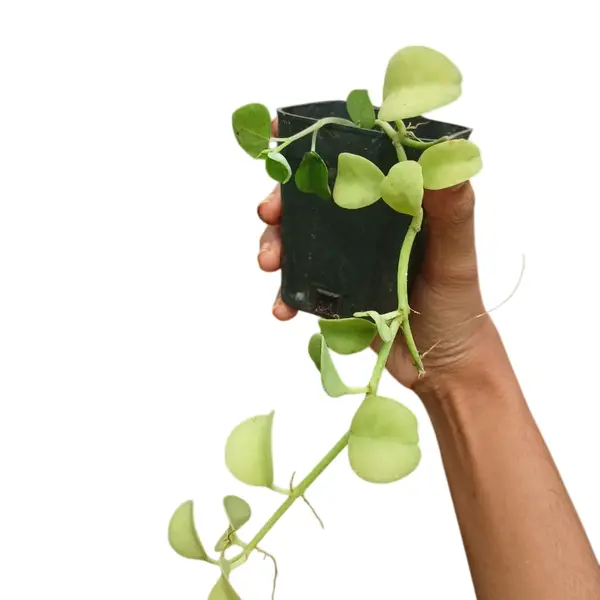
Dischidia Imbricata (Kidney plant)
Original price was: ₹695.00.₹349.00Current price is: ₹349.00.
7 in stock
Plant Size: Single plant | 2.5″ Pot Included | Secure Packing
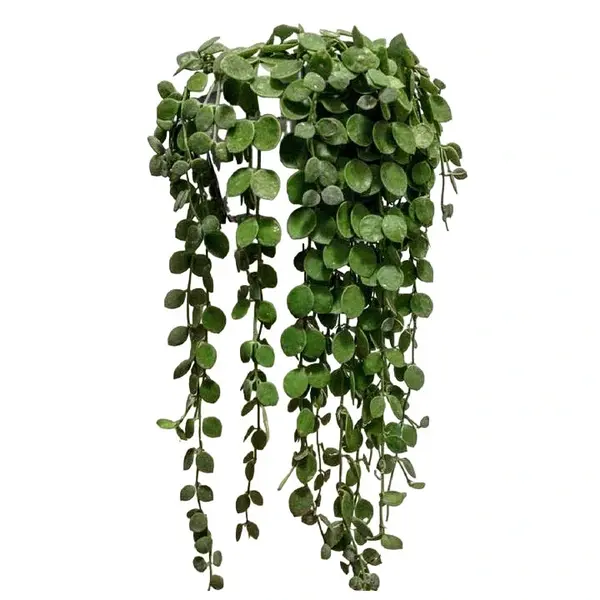
The Dischidia Imbricata, often called the Kidney Plant or Shingle Vine, is a charming, somewhat unusual epiphytic plant (it naturally grows on trees). It’s known for its small, round, overlapping, or “shingling” leaves that grow flat against a support surface.

Here is a care guide for the Dischidia Imbricata (Kidney plant) :
1. Light
- Bright, Indirect Light is Ideal: It thrives in a location with plenty of bright, filtered light, mimicking its natural habitat under a tree canopy.
- Avoid Harsh Direct Sun: While some morning or late afternoon sun is generally okay, strong midday direct sunlight can scorch or bleach the leaves.
- Low Light: Too little light will slow down growth and can lead to overwatering issues.
2. Watering
- Let It Dry Out: As an epiphyte with somewhat fleshy leaves, the Dischidia stores water and is sensitive to overwatering. Allow the top half to two-thirds of the potting medium to dry out between waterings.
- Watering Method: When watering, drench the medium thoroughly until water runs out of the drainage holes.
- Mounted Plants: If your plant is mounted on cork or wood with sphagnum moss, you’ll need to water more frequently, often by soaking the entire mount in water for about 15-30 minutes and then allowing it to drain fully. Let the moss become almost dry before soaking again.
- Reduce in Winter: Decrease watering frequency in the cooler, darker winter months.
3. Soil / Growing Medium
- Epiphytic Mix: Avoid heavy, dense potting soil. Since it grows on tree bark in nature, it requires an extremely airy, well-draining, and porous medium.
- Recommended Mixes:
- Orchid Bark Mix
- Sphagnum Moss (especially for mounting)
- A chunky mix of coconut husk chips, perlite, and a little potting mix.
- Support: Since it is a “shingling” or climbing vine, it appreciates something to climb on, like a plank of wood, a moss pole, or a terracotta pot.
4. Humidity and Temperature
- High Humidity: Dischidia imbricata prefers high humidity, ideally in the 50-80% range, which helps its aerial roots establish and keeps the leaves looking fresh.
- Use a humidifier, place it in a naturally humid room (like a bathroom), or group it with other plants.
- Warm Temperatures: Keep the plant in warm conditions, typically between 65°F and 85°F (18°C to 29°C).
- Avoid Drafts: Keep it away from cold windows, air conditioning vents, and sudden temperature drops.
5. Fertilizing
- Light Feeder: It doesn’t need a lot of fertilizer.
- Frequency: Feed once a month during the active growing season (spring and summer).
- Type: Use a balanced liquid houseplant fertilizer diluted to half or quarter strength.
6. Repotting and Pruning
- Repotting: Repotting is generally infrequent (every 2-3 years) as they don’t have extensive root systems. Only increase the pot size slightly.
- Pruning: You can trim the vines to maintain shape or to encourage bushier growth. Use the cuttings for propagation.

Pro-Tip: Encourage Shingling
If you want the leaves to grow flat against a surface (shingling), you must provide that surface (like a piece of cork or wood) and gently secure the new growth points to it. The plant will naturally grow aerial roots to adhere to the support.
Only logged in customers who have purchased this product may leave a review.
Related products
-
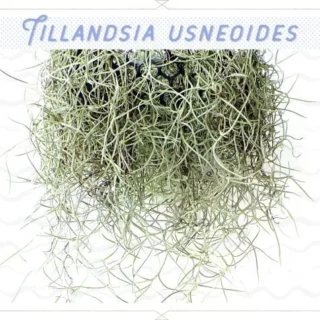
Spanish Moss Air Plant
Price range: ₹49.00 through ₹525.00Select options This product has multiple variants. The options may be chosen on the product pageSelling size: PLEASE CHOOSE Spanish Moss Air Plant – CARE INSTRUCTIONS Scientific name: Tillandsia usneoides Synonyms: Old man’s beard, Spanish Moss, French Hair, Spanish Beard Spanish Moss is a delicate silvery-grey air plant that is often used to hang in trees or as a gorgeous decor piece without the need for soil. Despite its name, Spanish Moss …
-
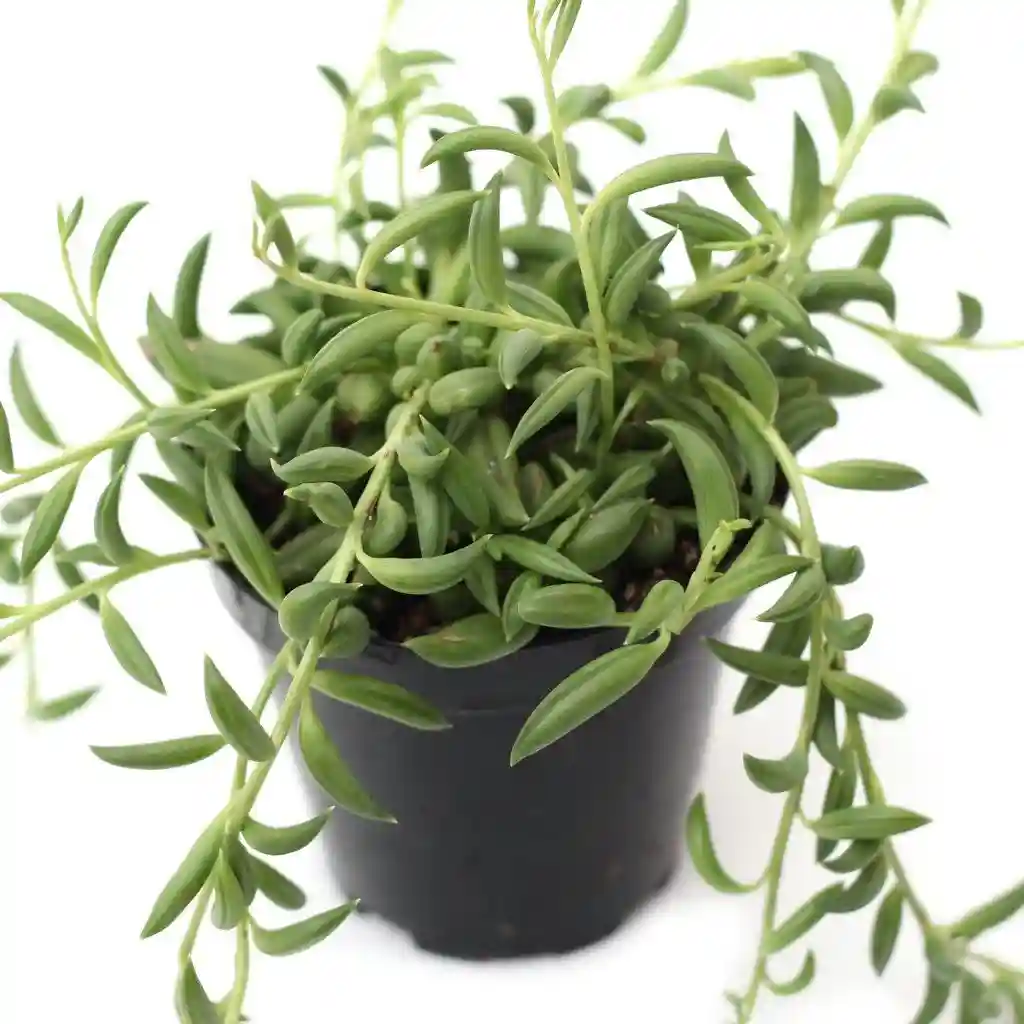
String of Bananas
Original price was: ₹450.00.₹249.00Current price is: ₹249.00.Add to cartSelling size: Mentioned in last Picture | Secure Packing The String of Bananas (Curio radicans or Senecio radicans) is a charming trailing succulent known for its long, cascading stems covered in plump, banana-shaped leaves. It’s a popular choice for hanging baskets and is generally easy to care for, especially for those who are new …
-
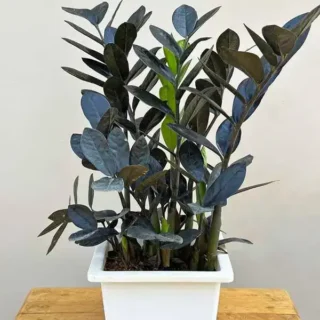
Black zz plant, Raven ZZ Plant
Select options This product has multiple variants. The options may be chosen on the product pageSelling size: Please Choose (Single – Bushy) | 2.5″-5” Pot Included | Secure Packing The Black ZZ Plant, or Raven ZZ Plant (Zamioculcas zamiifolia ‘Raven’), is a popular, exceptionally resilient houseplant known for its striking, nearly black foliage. It shares the easy-care nature of the standard green ZZ plant, making it perfect for beginners or …
-
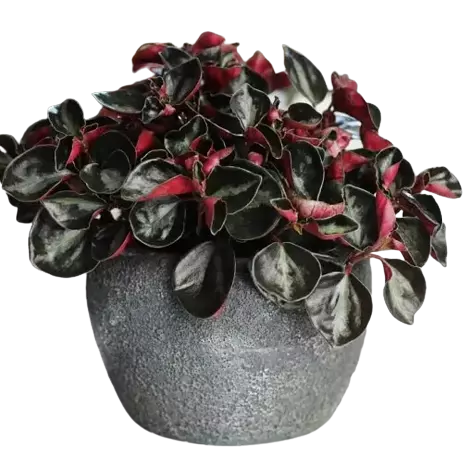
Columbian Peperomia (Galaxy pepperomia)
Original price was: ₹345.00.₹183.65Current price is: ₹183.65.Add to cartSelling size:Well rooted plant in a jiffy bag The Columbian Peperomia (Peperomia metallica var. columbiana) is a visually striking and relatively low-maintenance houseplant. It is also sometimes sold as “Galaxy Peperomia,” a name that hints at its unique foliage. This plant is known for its beautiful, semi-succulent leaves that have a dark green or bronze-purple …
-
Golden Sedum Plant
Original price was: ₹549.00.₹349.00Current price is: ₹349.00.Add to cartSelling size: Well rooted plan | 2.5″ pot included The Golden Sedum (Sedum adolphii) is a popular succulent known for its bright, fleshy, evergreen leaves that can take on a beautiful golden-yellow or even reddish-pink tint in bright sun. It has a trailing or spreading growth habit, making it a great choice for hanging baskets, …
-
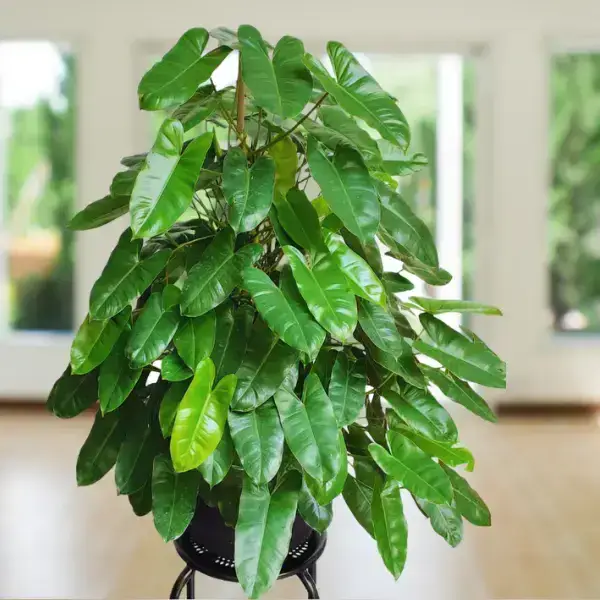
Philodendron Burle Marx Plant
Original price was: ₹485.00.₹149.00Current price is: ₹149.00.Add to cartSelling size: Single plant | Pot Included | Secure Packing The Philodendron Burle Marx is a fantastic and relatively easy-to-care-for plant, known for its glossy, spade-shaped leaves and dense, clumping growth. It’s often recommended as a great choice for beginner houseplant owners. Here is a comprehensive care guide for your Philodendron Burle Marx: Light …
-
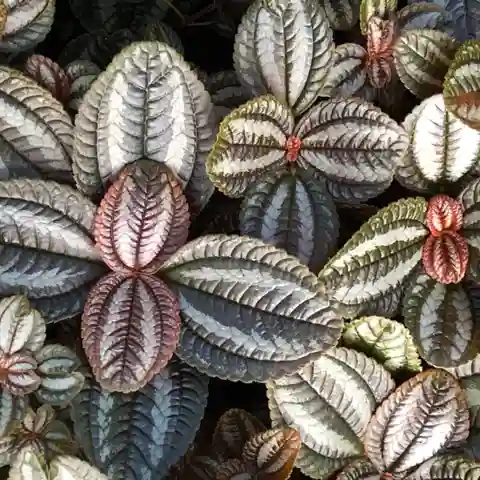
Pilea involucrata ‘Norfolk’ – Friendship Plant
Original price was: ₹450.00.₹199.00Current price is: ₹199.00.Add to cartSize: Single Plant | 2.5″ Pot Included | Free Shipping The Pilea involucrata ‘Norfolk’, commonly known as the Friendship Plant, is a delightful houseplant celebrated for its unique, velvety, quilted foliage. The leaves have a rich texture and a beautiful color palette, with deep green and bronze tones on the upper surface and a reddish-purple …
-
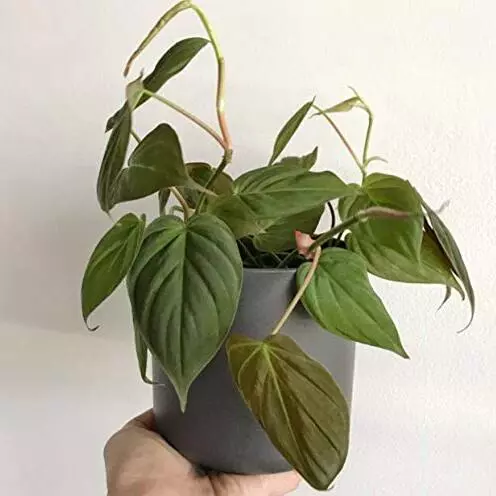
Philodendron Mican plant
Original price was: ₹650.00.₹99.00Current price is: ₹99.00.Add to cartSelling size: A well rooted plant | 2.5″ Pot Included The Philodendron Micans (Philodendron hederaceum ‘Micans’), also known as the Velvet-Leaf Philodendron, is a popular, easy-care trailing or climbing houseplant prized for its unique, velvety, heart-shaped leaves that emerge a beautiful chartreuse/pink and mature to a deep, iridescent, bronze-green with hints of purple. Here is …

 If you need any assistance, I'm always here. Have you found what you were looking for?
Reviews
There are no reviews yet.