
Piper Porphyrophyllum – Rare
Original price was: ₹1,999.00.₹1,199.00Current price is: ₹1,199.00.
2 in stock
Size: Single Plant | 2.5″ Pot included | Free Shipping
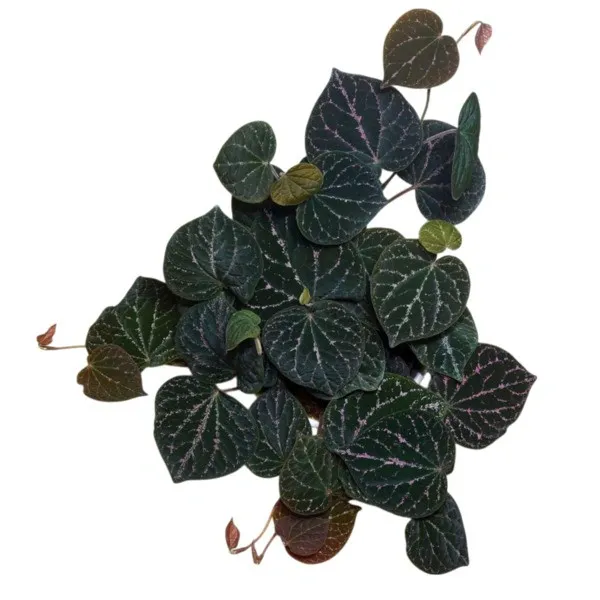
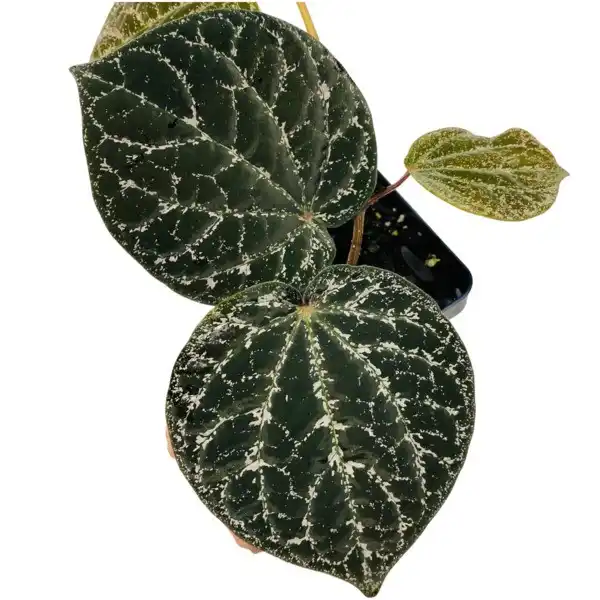
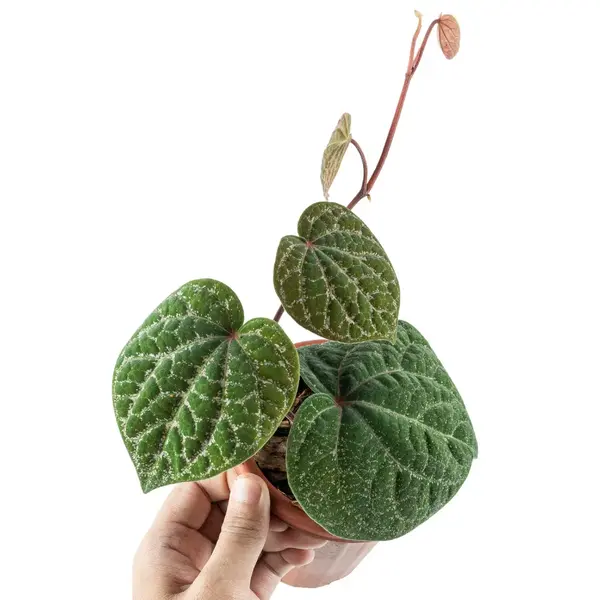
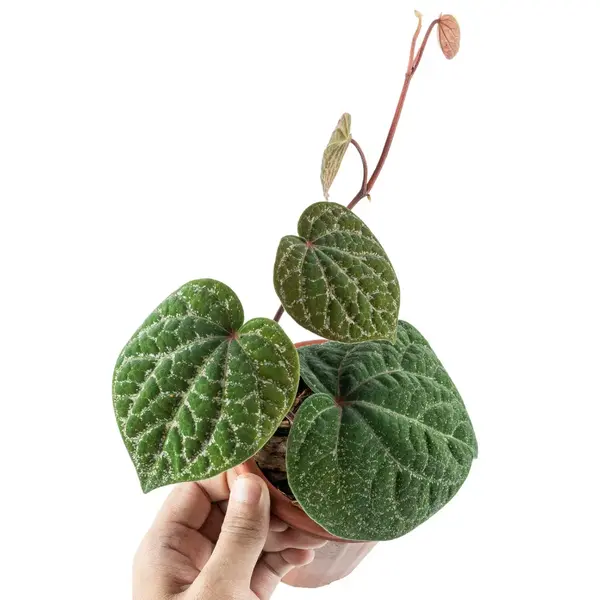
Piper porphyrophyllum, also known as Tiger’s Betel, is a stunning tropical vine cherished for its dark, velvety leaves with intricate pink and white patterns. Native to the rainforests of Southeast Asia, it requires specific conditions to thrive, making it a plant often favored by more experienced plant enthusiasts or those who can provide a terrarium environment.
Here’s a comprehensive care guide for Piper porphyrophyllum:
1. Light:
- Bright, indirect light is crucial. Mimic its natural understory habitat by placing it near a window with filtered light (e.g., sheer curtains) or in a bright room where it doesn’t receive direct, harsh sun.
- Too much direct sunlight can scorch its delicate leaves, while too little light can lead to leggy growth and less vibrant variegation.
- If grown in a terrarium, ensure the lighting inside is adequate but diffused.
2. Watering:
- Keep the soil consistently moist, but never waterlogged. Piper porphyrophyllum prefers consistent moisture and high humidity, but soggy soil can quickly lead to root rot.
- Water when the top inch or so of the soil feels slightly dry to the touch.
- Ensure good drainage in the pot to prevent water from sitting around the roots.
- Reduce watering slightly during the cooler, darker months of winter when the plant’s growth slows.
- If your plant is dropping leaves or wilting, check the soil moisture. Drooping petioles can indicate a lack of water, while yellowing and wilting leaves can be a sign of overwatering.
3. Humidity:
- High humidity is essential. This plant thrives in environments with 70% humidity or higher, mimicking its rainforest origin.
- Dry air is a common cause of browning or curling leaves.
- To increase humidity:
- Use a humidifier near the plant.
- Place the pot on a pebble tray filled with water (ensure the pot isn’t sitting directly in the water).
- Mist the leaves regularly, especially in dry indoor environments (though this offers only temporary humidity).
- The best way to provide consistent high humidity is to grow it in a terrarium or enclosed plant cabinet. Many sources recommend a terrarium for this particular species to ensure its long-term health.
4. Temperature:
- Warm and consistent temperatures are preferred. Aim for a temperature range of 18-26°C (65-80°F).
- Protect the plant from cold drafts and sudden temperature fluctuations, as these can stress the plant and lead to leaf drop.
5. Soil:
- Use a well-draining, airy potting mix that retains some moisture. An aroid mix or a blend specifically designed for tropical plants is usually suitable.
- A good mix might include:
- Potting soil (peat-based is often recommended)
- Perlite or pumice for drainage
- Orchid bark or coco chips for aeration
- Some sources suggest a loose mix of coconut fiber and sphagnum moss.
- Avoid dense, heavy soils that can become waterlogged.
6. Fertilization:
- Piper plants are not typically heavy feeders.
- During the growing season (spring and summer), you can fertilize with a balanced liquid fertilizer, diluted to half strength, once a month.
- Reduce or stop fertilizing during fall and winter.
7. Support:
- Piper porphyrophyllum is a vining plant and appreciates a structure to climb on. Provide a small trellis, moss pole, or stake to encourage vertical growth and display its beautiful foliage.
8. Pruning:
- Prune regularly to maintain an attractive shape and encourage bushier growth.
- Trim any leggy or overgrown branches, especially during the spring or summer.
- Remove any yellow or damaged leaves to promote new growth and overall plant health.
9. Repotting:
- Repot every 2-3 years, or when the plant becomes root-bound.
- Choose a pot that is one size larger than the current one.
- Repotting is best done during the spring.
10. Pests and Problems:
- Pests: Keep an eye out for common houseplant pests like spider mites, mealybugs, and fungus gnats. Inspect the leaves regularly. If detected, treat immediately with insecticidal soap or neem oil solution.
- Browning or curling leaves: Most often a sign of low humidity.
- Yellowing leaves: Can indicate overwatering or, less commonly, nutrient deficiency.
- Stunted growth: May be due to insufficient light.
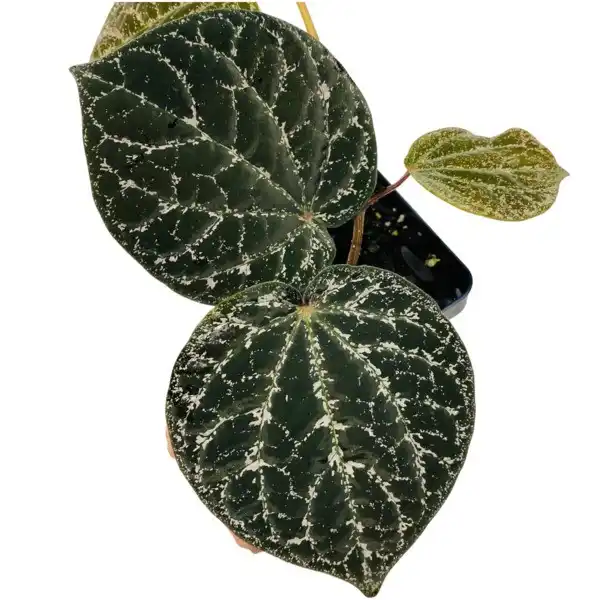
By providing consistent care and mimicking its natural tropical habitat, especially regarding humidity, you can enjoy the unique beauty of Piper porphyrophyllum.
| Color | |
|---|---|
| Colour | |
| Price | |
| Type |
Only logged in customers who have purchased this product may leave a review.
Related products
-
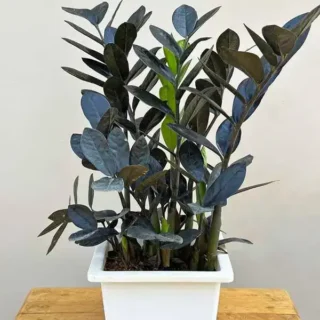
Black zz plant, Raven ZZ Plant
Select options This product has multiple variants. The options may be chosen on the product pageSelling size: Please Choose (Single – Bushy) | 2.5″-5” Pot Included | Secure Packing The Black ZZ Plant, or Raven ZZ Plant (Zamioculcas zamiifolia ‘Raven’), is a popular, exceptionally resilient houseplant known for its striking, nearly black foliage. It shares the easy-care nature of the standard green ZZ plant, making it perfect for beginners or …
-
String of Bananas
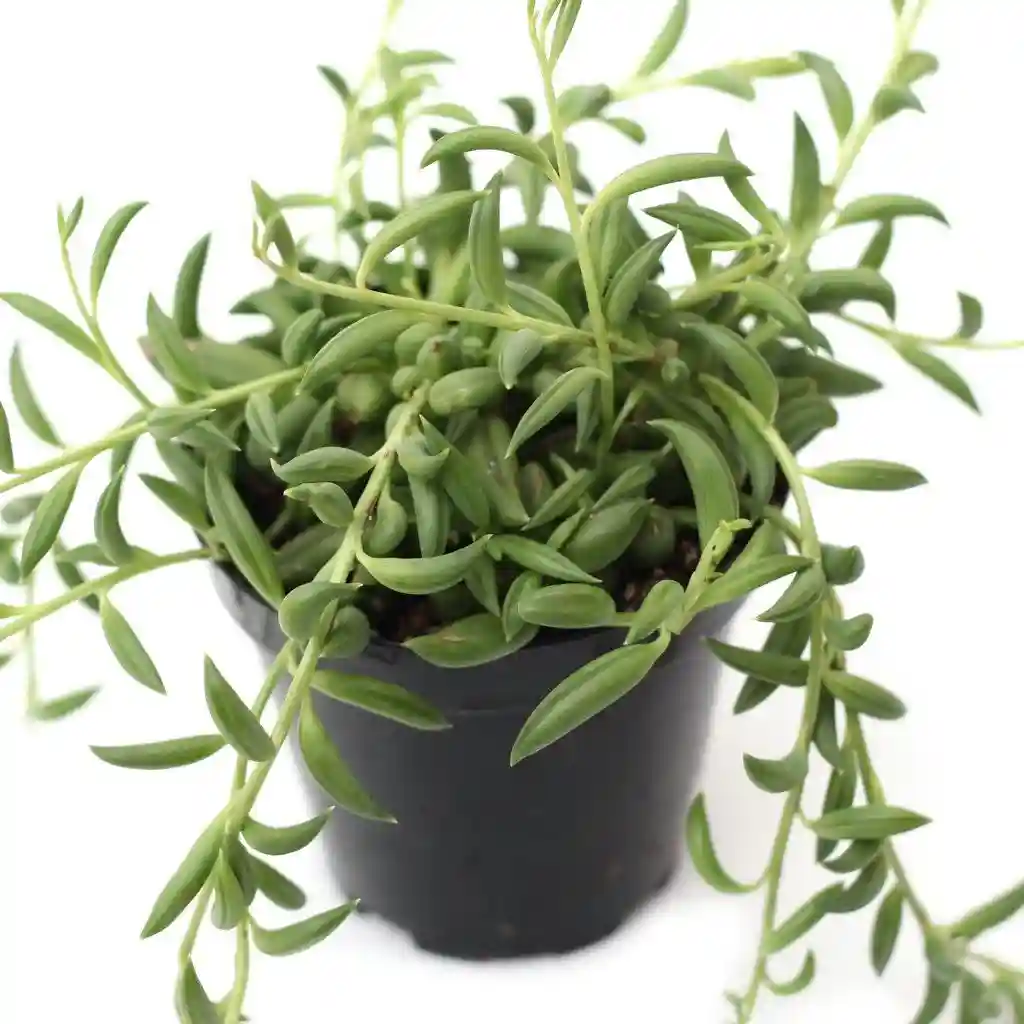
Original price was: ₹450.00.₹249.00Current price is: ₹249.00.Add to cartSelling size: Mentioned in last Picture | Secure Packing The String of Bananas (Curio radicans or Senecio radicans) is a charming trailing succulent known for its long, cascading stems covered in plump, banana-shaped leaves. It’s a popular choice for hanging baskets and is generally easy to care for, especially for those who are new …
-
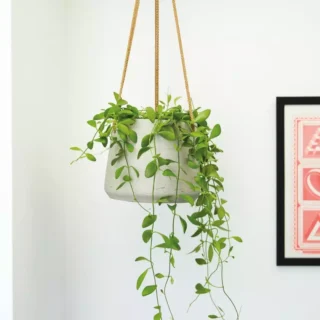
String Of Nickels (Dischidia nummularia)
Select options This product has multiple variants. The options may be chosen on the product pageSelling size: Well rooted plant in a Jiffy bag The Dischidia nummularia, commonly known as the String of Nickels or Button Orchid, is a delightful and easy-to-care-for trailing epiphyte. Its common name comes from its small, round, coin-shaped leaves that densely cover its long, slender stems. As a relative of the Hoya, it shares a …
-
Spanish Moss Air Plant
Price range: ₹49.00 through ₹525.00Select options This product has multiple variants. The options may be chosen on the product pageSelling size: PLEASE CHOOSE Spanish Moss Air Plant – CARE INSTRUCTIONS Scientific name: Tillandsia usneoides Synonyms: Old man’s beard, Spanish Moss, French Hair, Spanish Beard Spanish Moss is a delicate silvery-grey air plant that is often used to hang in trees or as a gorgeous decor piece without the need for soil. Despite its name, Spanish Moss …
-
Philodendron Burle Marx Plant
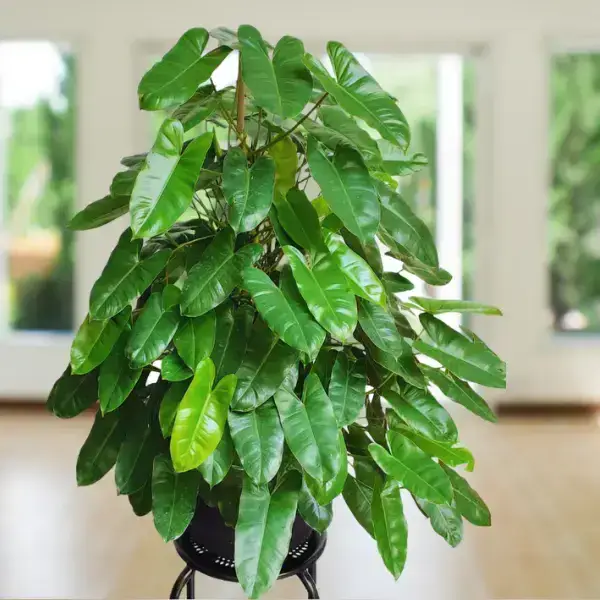
Original price was: ₹485.00.₹149.00Current price is: ₹149.00.Add to cartSelling size: Single plant | Pot Included | Secure Packing The Philodendron Burle Marx is a fantastic and relatively easy-to-care-for plant, known for its glossy, spade-shaped leaves and dense, clumping growth. It’s often recommended as a great choice for beginner houseplant owners. Here is a comprehensive care guide for your Philodendron Burle Marx: Light …
-
Golden Pothos
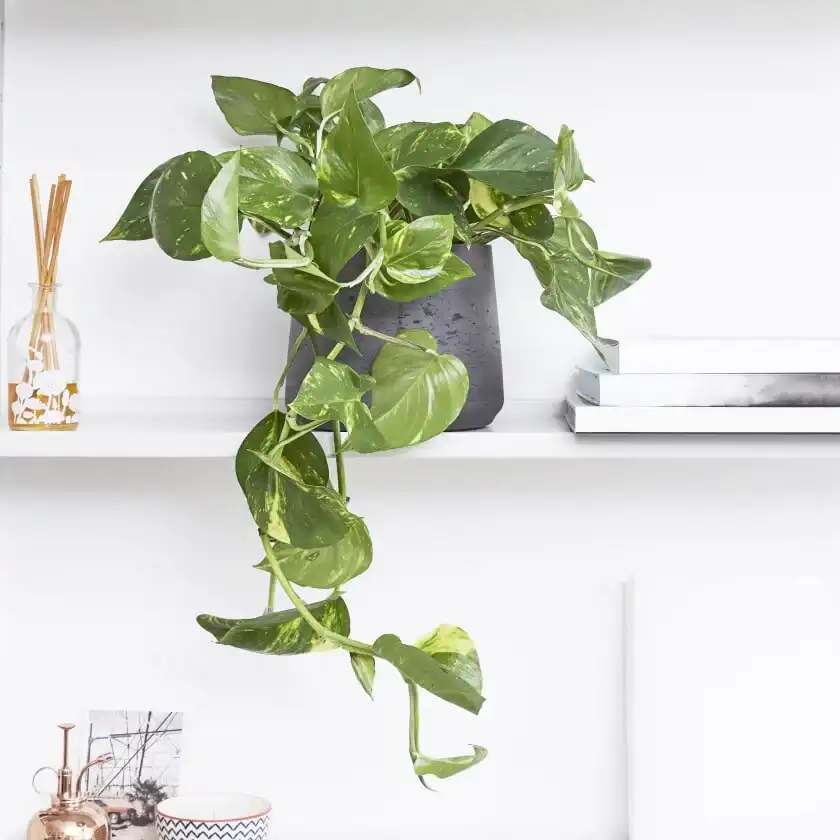
Original price was: ₹355.00.₹99.00Current price is: ₹99.00.Add to cartSelling size : Well rooted plant | 2.5″ pot included The Golden Pothos (Epipremnum aureum), also known as Devil’s Ivy, is one of the most popular and easiest houseplants to care for, making it an excellent choice for beginners. It’s a vining plant with heart-shaped leaves that are a vibrant green, often with splashes or …
-
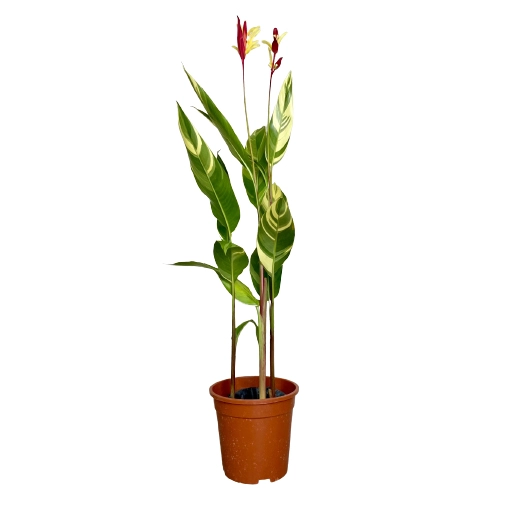
Heliconia Variegated – Super Rare
Original price was: ₹2,599.00.₹1,099.00Current price is: ₹1,099.00.Add to cartPlant size: Single plant | Pot Included | Free shipping The Variegated Heliconia (often a cultivar of Heliconia psittacorum, like ‘Lady Di’ or ‘Golden Torch’) is a striking tropical plant known for its banana-like leaves splashed with stripes of cream, yellow, or white. It is a demanding plant, requiring specific tropical conditions to thrive, especially …
-
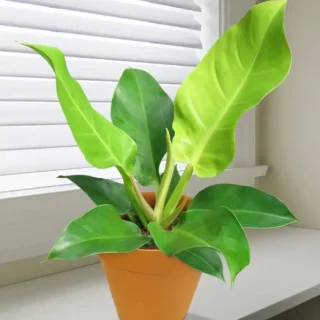
Philodendron Moonshine
Original price was: ₹1,250.00.₹249.00Current price is: ₹249.00.Add to cartSelling size: Single plant | Pot included | Secure Packing The Philodendron Moonshine (often also called ‘Moonlight’) is a popular hybrid known for its vibrant, almost glowing, chartreuse-colored leaves. It has an upright, self-heading growth habit, so unlike many vining philodendrons, it doesn’t need a trellis or pole. Here is a comprehensive guide to caring …
 If you need any assistance, I'm always here. Have you found what you were looking for?
Reviews
There are no reviews yet.