
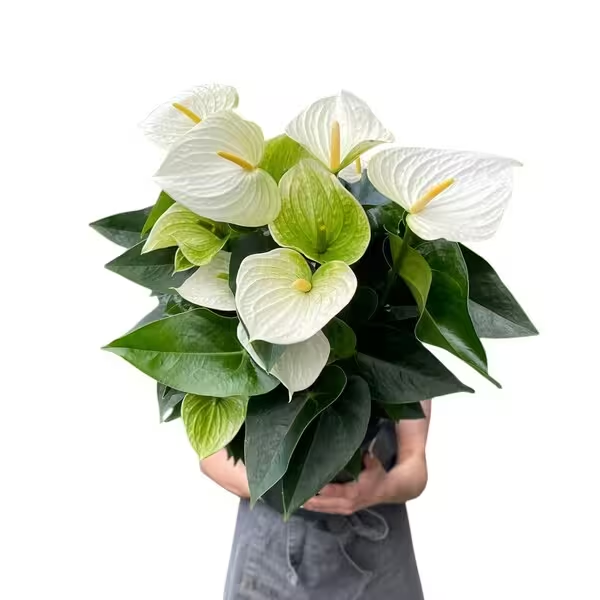
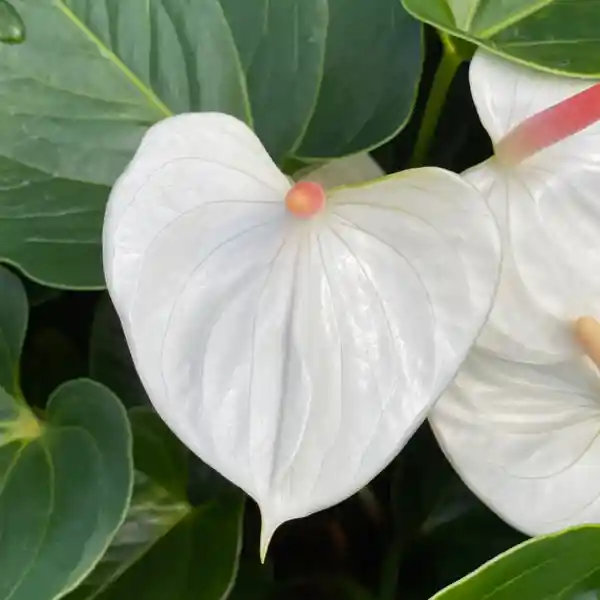
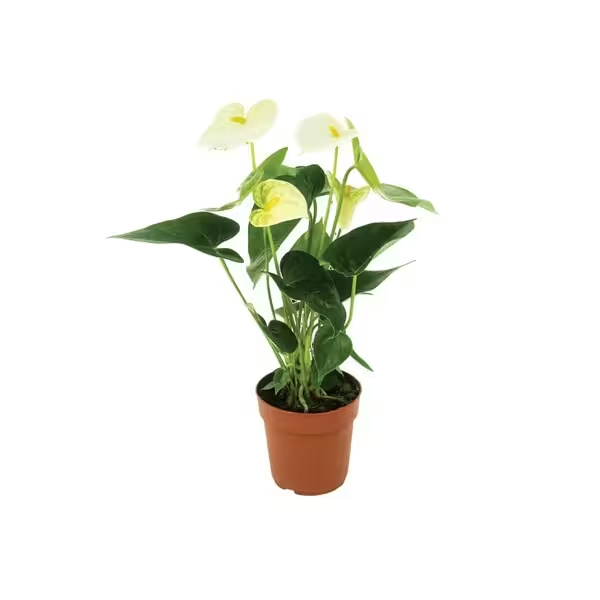
White Anthurium Plant
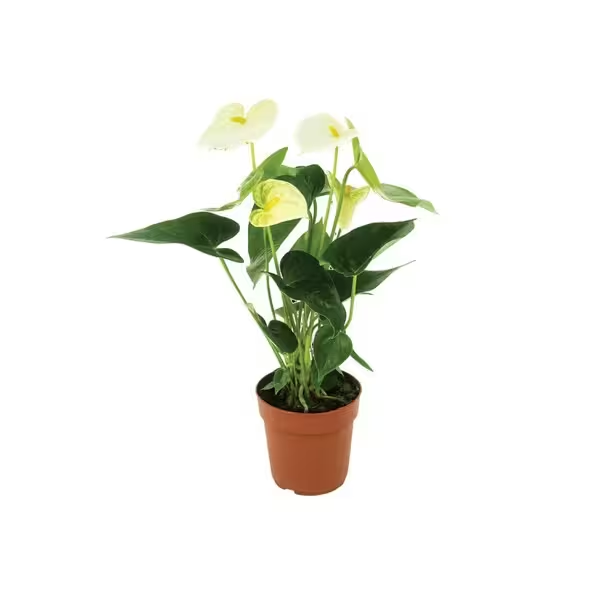
| Size |
|---|
Only logged in customers who have purchased this product may leave a review.
You may also like…
-
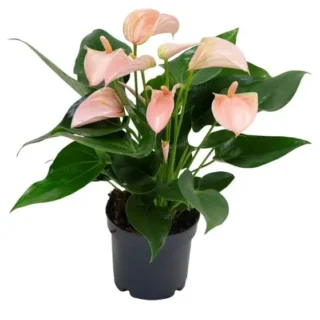
Peach Anthurium Plant
Select options This product has multiple variants. The options may be chosen on the product pageSelling Size : Please Choose | Pot Included | Secure Packing Anthuriums, often called “Flamingo Flowers” or “Laceleaf plants,” are popular houseplants known for their vibrant, waxy, heart-shaped “flowers” (which are actually modified leaves called spathes) and glossy foliage. Native to tropical rainforests, they thrive when their indoor environment mimics these conditions. Here’s a detailed …
-
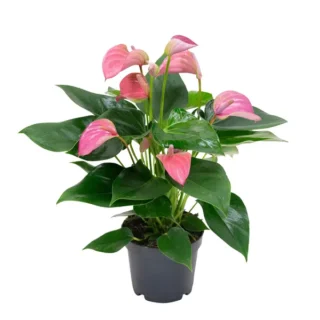
Pink Anthurium Plants
Select options This product has multiple variants. The options may be chosen on the product pageSelling Size: Please Choose | 2.5″ Pot Included Anthuriums, often called “Flamingo Flowers” or “Laceleaf plants,” are popular houseplants known for their vibrant, waxy, heart-shaped “flowers” and glossy foliage. Native to tropical rainforests, they thrive when their indoor environment mimics these conditions.Buy it with affordable price Here’s a detailed guide to Anthurium care: 1. Light: …
-
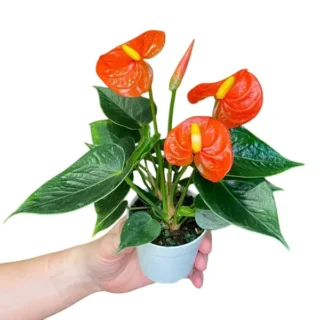
Orange Anthurium Plant
Select options This product has multiple variants. The options may be chosen on the product pageSelling Size : Please Choose | Pot Included | Secure Packing Anthuriums, often called “Flamingo Flowers” or “Laceleaf plants,” are popular houseplants known for their vibrant, waxy, heart-shaped “flowers” (which are actually modified leaves called spathes) and glossy foliage. Native to tropical rainforests, they thrive when their indoor environment mimics these conditions. Here’s a detailed …
Related products
-
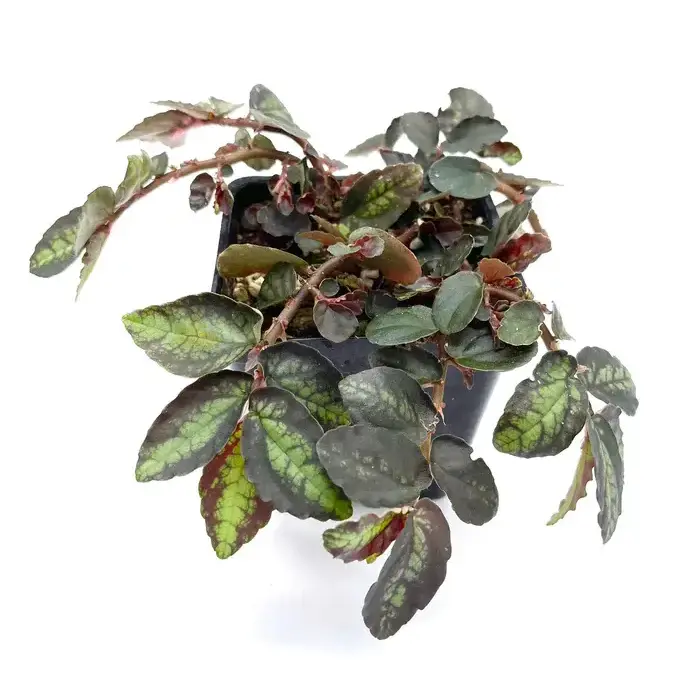
Pellionia repens var. pulchra
Original price was: ₹325.00.₹149.00Current price is: ₹149.00.Add to cartSelling size: Well rooted plant in a jiffy bag | Secure Packing The Pellionia repens var. pulchra, often called the Trailing Watermelon Begonia, is a beautiful and easy-to-care-for trailing plant. Its common name comes from the striking, patterned leaves that resemble the rind of a watermelon. Despite the name, it is not a true begonia …
-
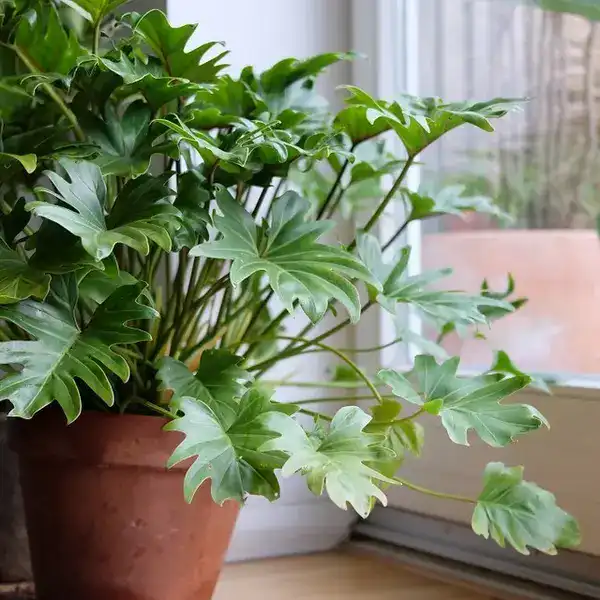
Philodendron Xanadu
Original price was: ₹450.00.₹199.00Current price is: ₹199.00.Add to cartSelling size:Well rooted plant | 2.5″ Pot Included | Secure Packing The Philodendron Xanadu, now officially classified as Thaumatophyllum xanadu, is a fantastic and relatively easy-to-care-for houseplant. It’s known for its compact, bushy growth habit and deeply lobed, glossy green leaves that give it a sophisticated, tropical look. Here is a complete guide to caring …
-
Pilea involucrata ‘Norfolk’ – Friendship Plant
Original price was: ₹450.00.₹199.00Current price is: ₹199.00.Add to cartSize: Single Plant | 2.5″ Pot Included | Free Shipping The Pilea involucrata ‘Norfolk’, commonly known as the Friendship Plant, is a delightful houseplant celebrated for its unique, velvety, quilted foliage. The leaves have a rich texture and a beautiful color palette, with deep green and bronze tones on the upper surface and a reddish-purple …
-
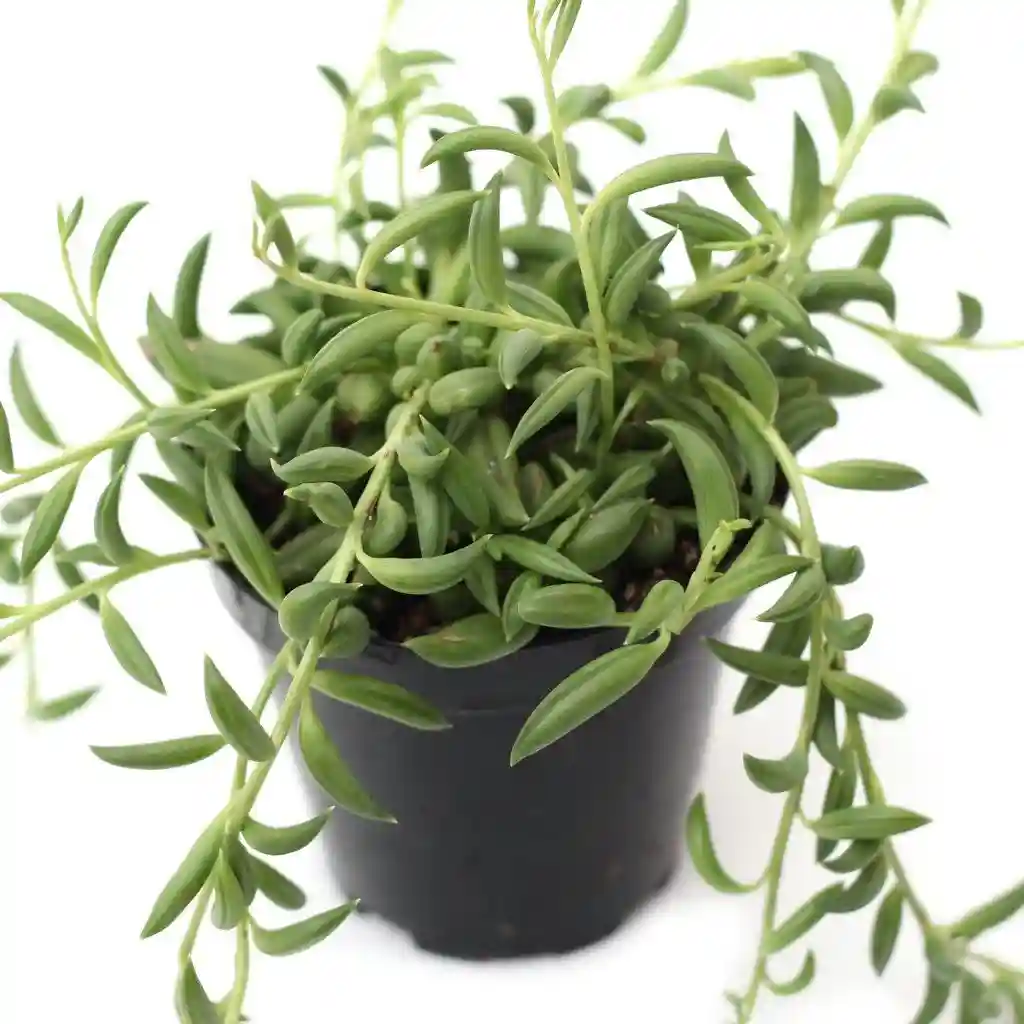
String of Bananas
Original price was: ₹450.00.₹249.00Current price is: ₹249.00.Add to cartSelling size: Mentioned in last Picture | Secure Packing The String of Bananas (Curio radicans or Senecio radicans) is a charming trailing succulent known for its long, cascading stems covered in plump, banana-shaped leaves. It’s a popular choice for hanging baskets and is generally easy to care for, especially for those who are new …
-
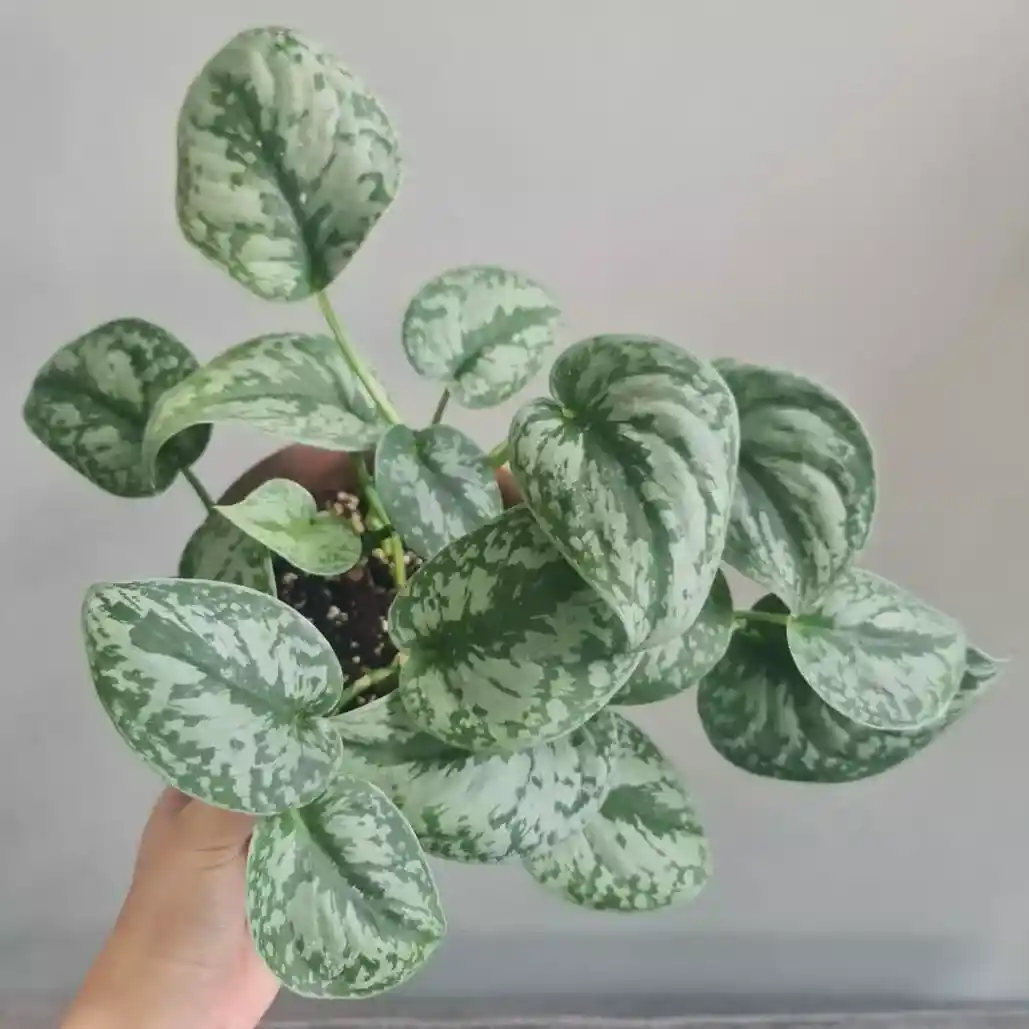
Scindapsus Pictus Exotica
Original price was: ₹380.00.₹99.00Current price is: ₹99.00.Add to cartSelling size: Single Plant | 2.5″ Pot Included The Scindapsus Pictus Exotica, also known as the silver pothos, is a houseplant with large, dark green leaves that have silver spots and mottling. Here’s a guide to caring for your Scindapsus pictus Exotica plant: Light: Prefers bright, indirect light. An east or west-facing window that’s about …
-
Spanish Moss Air Plant
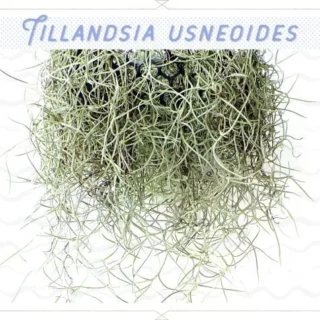
Price range: ₹49.00 through ₹525.00Select options This product has multiple variants. The options may be chosen on the product pageSelling size: PLEASE CHOOSE Spanish Moss Air Plant – CARE INSTRUCTIONS Scientific name: Tillandsia usneoides Synonyms: Old man’s beard, Spanish Moss, French Hair, Spanish Beard Spanish Moss is a delicate silvery-grey air plant that is often used to hang in trees or as a gorgeous decor piece without the need for soil. Despite its name, Spanish Moss …
-
Chlorophytum Spider Live Plant
Original price was: ₹249.00.₹99.00Current price is: ₹99.00.Add to cartSelling size: Well rooted Single plant | 2.5″ Pot included Chlorophytum Spider, also the Spider Plant is an impressive houseplant which is the perfect plant for any beginner. A NASA certified air purifier, its long, green foliage with white variegations look good in both hanging planters and as desktop setups. In favourable conditions, it blooms …
-
Dischidia Ruscifolia (Million Hearts)
Original price was: ₹695.00.₹375.00Current price is: ₹375.00.Add to cartPlant Size: Single plant | 2.5″ Pot Included | Free Shipping The Dischidia ruscifolia, commonly known as the Million Hearts plant, is a delightful and easy-to-care-for trailing epiphyte. Its name comes from the abundance of small, heart-shaped leaves that densely cover its slender stems. As a member of the same family as Hoyas, its …



 If you need any assistance, I'm always here. Have you found what you were looking for?
Reviews
There are no reviews yet.