
White Fittonia – Nerve Indoor Live Plant
Selling Size: Single Plant | 2.5″ Pot Included | secure Packing
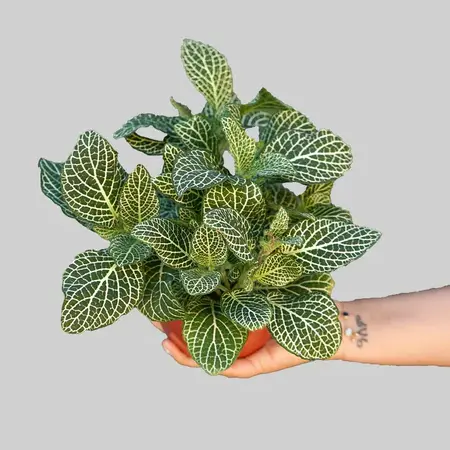
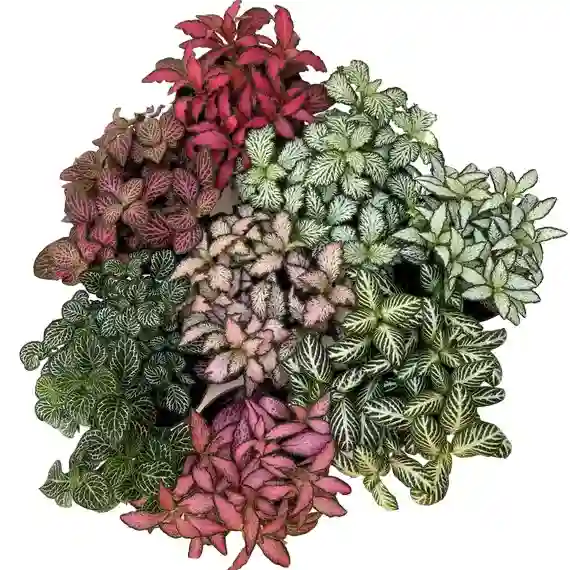
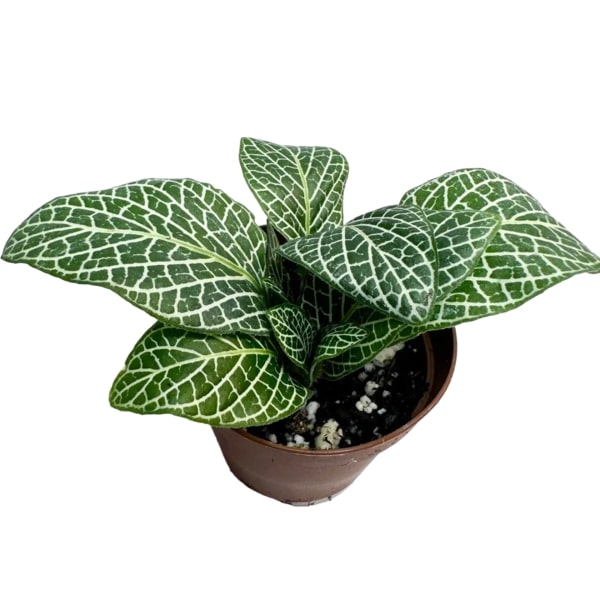
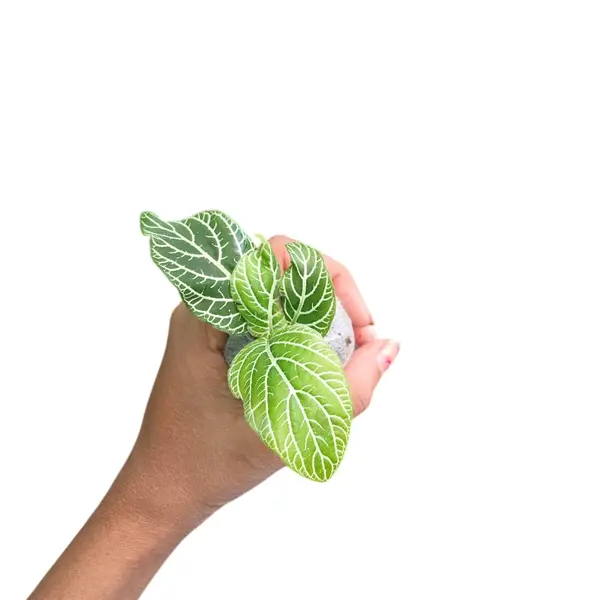
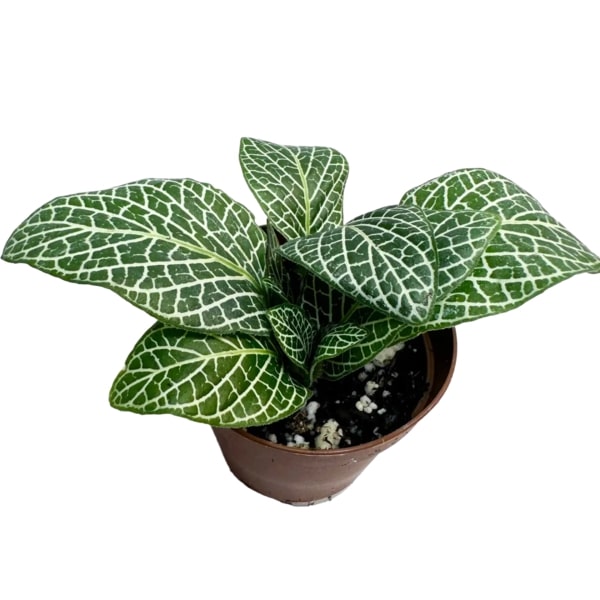
White Fittonia – Nerve Indoor Live Plant, commonly known as the White Nerve Plant, is a compact and decorative indoor plant loved for its striking white veins that contrast beautifully against fresh green leaves. Scientifically known as Fittonia albivenis, this plant is native to the tropical rainforests of South America, where it grows as a low-spreading ground cover beneath shaded forest canopies. Its attractive foliage and small size make it ideal for tabletops, shelves, terrariums, and indoor planters.
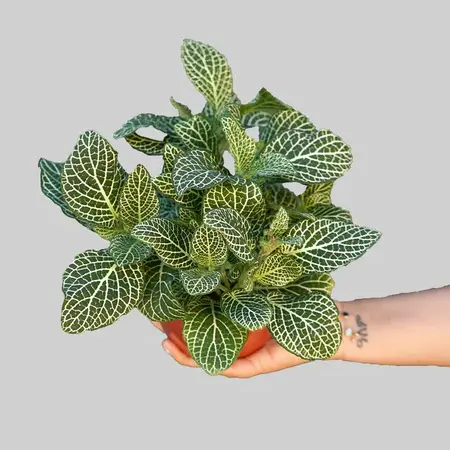
White Fittonia – Nerve Indoor Live Plant Care Guide :
Light Requirements
White Fittonia thrives in bright, indirect light. Soft, filtered light helps preserve the crisp white veining and healthy green background of the leaves. Direct sunlight should be avoided, as it can scorch the foliage and cause discoloration. Low-light conditions are tolerated, making this plant suitable for indoor corners and offices, though growth may slow slightly. For best results, place it near an east- or north-facing window or under gentle grow lights.
Watering Needs
Consistent moisture is essential for the White Fittonia. The soil should remain evenly moist but not soggy. Water the plant when the top 2–3 cm of soil feels dry to the touch. Fittonia is well known for its dramatic wilting if it dries out, but it usually recovers quickly after watering. However, repeated drying can weaken the plant. Always use a pot with drainage holes to prevent waterlogging and root rot.
Humidity & Temperature
As a tropical indoor plant, White Fittonia requires high humidity, ideally above 60%. Dry air may cause brown leaf edges, curling leaves, or slowed growth. Increase humidity by misting regularly, using a pebble tray, grouping plants together, or placing the plant in a terrarium.
Maintain temperatures between 18–27°C. Avoid cold drafts, air conditioning vents, and sudden temperature changes. Temperatures below 15°C can stress the plant and lead to leaf drop.
Soil & Potting
Use a light, well-draining, organic-rich potting mix. A blend of coco peat or peat moss, perlite, and compost or worm castings works well. The soil should retain moisture without becoming waterlogged. Fittonia has a shallow root system, so shallow pots with proper drainage are ideal. Repot every 1–2 years or when roots begin to crowd the pot.
Fertilizing
Feed the White Fittonia with a diluted balanced liquid fertilizer once every 3–4 weeks during the growing season (spring and summer). Avoid over-fertilizing, as excess nutrients can damage the roots and reduce leaf quality. Reduce feeding during autumn and stop fertilizing in winter when plant growth slows.
Pruning & Maintenance
Regular pinching of the stem tips encourages bushy, compact growth and prevents legginess. Remove yellow or damaged leaves to maintain a tidy appearance. Because of its spreading habit, White Fittonia works well as a ground cover in mixed indoor planters or shallow bowls.
Common Problems
-
Wilting: Caused by underwatering or low humidity
-
Brown leaf edges: Dry air or inconsistent watering
-
Yellow leaves: Overwatering or poor drainage
-
Fading white veins: Too much direct sunlight
Pest problems are uncommon but may include spider mites or mealybugs, particularly in dry indoor conditions.

Propagation
White Fittonia is easy to propagate through stem cuttings. Cut a healthy stem just below a node and place it in water or moist soil. Roots usually develop within 2–3 weeks.
Conclusion
White Fittonia is a beautiful, low-growing indoor plant that adds elegance and freshness to any interior space. With bright indirect light, consistent moisture, high humidity, and warm temperatures, this Nerve Indoor Live Plant remains healthy, vibrant, and visually striking throughout the year—perfect for homes, offices, and terrariums alike. 🌿
Only logged in customers who have purchased this product may leave a review.
Related products
-
String of Bananas
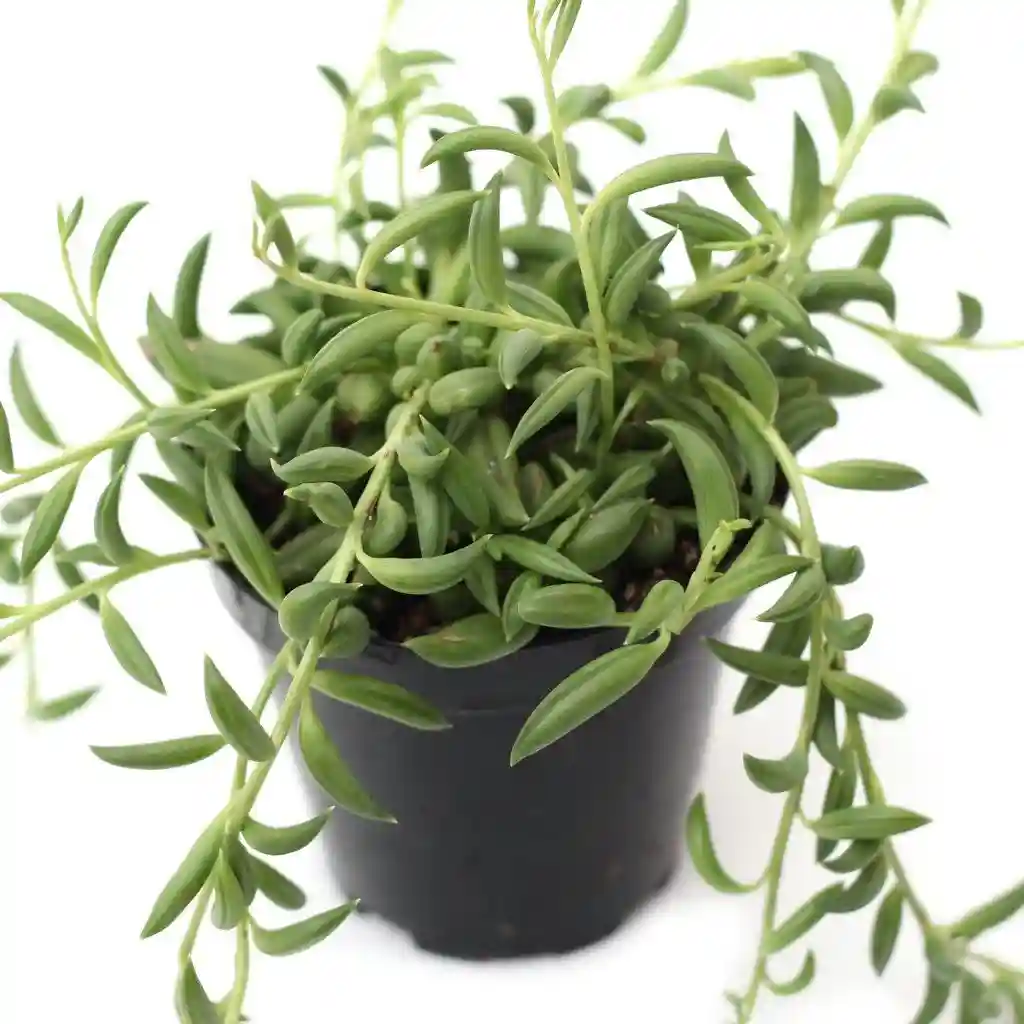
Original price was: ₹450.00.₹249.00Current price is: ₹249.00.Add to cartSelling size: Mentioned in last Picture | Secure Packing The String of Bananas (Curio radicans or Senecio radicans) is a charming trailing succulent known for its long, cascading stems covered in plump, banana-shaped leaves. It’s a popular choice for hanging baskets and is generally easy to care for, especially for those who are new …
-
Black zz plant, Raven ZZ Plant
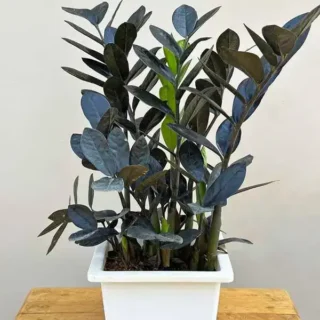
Select options This product has multiple variants. The options may be chosen on the product pageSelling size: Please Choose (Single – Bushy) | 2.5″-5” Pot Included | Secure Packing The Black ZZ Plant, or Raven ZZ Plant (Zamioculcas zamiifolia ‘Raven’), is a popular, exceptionally resilient houseplant known for its striking, nearly black foliage. It shares the easy-care nature of the standard green ZZ plant, making it perfect for beginners or …
-
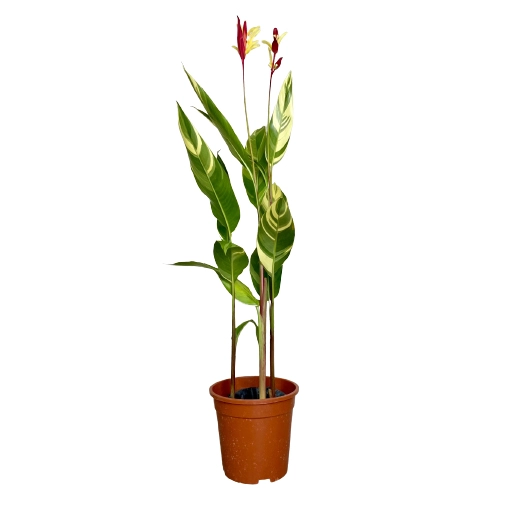
Heliconia Variegated – Super Rare
Original price was: ₹2,599.00.₹1,099.00Current price is: ₹1,099.00.Add to cartPlant size: Single plant | Pot Included | Free shipping The Variegated Heliconia (often a cultivar of Heliconia psittacorum, like ‘Lady Di’ or ‘Golden Torch’) is a striking tropical plant known for its banana-like leaves splashed with stripes of cream, yellow, or white. It is a demanding plant, requiring specific tropical conditions to thrive, especially …
-
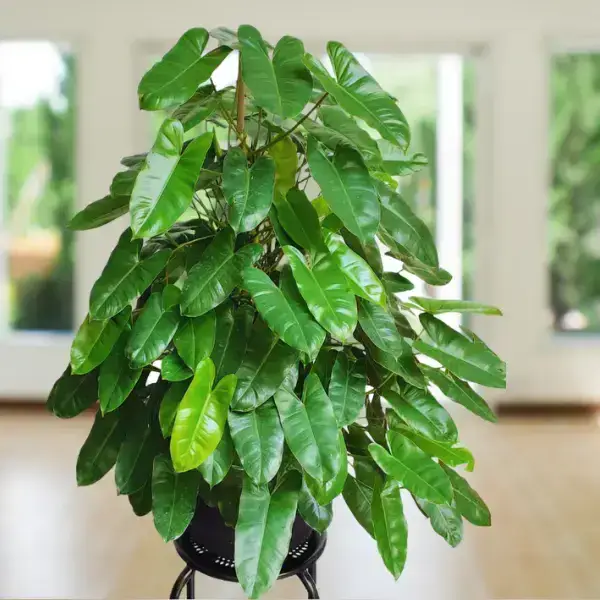
Philodendron Burle Marx Plant
Original price was: ₹485.00.₹149.00Current price is: ₹149.00.Add to cartSelling size: Single plant | Pot Included | Secure Packing The Philodendron Burle Marx is a fantastic and relatively easy-to-care-for plant, known for its glossy, spade-shaped leaves and dense, clumping growth. It’s often recommended as a great choice for beginner houseplant owners. Here is a comprehensive care guide for your Philodendron Burle Marx: Light …
-
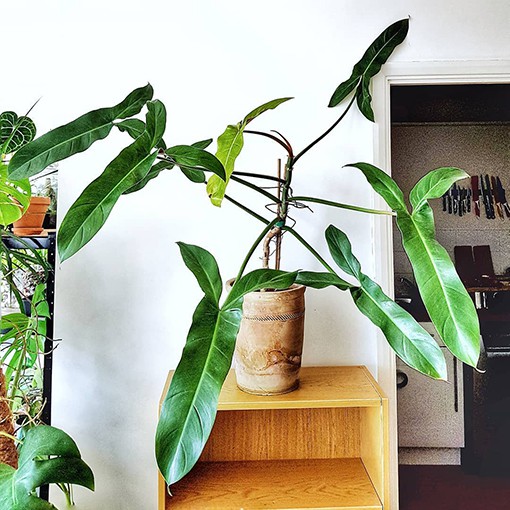
Philodendron Mexicanum
Original price was: ₹1,090.00.₹749.00Current price is: ₹749.00.Add to cartSelling size: Single Plant | Pot included The Philodendron mexicanum is a beautiful vining plant known for its long, arrow-shaped leaves with a striking deep maroon or reddish underside. As its name suggests, it is native to the tropical forests of Mexico. It’s a relatively easy-to-care-for plant, especially for those familiar with other vining philodendrons. …
-
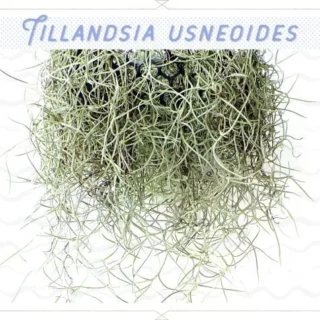
Spanish Moss Air Plant
Price range: ₹49.00 through ₹525.00Select options This product has multiple variants. The options may be chosen on the product pageSelling size: PLEASE CHOOSE Spanish Moss Air Plant – CARE INSTRUCTIONS Scientific name: Tillandsia usneoides Synonyms: Old man’s beard, Spanish Moss, French Hair, Spanish Beard Spanish Moss is a delicate silvery-grey air plant that is often used to hang in trees or as a gorgeous decor piece without the need for soil. Despite its name, Spanish Moss …
-
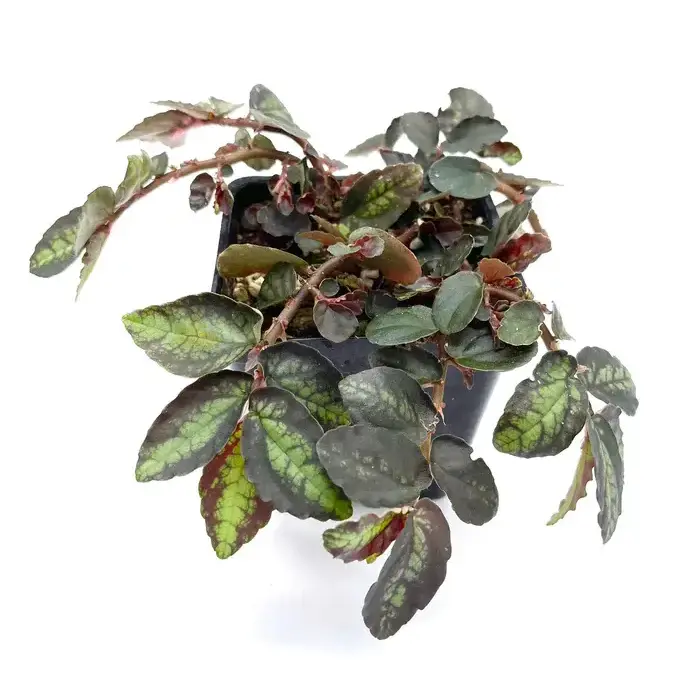
Pellionia repens var. pulchra
Original price was: ₹325.00.₹149.00Current price is: ₹149.00.Add to cartSelling size: Well rooted plant in a jiffy bag | Secure Packing The Pellionia repens var. pulchra, often called the Trailing Watermelon Begonia, is a beautiful and easy-to-care-for trailing plant. Its common name comes from the striking, patterned leaves that resemble the rind of a watermelon. Despite the name, it is not a true begonia …
-
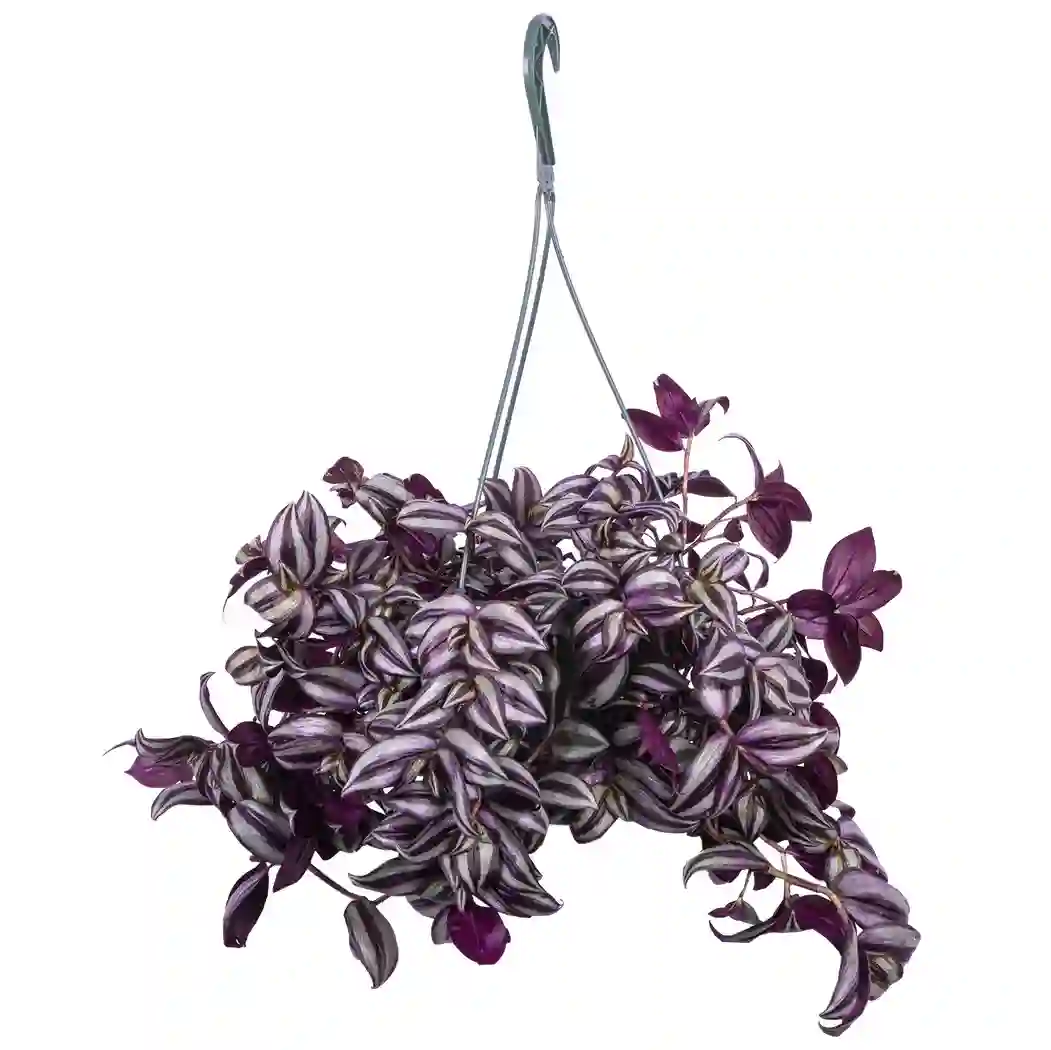
Wandering Jew Plant
Original price was: ₹305.00.₹149.00Current price is: ₹149.00.Add to cartSelling size: This plant comes in a 2.5″ Square pot The Wandering Jew Plant, also known as the Tradescantia! They’re such vibrant and easy-to-love plants. To keep yours thriving, here’s a rundown of Wandering Jew Plant care needs: Light: They absolutely love bright, indirect sunlight. Think of a spot near an east- or west-facing window …
 If you need any assistance, I'm always here. Have you found what you were looking for?
Reviews
There are no reviews yet.